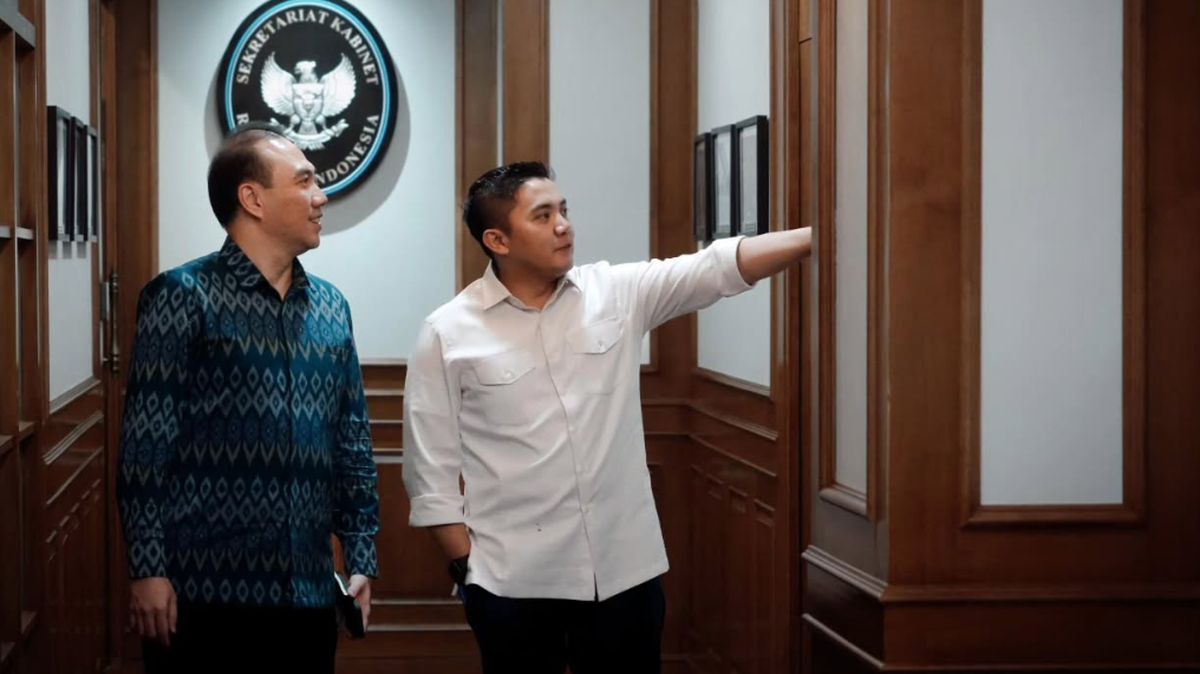
In a high-level meeting held on Friday, May 22, 2026, the Indonesian government and leadership from the technology sector convened to address the evolving economic landscape for online transportation workers. Cabinet Secretary Teddy Indra Wijaya met with Hans Patuwo, the CEO of PT GoTo Gojek Tokopedia Tbk, at the Cabinet Secretariat in Jakarta to discuss strategies for balancing the welfare of driver partners with the long-term sustainability of the digital business ecosystem.
The dialogue focused on the implementation of government policies aimed at increasing the income of driver partners, a move aligned with the broader vision of President Prabowo Subianto. As the digital economy continues to integrate into the daily lives of millions, the government is seeking a framework that ensures equitable revenue distribution between platform operators and the workforce that powers them. According to official communications from the Cabinet Secretariat, the objective is to foster a “healthy and developing” business environment while ensuring that drivers receive a greater share of total transaction value, specifically noting a target increase from 80% to 92% of total transactions.
Policy Framework and Economic Sustainability
The meeting underscored the challenges inherent in regulating gig economy platforms while maintaining market stability. President Prabowo Subianto has formalized this commitment to the workforce through Presidential Regulation Number 27 of 2026 concerning the Protection of Online Transportation Workers. This regulation serves as the primary legal instrument guiding the current discussions between the administration and industry leaders. By establishing a structured approach to income distribution, the policy aims to mitigate the volatility often associated with app-based freelance work.
For platforms like Gojek, which manages a significant network of active drivers across Indonesia, these regulatory shifts necessitate operational adjustments. The company recently announced the discontinuation of its “GoRide Hemat” subscription service, a move described by leadership as a necessary step to align with the new regulatory mandates. The coordination between the Cabinet Secretary and the private sector is intended to ensure that while driver welfare is prioritized, the platform operators remain capable of generating the sustainable profits required to maintain their infrastructure and digital services.
Impact on the Gig Economy Workforce
The scale of the online transportation sector in Indonesia is substantial, with estimates suggesting that millions of individuals have engaged with these platforms since their inception. Maintaining the balance between business sustainability and worker income is a complex task, as companies must navigate rising operational costs and shifting consumer demand. The government’s emphasis on “strong collaboration” between the state and private stakeholders is viewed as the primary mechanism to improve welfare outcomes for the driver community.

The Deputy Head of the Cabinet Secretariat emphasized that the government’s approach is not merely about mandate enforcement but about finding a “best solution” that benefits all parties involved. This includes ensuring that the app-based businesses can continue to provide reliable services to the public while simultaneously increasing the percentage of revenue that flows directly to the drivers. As the industry adapts to the requirements of the 2026 Presidential Regulation, the government and corporate entities are expected to maintain ongoing communication to monitor the impact of these changes on the broader economic ecosystem.
Looking Ahead: Future Developments
The meeting on May 22 marks a significant checkpoint in the implementation of the new regulatory framework. As the administration and industry leaders continue to refine their operational strategies, stakeholders are encouraged to monitor official government portals for further updates regarding the enforcement of the recent presidential decree. The government has signaled that it will continue to coordinate with business actors to ensure the transition to the new income distribution model proceeds without disrupting the essential services relied upon by the public.
As the situation develops, we invite our readers to share their perspectives on the evolving landscape of the gig economy in Indonesia. Whether you are a driver, a regular user of ride-hailing services, or an industry observer, your insights are valuable to the ongoing conversation about economic policy and digital labor. We will continue to track the implementation of these regulations and provide updates as further official documentation becomes available.
Worth a look