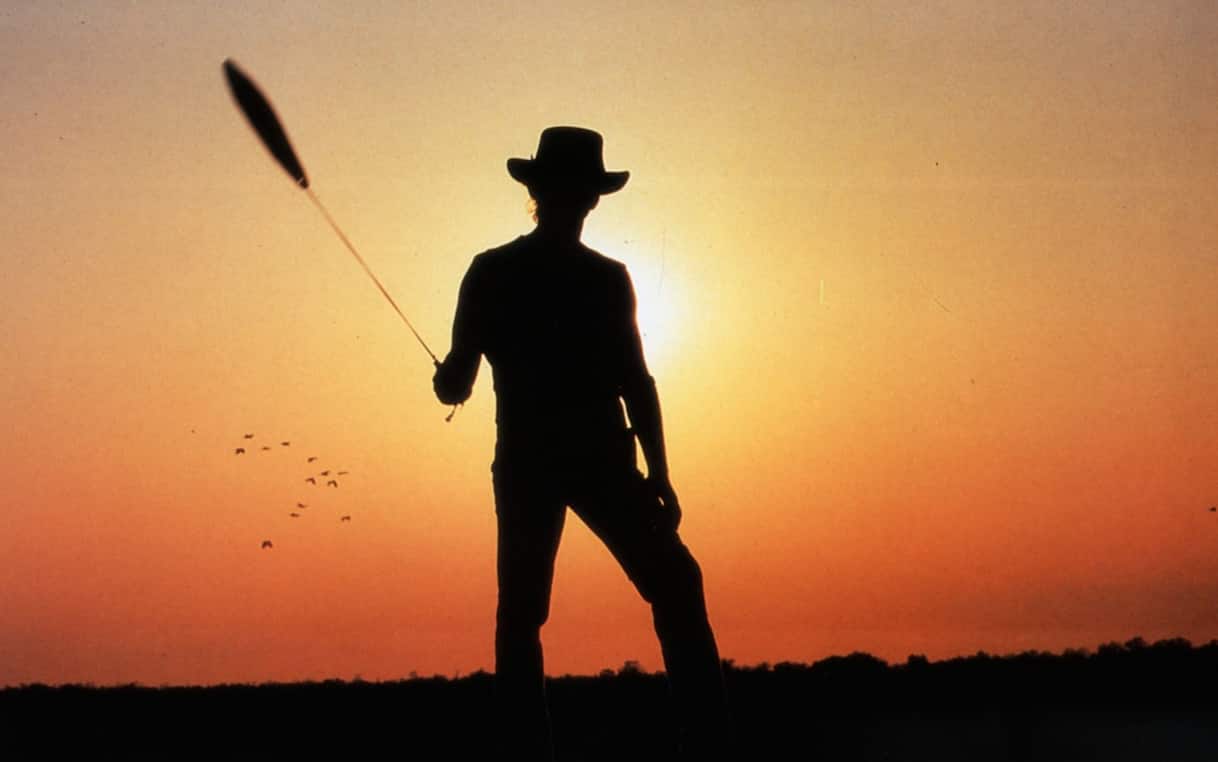
The concept of “set-jetting”—the phenomenon where travelers choose destinations based on their appearance in popular films and television programs—has become a cornerstone of modern tourism strategy. While the term may feel like a contemporary social media trend, its roots trace back decades to moments where cinema fundamentally altered a nation’s global identity. Perhaps no example is as enduring as the “Dundee effect,” a cultural and economic shift sparked by the 1986 film Crocodile Dundee.
For many, the film served as a vibrant introduction to the Australian Outback, transforming perceptions of the continent from a distant, rugged frontier into an accessible and adventurous travel destination. By blending humor with the vast, dramatic landscapes of the Northern Territory, the production did more than entertain; it created a lasting blueprint for how media can drive international interest in specific geographic regions.
The Evolution of Set-Jetting
Set-jetting has evolved significantly since the 1980s. Today, it is a data-driven component of destination marketing organizations’ (DMOs) strategies. According to industry analysis, global tourism boards now actively collaborate with production companies to ensure that filming locations are not just seen, but experienced by visitors seeking to step into their favorite fictional worlds. This shift has moved the practice from a serendipitous byproduct of filmmaking to a deliberate economic engine for remote and urban regions alike, as noted in recent reports on global travel trends by Tourism Australia.
The impact of such media exposure is quantifiable. When a location features prominently in a global hit, the subsequent surge in search volume and booking inquiries often follows a predictable trajectory. However, the longevity of these effects depends heavily on the infrastructure surrounding the site. In the case of the Australian Outback, the initial interest generated by the 1980s film was sustained through long-term investments in tourism infrastructure, ensuring that once visitors arrived, they could navigate the vast terrain safely and comfortably.
Why Media-Driven Tourism Matters
The economic implications of set-jetting are profound, particularly for regional economies that rely on tourism to support local businesses. When films highlight unique natural landmarks or cultural heritage sites, they provide a form of “soft power” marketing that traditional advertising campaigns struggle to replicate. This exposure creates an emotional connection between the viewer and the landscape, often turning a passive audience member into an active traveler.
However, this trend also presents challenges. Popularity can lead to overcrowding at delicate ecological sites, necessitating careful management by local authorities. Balancing the influx of visitors with the preservation of the very landscapes that attracted them is a recurring theme in global tourism policy. As destinations continue to leverage their cinematic appeal, many are turning to sustainable tourism frameworks to ensure that the “Dundee effect”—or any modern equivalent—does not result in the degradation of the destination’s natural assets.
Looking Ahead: The Future of Destination Marketing
As we look toward the remainder of 2026, the intersection of entertainment and travel remains highly dynamic. Digital platforms have accelerated the speed at which a location can become a global “must-see” destination. What once took years to achieve through film distribution can now happen in weeks due to viral social media content featuring iconic filming sets.
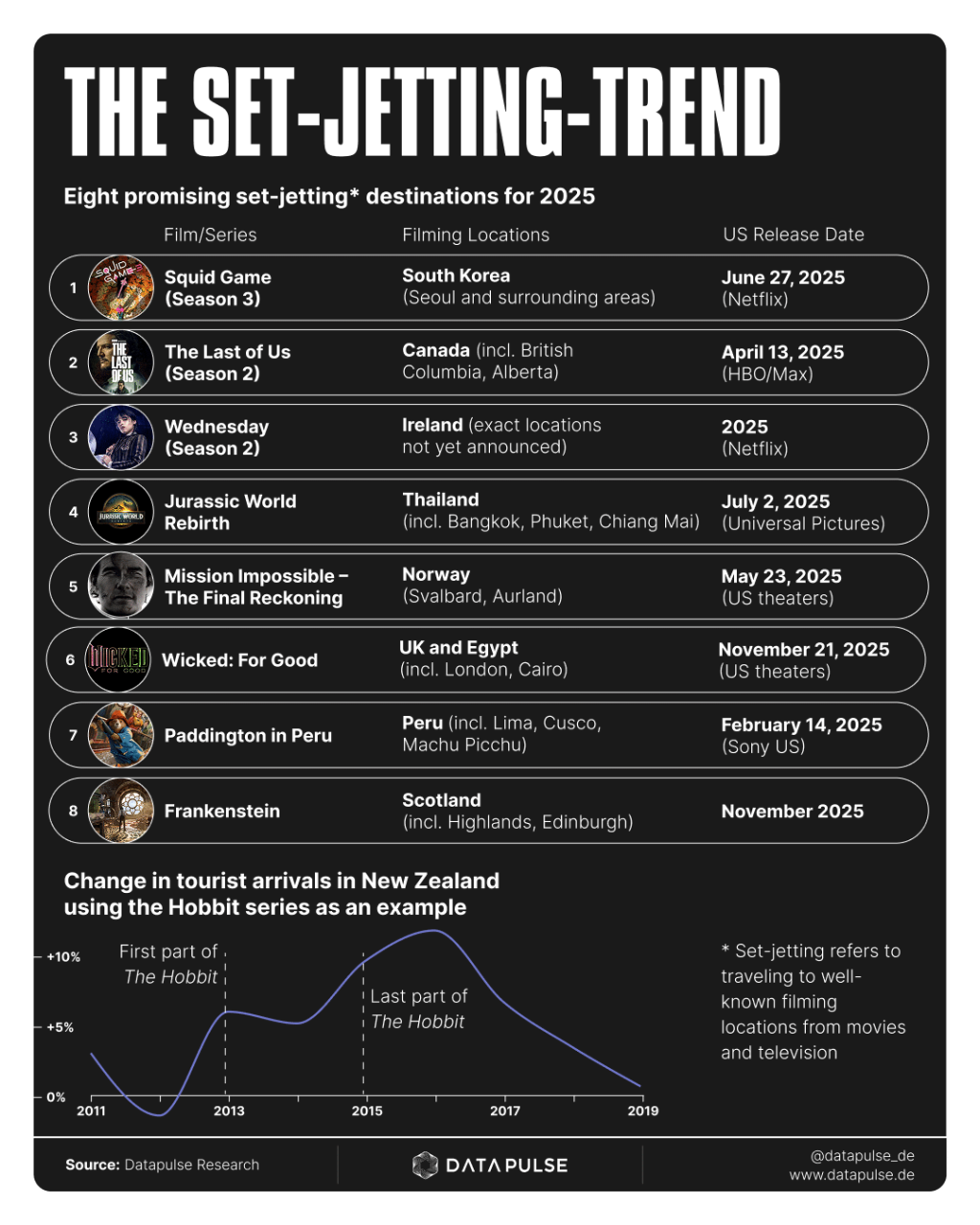
For travelers, the appeal remains constant: the desire to bridge the gap between the screen and reality. For destinations, the challenge remains the same: to turn a fleeting moment of fame into a sustainable, long-term industry that benefits the local community while providing visitors with a meaningful and authentic experience. The legacy of the 1986 Outback boom serves as a reminder that while the tools of the trade have changed, the fundamental power of storytelling to move people across the globe remains as potent as ever.
We invite our readers to share their own experiences with set-jetting. Have you ever visited a destination because of a film or television show? Let us know in the comments below.
Related reading