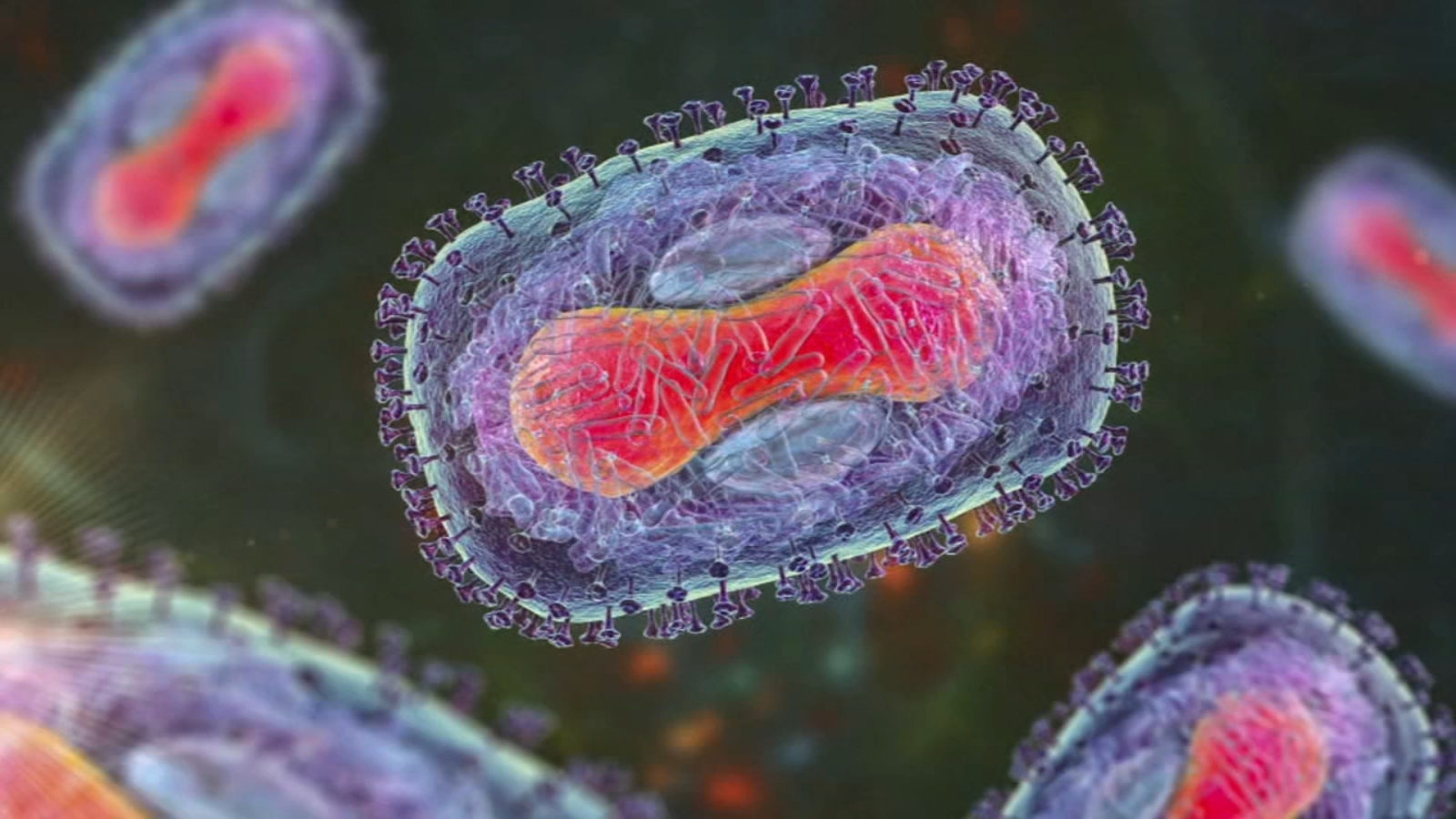
Severe Mpox Strain Detected in New York City, Raising Public Health Awareness
New York City has confirmed its first case of a more severe strain of Mpox, known as clade I, prompting increased vigilance from public health officials. While the overall risk to the general public remains low, the emergence of this variant, linked to outbreaks in Central and Eastern Africa, underscores the continued evolution of the virus and the importance of ongoing monitoring and preventative measures. The case, identified recently, adds to a total of eleven cases of this clade reported across the United States since November 2024, according to the Centers for Disease Control and Prevention (CDC).
The identification of Mpox clade I in New York City comes as health authorities continue to track the global spread of the virus and its various strains. Mpox, formerly known as monkeypox, gained international attention in 2022 with a widespread outbreak, leading to the development and distribution of vaccines. The current situation highlights the need for continued awareness and adherence to public health guidelines, particularly for individuals at higher risk. Understanding the differences between Mpox clades and their potential severity is crucial for effective response and mitigation strategies.
The CDC reports that all identified cases of clade I in the U.S. Have been linked to individuals who recently traveled to regions in Central and Eastern Africa experiencing outbreaks, or who had close contact with travelers from those areas. This geographical connection suggests that the current cases represent imported infections rather than widespread community transmission within the United States. However, officials emphasize the importance of remaining vigilant and prepared for potential changes in the transmission dynamics of the virus. The CDC is actively monitoring the situation and providing guidance to state and local health departments.
Understanding Mpox Clade I and its Severity
Mpox is a viral illness that can cause a rash, fever, headache, muscle aches, and swollen lymph nodes. While most cases resolve on their own within a few weeks, some individuals may experience severe complications, including secondary infections, pneumonia, and even death. Clade I, the strain recently identified in New York City, is associated with a higher rate of severe illness and a greater risk of complications compared to the clade IIb strain that was dominant during the 2022 outbreak. According to the World Health Organization (WHO), clade I has a fatality rate of around 10%, significantly higher than the 1% observed with clade IIb. WHO updates on Mpox nomenclature provide further details on the different clades.
The severity of Mpox clade I is attributed to several factors, including its genetic characteristics and its potential to cause more extensive skin lesions and systemic inflammation. Individuals with weakened immune systems, underlying health conditions, or who are unvaccinated are at higher risk of developing severe illness. Early diagnosis and access to appropriate medical care are crucial for improving outcomes in cases of clade I infection. The CDC recommends that individuals experiencing symptoms consistent with Mpox seek medical attention immediately.
Vaccination and Prevention Strategies
A two-dose vaccine for Mpox, JYNNEOS, was first made available in 2022 to individuals at high risk of exposure. The vaccine has proven effective in preventing infection and reducing the severity of illness. The CDC continues to recommend vaccination for individuals who are at increased risk, including men who have sex with men, people with HIV, and those who have had close contact with someone diagnosed with Mpox. CDC guidance on Mpox vaccination provides detailed information on eligibility criteria and vaccine availability.
In addition to vaccination, several other preventative measures can help reduce the risk of Mpox transmission. These include practicing good hygiene, avoiding close contact with individuals who are sick, and refraining from sharing personal items such as clothing, towels, and bedding. Individuals who suspect they may have been exposed to Mpox should monitor themselves for symptoms and seek medical attention if they develop a rash or other concerning signs. Public health officials are too emphasizing the importance of safe sex practices to prevent the spread of the virus.
Current Situation and Public Health Response
As of March 14, 2026, the CDC reports eleven confirmed cases of Mpox clade I in the United States, with the recent case in New York City representing the first identified instance of the more severe strain in the state. Health officials are conducting contact tracing to identify individuals who may have been exposed to the virus and to prevent further spread. The CDC is also working with state and local health departments to enhance surveillance efforts and to ensure that healthcare providers are prepared to diagnose and treat Mpox cases.
The CDC emphasizes that the risk of clade I Mpox to the general public in the United States remains low. However, they urge individuals to remain vigilant and to take appropriate preventative measures. The agency is providing regular updates on the situation and will continue to adjust its recommendations as needed. The ongoing monitoring of Mpox cases and the implementation of effective prevention strategies are essential for protecting public health and preventing future outbreaks.
Key Takeaways
- A more severe strain of Mpox (clade I) has been identified in New York City, adding to eleven cases nationwide since November 2024.
- Cases are linked to recent travel to Central and Eastern Africa or contact with travelers from those regions.
- Mpox clade I is associated with a higher rate of severe illness and a greater risk of complications compared to previous strains.
- Vaccination with JYNNEOS remains the most effective way to prevent infection and reduce the severity of illness.
- The CDC states the risk to the general public remains low, but vigilance and preventative measures are crucial.
Public health officials will continue to monitor the situation closely and provide updates as they become available. Individuals with concerns about Mpox are encouraged to consult with their healthcare provider or visit the CDC website for more information. The ongoing collaboration between federal, state, and local health agencies is essential for effectively responding to this evolving public health threat.
- Swimming Banned in 4 Provinces Due to Bad Weather and High Waves: Red Flags Raised
- SCR Altach: Yann Massombo streikt vor Sturm-Graz-Spiel wegen Weichselwunsches
- Rare Dark Bordered Beauty Moth Discovered at Wallington Estate (archyworldys.com)
- Severe Traffic Congestion Hits Riga Ahead Of Holiday Weekend (newsdirectory3.com)