
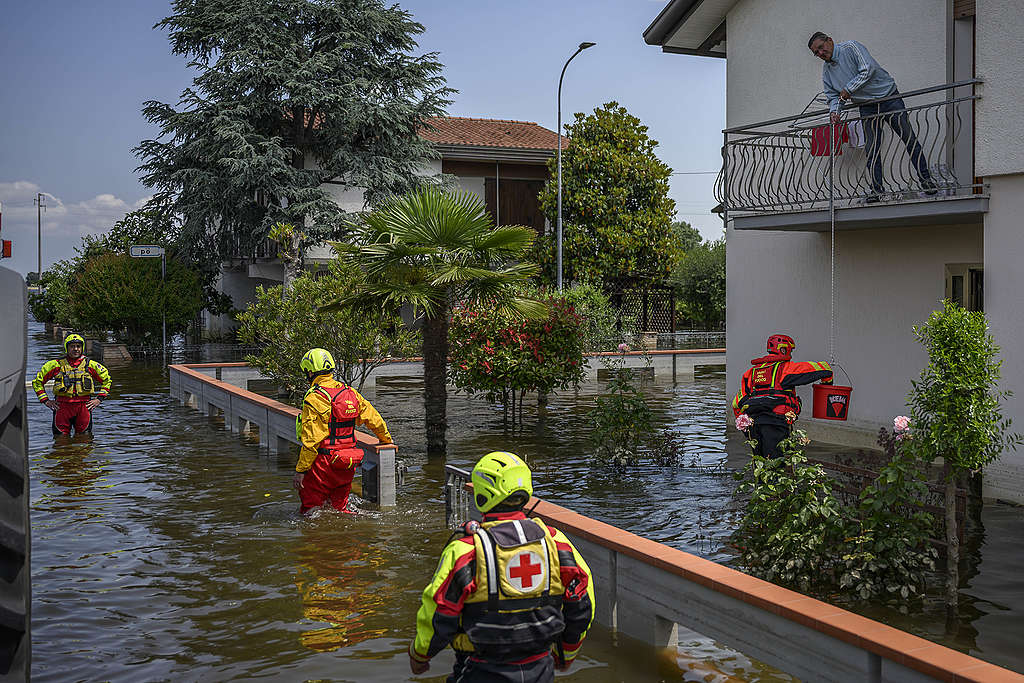
Severe weather conditions swept across Italy’s Emilia-Romagna region this week, bringing intense thunderstorms, heavy hail, and powerful wind gusts that triggered dozens of emergency responses. Local authorities and civil protection teams have been working throughout the region to manage the fallout from the meteorological instability, which resulted in downed trees, traffic disruptions, and damage to local infrastructure.
The sudden shift in weather, characterized by significant hail and high-velocity winds, has once again highlighted the region’s vulnerability to extreme climatic events. As emergency crews continue to assess the situation, residents are being urged to exercise caution and monitor official updates from the Emilia-Romagna Civil Protection Agency, which remains the primary source for safety advisories and weather alerts.
Impact and Emergency Response Across Emilia-Romagna
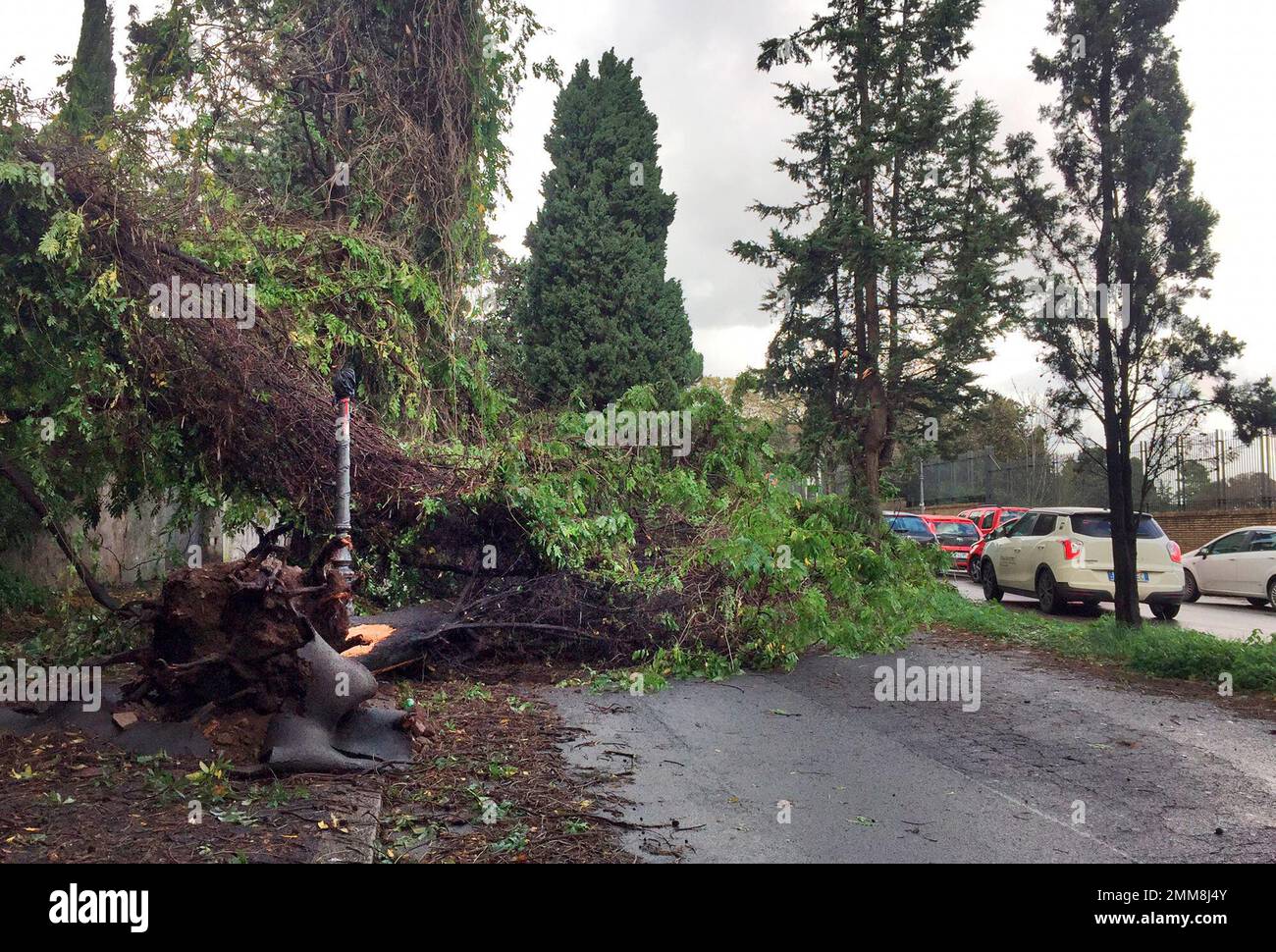
The impact of the storm was felt unevenly across the provinces, with Ferrara, Modena, and Reggio Emilia reporting the highest density of incidents. In Ferrara, the force of the wind was sufficient to topple a large tree directly onto a roadway, creating a significant obstruction and necessitating immediate intervention by the fire brigade (Vigili del Fuoco). Similar scenarios played out across the region, where firefighters reported at least 30 separate emergency calls related to the weather, ranging from structural damage to the removal of debris from major thoroughfares, according to official reports from the Italian National Fire Corps.
In the province of Modena, the situation was particularly tense, with reports of a large tree collapsing onto the ring road (tangenziale). While the incident caused significant traffic delays, local authorities confirmed that no casualties were reported, though the event has been described by local observers as a narrow escape for those traveling through the area at the time. The intensity of the hail, which reached sizes capable of damaging vehicles and agricultural crops in areas like Carpi, has added a layer of complexity to the recovery efforts.
Understanding the Meteorological Context
The instability currently affecting Northern Italy is part of a broader pattern of convective weather systems that frequently develop in the Po Valley during late spring and summer months. These systems are often fueled by the contrast between hot, humid air masses rising from the Mediterranean and cooler currents moving over the Alps. When these systems collide, they can produce “supercell” characteristics, leading to localized but extremely violent gusts of wind and intense hailstorms, as noted by the Italian Air Force Meteorological Service.
For the residents of Emilia-Romagna, these events represent a recurring challenge. The regional government has been proactive in implementing climate adaptation strategies, though the frequency of such events makes the management of urban green spaces—specifically the maintenance of large, aging trees near high-traffic roads—a critical priority for municipal safety departments. The focus remains on clearing debris and ensuring that the electrical and road networks are restored to full functionality following the passage of the storm front.
What Happens Next: Safety and Preparedness
As the immediate threat from these specific storm cells dissipates, the regional authorities are transitioning into a monitoring phase. The National Department of Civil Protection continues to provide real-time guidance on how to behave during severe weather, emphasizing the importance of staying indoors, avoiding travel during peak wind events, and keeping away from trees or unstable structures that may have been compromised by the high winds.
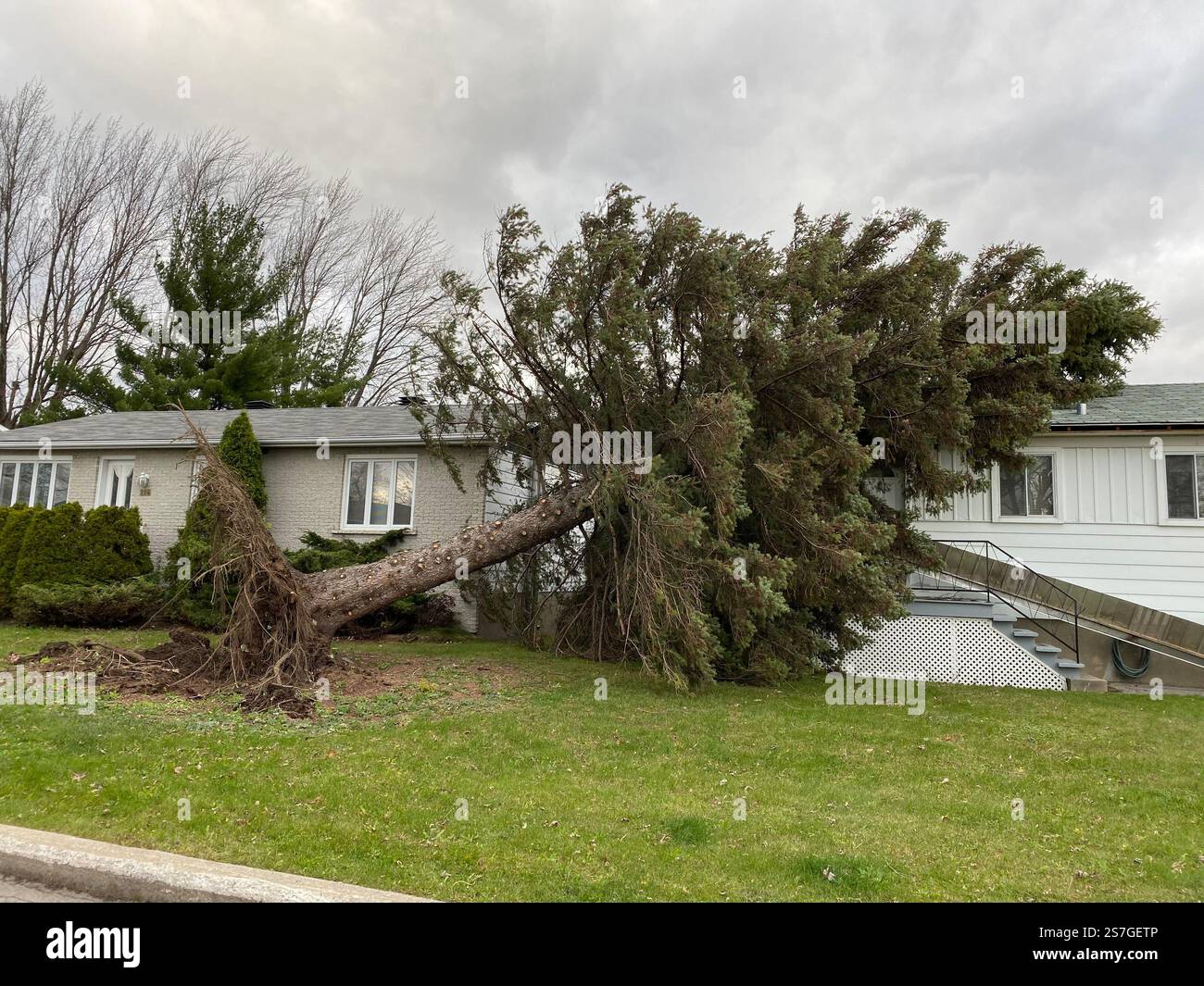
For those affected by property damage, local municipal offices are currently collecting reports to assess the total impact on public and private infrastructure. Residents are advised to document any damage safely and consult their local municipal websites for instructions on potential insurance claims or assistance programs. While the weather is expected to stabilize in the coming days, the regional meteorological service maintains a state of vigilance, with further bulletins expected as the atmospheric pressure shifts.
We will continue to monitor the situation in Emilia-Romagna and provide updates as more information becomes available from official sources. If you have been affected by these events or have witnessed the impact in your local area, we encourage you to share your experiences in the comments section below, ensuring that all community reports remain focused on verified information and public safety.
Keep reading
- Former HSG Professor Urges Foresight and Engagement in Horn
- Germany Deported Bob Vylan Frontman Over Pro-Palestine Comments: The Fight for Free Speech
- Thousands of American Historic Landmarks Face Severe Wildfire Threat (newsdirectory3.com)
- Katabatic Winds, Explained: Why Antarctica Is Earth's Windiest Place (daybreakwire.com)