
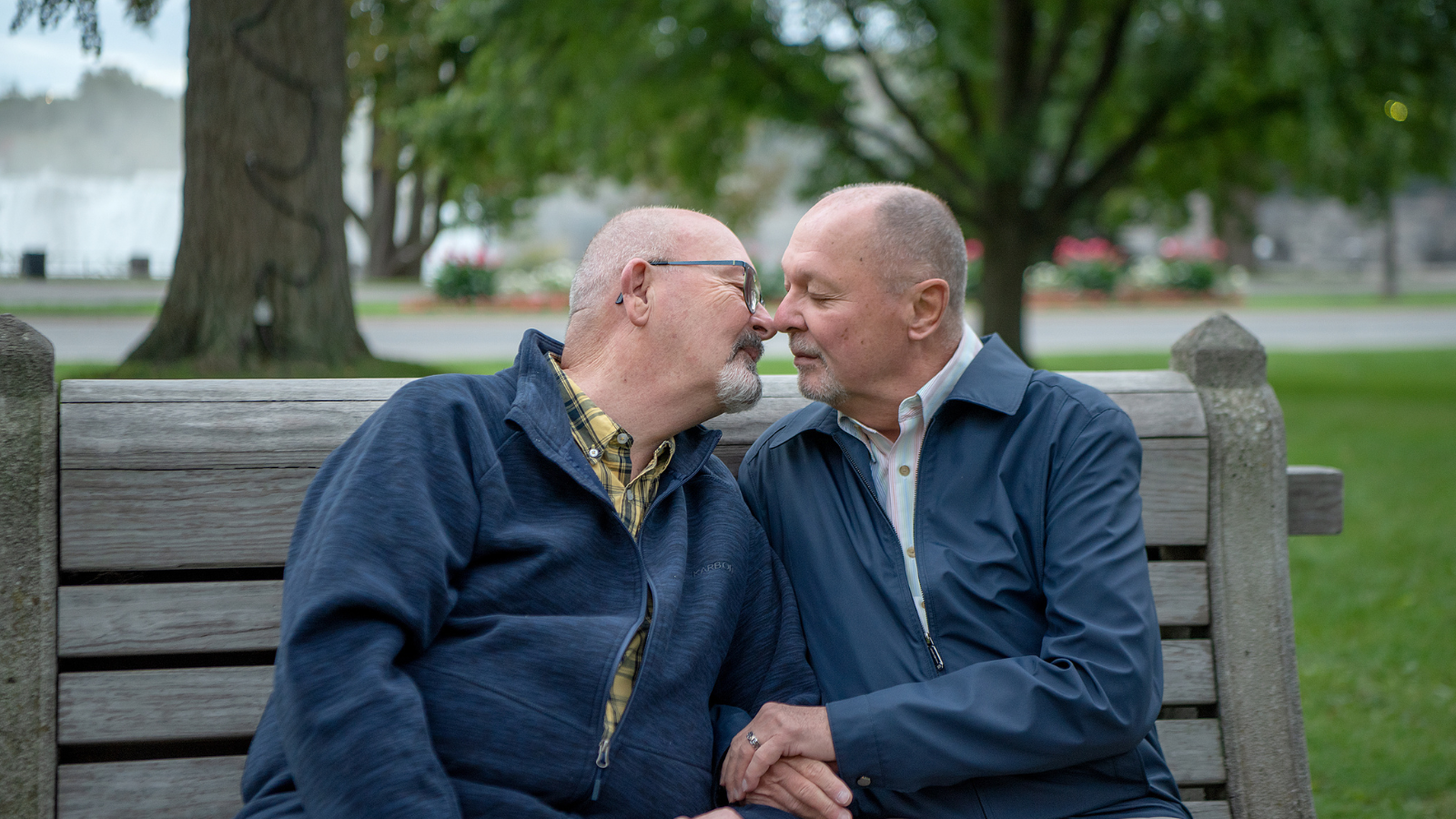
The Unfinished Sexual Revolution: Navigating Intimacy and Desire in Later Life for the Baby Boomer Generation
For those of us born between 1945 and 1964 – the Baby Boomers – a curious paradox has emerged. We came of age during a period of unprecedented sexual liberation, actively challenging norms and demanding greater freedom and expression. Yet, as we navigate the realities of aging, many of us find ourselves grappling with a surprising resistance to acknowledging the natural changes that impact our bodies, and crucially, our sexual lives. This isn’t simply vanity; its a complex interplay of ancient context, deeply held beliefs about vitality, and the enduring power of desire.
A generation Defined by Sexual Freedom
Our generation didn’t just witness the sexual revolution; we fueled it. we were the beneficiaries of groundbreaking research by pioneers like Masters and Johnson, wich empowered us to articulate our needs and expectations in the bedroom. We championed open conversations about sex in media, pushed for greater acceptance of diverse sexual orientations (building on the foundation laid by the Stonewall uprising), and embraced a wider range of tools and therapies to enhance our sexual experiences. From the burgeoning market for sexual aids like vibrators and lubricants to the progress of medications addressing erectile dysfunction (ED – a term now universally recognized), we actively sought to optimize and prolong our sexual wellbeing.
This wasn’t merely about physical pleasure. For Boomers, sexuality became intrinsically linked to vitality, a symbol of youthfulness and a rejection of societal constraints. We equated a fulfilling sex life with a fulfilling life, and that belief persists today. Surveys consistently demonstrate that the vast majority of older adults consider sex important and actively maintain sexual activity, with a strong desire to continue doing so for as long as possible.
The Challenges of Maintaining Desire and Connection
However, the pursuit of lifelong sexual wellbeing isn’t without its hurdles. The reality of aging presents unique challenges that demand a new kind of sexual literacy and a willingness to adapt. These challenges are multifaceted:
* Physiological Changes: While medical advancements have addressed some age-related sexual dysfunctions, particularly for men, solutions for women are often less straightforward. Changes in hormone levels, vaginal dryness, and decreased blood flow can impact arousal and pleasure. The search for a “magic elixir” to restore youthful ardor for women remains elusive, leaving many feeling frustrated and defeated.
* Relationship Dynamics & Loss: The loss of a partner through death or divorce is a significant factor impacting sexual activity. Re-entering the dating scene later in life can be daunting, requiring a re-evaluation of personal needs and a willingness to navigate new forms of intimacy.
* Health Concerns & Medications: Chronic conditions like diabetes, heart disease, and high blood pressure, increasingly prevalent with age, can directly impact sexual function.Moreover, medications used to treat common ailments like depression and cancer frequently enough have sexual side effects.
* The Rise of STIs: Alarmingly,rates of sexually transmitted infections (STIs) are increasing among individuals over 50. Recent data reveals a concerning lack of consistent condom use within this demographic,despite the availability of incredibly thin yet effective barrier methods. This highlights a critical need for improved sexual health education and awareness.
Reinventing Sexuality in Later Life: A Call for Openness and Proactive Care
The irony is stark: the generation that sparked a sexual revolution is now tasked with reinventing sexuality for themselves. This requires a shift in perspective, a willingness to embrace vulnerability, and a proactive approach to sexual health.
Here’s what needs to happen:
* Destigmatizing Conversations: We need to break down the taboos surrounding sex and aging.Open and honest conversations with partners, healthcare providers, and trusted friends are crucial.
* Prioritizing Sexual Health: Sexual health should be integrated into routine medical check-ups. Healthcare professionals need to be equipped to address age-related sexual concerns with sensitivity and expertise.
* Embracing adaptability: Recognizing that sexual expression may evolve with age is essential. Exploring alternative forms of intimacy, focusing on sensual touch, and prioritizing emotional connection can enhance satisfaction.
* Leveraging Available Resources: Fortunately, the landscape for sexual health support is substantially brighter than it was for previous generations. Access to qualified sex therapists, informative online resources, and ongoing research offers hope and guidance.However, discerning quality facts from misinformation is paramount.
* Prioritizing Safe Sex: Regardless of age, practicing safe sex is non-negotiable. Consistent condom use remains the most effective way to prevent the spread of STIs.
A Future of Fulfilling Intimacy
The journey of sexual wellbeing doesn’t end with youth. for Baby Boomers, it’

![Food Safety Policy: Protecting Public Health | [Government Initiative]](https://i0.wp.com/apicms.thestar.com.my/uploads/images/2025/09/28/3543221.jpg?resize=150%2C150&ssl=1 "Food Safety Policy: Protecting Public Health | [Government Initiative]")



