Sex, Power and Backlash in Africa: Historical Context and Contemporary Struggles
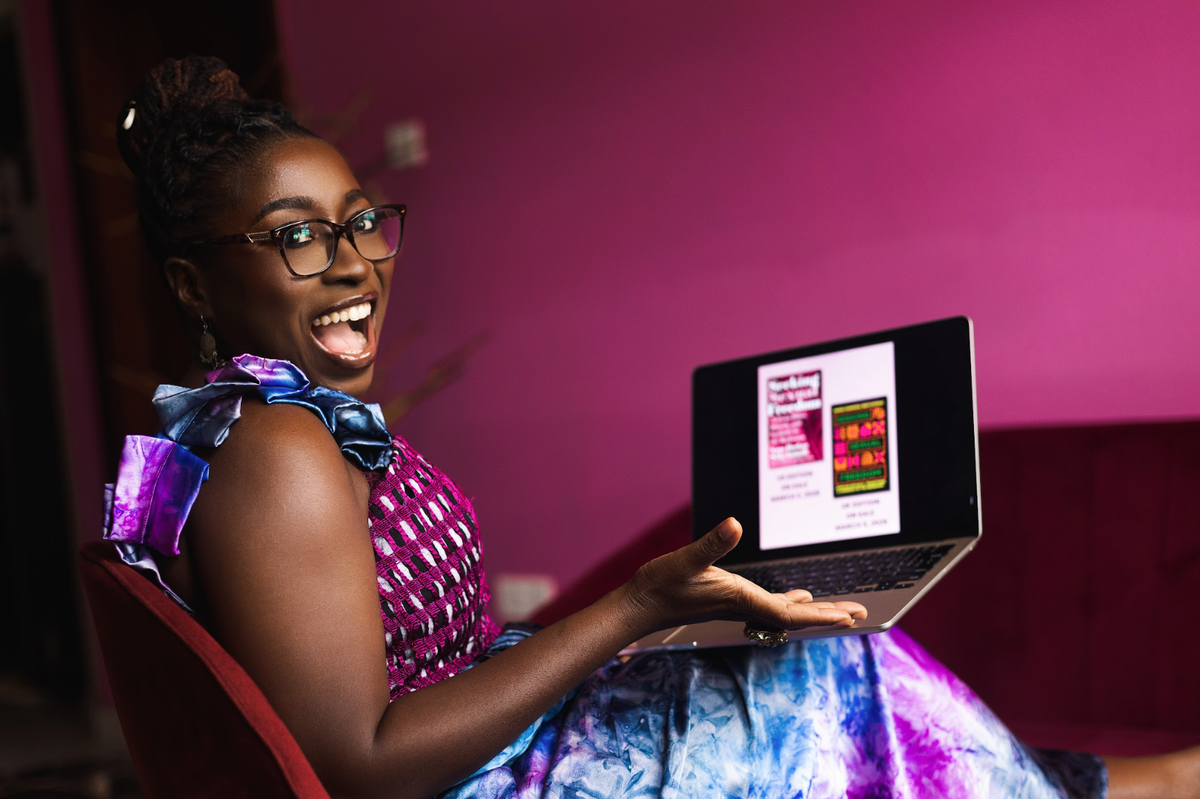
Across Africa, traditional understandings of gender, sexuality and intimacy have long been more expansive than the restrictive norms gaining ground today. In Senegal, the Xaxars—community gatherings where women, men and children once sang openly about sexual desires with their betrothed—have been transformed by rising religious conservatism. As author Nana Darkoa Sekyiamah notes in her book Seeking Sexual Freedom, these spaces, once joyous and explicit, now occur only after marriage consummation, stripping them of their original power to foster honest sexual dialogue. This shift reflects a broader pattern where religious fundamentalism, patriarchy and political power intersect to limit sexual autonomy.

The historical roots of this tension run deep. Colonialism did not merely impose modern laws; it reshaped African social and cultural norms, promoting Victorian ideals of respectability while demonizing indigenous traditions. In former British colonies like Ghana, missionaries carried Bibles alongside tools for land seizure and military conquest. Resistance took many forms, including the legendary stand of Queen Mother Yaa Asantewaa, who in 1900 declared, “If you, the men of Asante, will not go forward, then we will. I shall call upon my fellow women. We will fight the white men. We will fight till the last of us falls on the battlefield.” Today, the struggle against colonization continues—not just against physical occupation, but against the cultural legacy that frames Blackness as inferior and privileges religious over civil law.
Contemporary data underscores the scale of the challenge. On the African continent today, 31 out of 54 countries have banned consensual same-sex relationships, according to verified international human rights monitoring. Over half the population identifies as Christian, and just over 30% as Muslim. While religiosity itself is not inherently problematic, it becomes a threat to human rights when conservative leaders leverage political influence to restrict reproductive autonomy and block legislation critical to women’s health. In Sierra Leone, President Julius Maada Bio announced in 2022 that his government had unanimously approved a safe motherhood bill during the 10th All Africa Conference on Sexual Health and Reproductive Rights. However, three years later, the bill remained unpassed due to lobbying by far-right religious extremists within the Inter-Religious Council of Sierra Leone—a pattern echoed in Ghana, where religious leaders ally with politicians to advance anti-gay legislation.
These dynamics are not isolated incidents but part of a systemic backlash against progressive gains in gender and sexual equity. Religious fundamentalism has historically influenced global policy spaces, such as the 1995 Beijing Women’s Conference, where consensus on gender as a social construct was often blocked by pressure from conservative governments like Iran and the Vatican. The same forces continue to shape development agendas, as seen in the reinstatement of the global gag rule under U.S. Republican administrations, which blocks American funding to any healthcare organization providing abortion care or advice—a policy that disproportionately affects African nations reliant on foreign health aid.
Yet resistance persists. Feminist and queer movements across Africa are actively reclaiming ancestral knowledge and creating new spaces for sexual liberation. The concept of sankofa—returning to the past to build the future—guides efforts to revive traditions that affirm sexual diversity and bodily autonomy. In Bahia, Brazil, Sekyiamah witnessed the endurance of African heritage through Candomblé temples and street food, reminding her that diasporic communities have preserved indigenous practices despite centuries of enslavement. These living traditions offer a foundation for envisioning futures where open, honest, even obscene conversations about sex are not just possible but celebrated.
The path forward requires recognizing that the majority of Africans desire civil, not religious, governance. As secularism faces pressure from politicized religion, protecting human rights demands vigilance against the erosion of hard-won freedoms. For readers seeking to understand this evolving landscape, verified updates on legislative developments in countries like Sierra Leone and Ghana can be found through regional human rights monitors and United Nations development reports.
What aspects of Africa’s sexual history resonate most with your understanding of cultural resilience? Share your thoughts below and help amplify voices working toward sexual freedom across the continent.