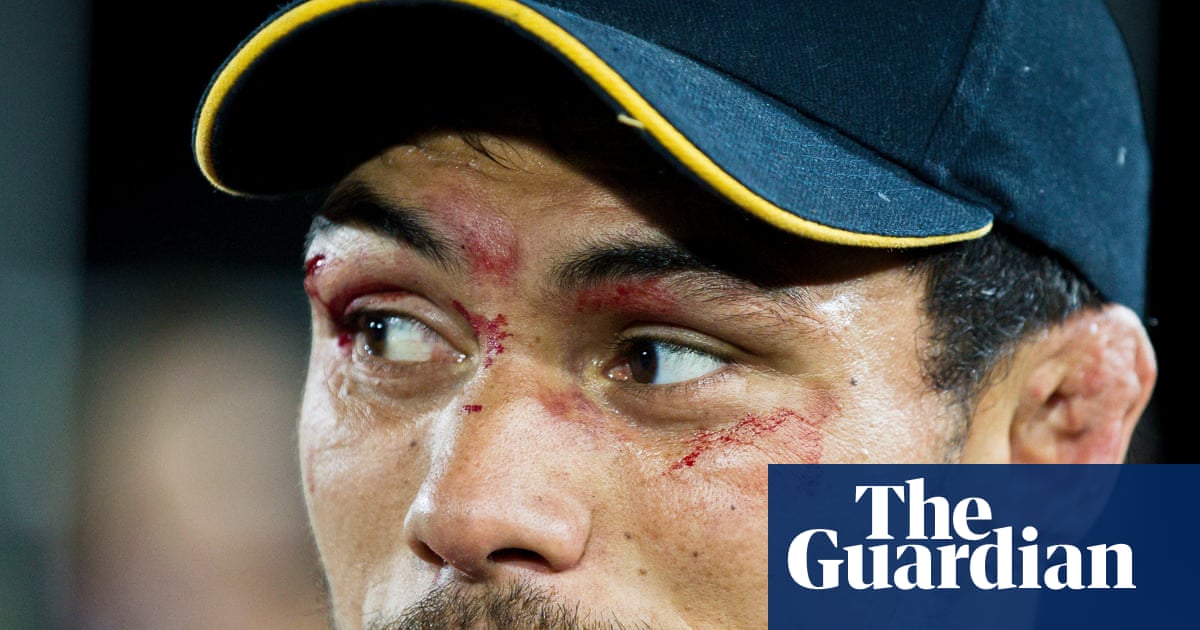
The world of professional sports demands incredible physical prowess, but what happens when the very strength athletes are known for comes at a devastating, long-term cost? Chronic Traumatic Encephalopathy (CTE), a degenerative brain disease, is increasingly recognized as a potential consequence of repetitive head trauma. It’s a reality that’s reshaping how we understand athlete safety and long-term health.
Understanding the Shadow of CTE
It’s a chilling realization for many former athletes: the glory on the field can fade, leaving behind a silent struggle within the brain. Former rugby players, like those remembered by their loved ones, are now at the center of a growing conversation about the risks inherent in contact sports. You might wonder, what does this mean for the future of these games and the well-being of those who dedicate their lives to them?
“If you’re not in the stadium as a gladiator … if you’re not the strong, powerful person that they pay you to be … you’re left in the dark, alone,” she says.
Brain Research Could Keep Legacy Alive
At the University of Auckland’s center for brain research, a dedicated laboratory houses the brains of over 1,000 individuals donated for study.
Researchers meticulously examine thin glass sections of the cerebellum, revealing intricate patterns resembling botanical ink drawings. Elsewhere, scientists are actively reprogramming cells into neurons, observing their responses to potential injuries. This is where the presence of CTE was first identified in Guyton’s brain, and where Christie’s brain is currently undergoing examination.
Dr. Helen Murray, a senior research fellow and former ice hockey player, emphasizes the complexity of CTE. Determining its prevalence among athletes and the general population remains a significant challenge. Diagnosing CTE during a person’s lifetime is particularly difficult, as its symptoms often mimic those of othre neurological conditions.
While not every contact sport participant will develop a brain condition, the risk is demonstrably higher for those involved in these activities, according to murray. Recent data from the Concussion Legacy Foundation (CLF) indicates that over 335 deceased NFL players have been diagnosed with CTE as of September 2024. This underscores the urgent need for continued research and preventative measures.
Researchers are only beginning to unravel the intricacies of CTE. What they currently understand is that a protein called tau accumulates excessively in the brain, particularly in areas that have experienced impacts. This buildup disrupts blood flow and neural pathways.
“It looks like these big flame-shaped fibres that’s all over the cells,” Murray explains. “Once it’s formed,its really hard to get rid of.”
Murray expresses hope that her research will ultimately contribute to strategies for minimizing the risk of CTE. This could involve adjustments to sport seasons, improved post-career care for athletes, or delaying participation in contact sports for children. The goal is to protect the long-term neurological health of those who engage in these activities.
Christie’s family believes his decision to donate his brain to research will amplify his advocacy for CTE awareness. They hope his legacy will inspire greater understanding and preventative action.
“I think people weren’t actually listening when he was trying to explain things before,” Parkes says. “But as the years go on, the things that he said in the final years of his life may become even more poignant and even more profound.”
Did you No? A 2023 study published in JAMA Neurology found that repetitive subconcussive impacts - those that don’t result in a diagnosed concussion – can still contribute to the development of CTE pathology.
The Role of Early Detection and Prevention
Identifying potential CTE risk factors early on is crucial. Factors such as the number of years playing contact sports, the frequency and severity of head impacts, and a history of concussions all play a role. I’ve found that implementing stricter concussion protocols and promoting proper tackling techniques can considerably reduce the risk of head injuries.
Here’s what works best for minimizing risk:
- Proper Equipment: Ensuring athletes wear properly fitted helmets and protective gear.
- Concussion education: Educating athletes,coaches,and parents about the signs and symptoms of concussions.
- Return-to-Play Protocols: Implementing strict return-to-play protocols following a concussion, guided by medical professionals.
- Limiting Contact: Reducing the amount of full-contact practice time, especially at younger ages.
Pro Tip: Consider non-contact alternatives. Many sports offer variations that provide similar physical and mental benefits without the same level of risk. for example, flag football instead of tackle football.
Navigating the Future of Contact Sports
The growing awareness of CTE is prompting a reevaluation of the risks and rewards associated with contact sports. There’s a growing debate about whether the long-term health consequences outweigh the benefits of participation.It’s a complex issue with no easy answers.
The conversation extends beyond professional athletes to include amateur and youth sports. Protecting young, developing brains is paramount. Delaying the introduction of full-contact sports until later ages and focusing on skill development rather than aggressive contact are potential strategies.
Ultimately, the goal is to create a sporting environment that prioritizes athlete safety and well-being. This requires a collaborative effort from athletes, coaches, medical professionals, and governing bodies.
Summary of Key Considerations:
| Factor | Impact on CTE Risk |
|---|---|
| Years of Contact Sport Participation | Longer duration increases risk. |
| Frequency of Head Impacts | more frequent impacts elevate risk. |
| Severity of Impacts | Severe impacts (concussions) are strongly linked. |
| Age of First Exposure | Earlier exposure may increase vulnerability. |
Are we doing enough to protect our athletes? What further steps can be taken to mitigate the risks associated with CTE? These are critical questions that demand ongoing attention and action.
Evergreen Insights: The Long-Term Perspective
The understanding of CTE is constantly evolving. What we certainly know today might potentially be refined or expanded upon in the future. However, the fundamental principle remains: repetitive head trauma can have devastating consequences for brain health. This isn’t just a sports issue; it’s a public health concern. It’s a reminder that prioritizing long-term well-being is essential, even in the pursuit of athletic excellence.
Frequently Asked Questions About CTE
- What is CTE? Chronic Traumatic Encephalopathy (CTE) is a degenerative brain disease found in people with a history of repetitive brain trauma, including concussions and subconcussive impacts.
- How is CTE diagnosed? Currently, CTE can only be definitively diagnosed post-mortem through examination of brain tissue.
- What are the symptoms of CTE? Symptoms can vary but often include memory loss, cognitive impairment, behavioral changes, and mood disorders.
- Can CTE be prevented? While there’s no guaranteed prevention, reducing the risk of head
Related reading