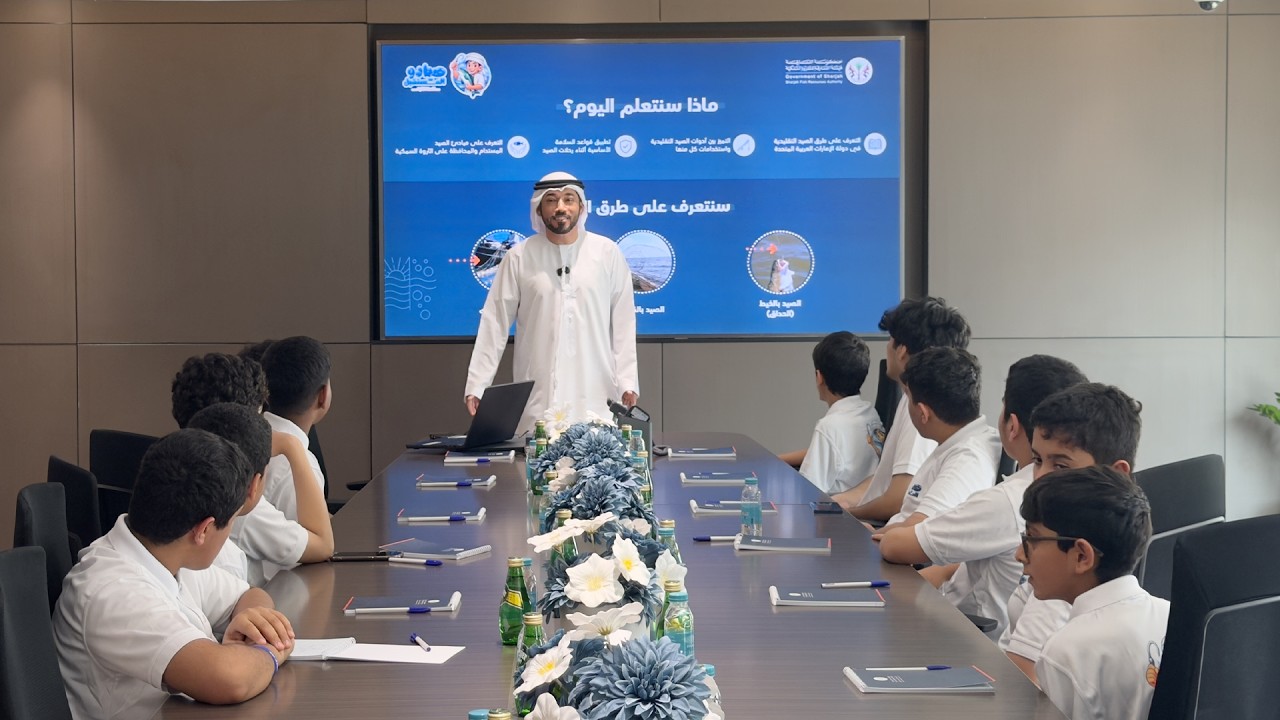
The Sharjah Fisheries Authority has officially launched the second edition of the “Future Fishermen” program, an initiative designed to preserve the emirate’s maritime heritage while equipping the younger generation with essential skills in sustainable fishing. The program, which focuses on youth engagement, aims to bridge the gap between traditional knowledge and modern marine conservation practices, according to official statements from the Sharjah government.
This initiative aligns with broader efforts in the United Arab Emirates to protect local marine biodiversity. By training participants in traditional fishing techniques and the use of sustainable equipment, the authority intends to foster a sense of stewardship over the Gulf’s natural resources. The program emphasizes the importance of following local maritime regulations, which are governed by the Ministry of Climate Change and Environment to ensure the longevity of fish stocks in the region, as outlined in the official federal guidelines for sustainable fishing.
Program Objectives and Youth Engagement
The “Future Fishermen” program serves as an educational platform for residents and citizens interested in the maritime industry. The second edition builds on the success of the inaugural cycle, expanding its curriculum to cover marine safety, navigation, and the identification of fish species native to the Arabian Gulf. Participants receive hands-on training from experienced local fishermen who act as mentors, ensuring that the techniques passed down through generations are preserved.
Beyond technical skills, the program highlights the economic significance of the fishing sector in Sharjah. By introducing participants to the regulatory framework and the importance of professional ethics in the industry, the authority aims to encourage youth to view fishing as a viable and respected career path. This is part of a strategic push to support the national economy and maintain food security, as detailed in the Sharjah Executive Council’s strategic vision for local development.
Sustainability and Marine Conservation
A core component of the curriculum is the emphasis on marine conservation. The Sharjah Fisheries Authority mandates that all participants adhere to strict environmental standards, including the use of approved fishing gear that minimizes bycatch and protects coral reefs. These standards are consistent with the United Arab Emirates’ commitment to environmental sustainability and the protection of its coastal ecosystems.
The program also addresses the impact of climate change on local fish populations. Mentors guide students through the complexities of seasonal fishing bans and size restrictions, which are enforced to allow fish stocks to replenish. By educating the youth on these specific conservation measures, the Sharjah Fisheries Authority hopes to create a community of fishermen who prioritize the health of the marine environment over short-term gains.
Long-term Impact and Future Outlooks
The decision to host a second edition of “Future Fishermen” underscores the positive reception and perceived value of the initiative among the local community. The authority has indicated that the program will continue to evolve, with potential plans to incorporate more advanced maritime technology and data-tracking tools in future iterations. These efforts are part of a wider strategy to modernize the fishing industry while maintaining its cultural identity.
The program is expected to conclude with a certification ceremony for participants who complete the required training hours. Those interested in future enrollment or seeking more information on maritime activities in the region are encouraged to monitor the official communication channels of the Sharjah Fisheries Authority for updates on registration periods and program requirements.
We welcome your thoughts on the role of youth initiatives in preserving maritime heritage. Please share your comments or join the discussion on our social media channels to let us know your perspective on the future of sustainable fishing in the region.
Related reading