A Thaw in Relations? Spain and Mexico Navigate a Delicate Diplomatic Shift
Mexico City and Madrid are cautiously signaling a potential easing of tensions following remarks by King Felipe VI acknowledging abuses during the Spanish conquest of the Americas. The comments, made during a visit to the Museo Arqueológico Nacional in Madrid, have been welcomed by Mexican President Claudia Sheinbaum as a “gesture of rapprochement,” marking a significant shift in a relationship strained by historical grievances. This development comes after years of calls from Mexico for Spain to formally apologize for the atrocities committed during the colonial period, a request previously met with resistance.
The relationship between the two nations entered a particularly fraught period in 2019 when then-Mexican President Andrés Manuel López Obrador formally requested an apology from the Spanish Crown. Spain’s response was dismissive, and the diplomatic chill deepened. The situation deteriorated further, with Spain notably declining to send a representative to Sheinbaum’s inauguration in 2024, a pointed snub that underscored the depth of the rift. Now, King Felipe VI’s acknowledgement of “excesses and exterminations” during the conquest appears to be a carefully calibrated attempt to rebuild bridges, though stopping short of a full apology.
Historical Context: A Legacy of Disagreement
The roots of the dispute lie in the centuries-old history of Spanish colonization in the Americas. Mexico, formerly New Spain, experienced significant upheaval and loss of life during the conquest and subsequent colonial rule. For years, Mexican leaders have argued that a formal apology from Spain is necessary for true reconciliation. López Obrador’s 2019 letter was a direct appeal to King Felipe VI, urging him to address the historical injustices. However, Spain maintained that a formal apology was not warranted, citing the complexities of historical interpretation and the contributions of Spanish culture to Mexico.
The core of the disagreement centers on differing interpretations of the historical record. Whereas Spain acknowledges that abuses occurred, it has historically emphasized the legal frameworks put in place – such as the Laws of the Indies – intended to protect indigenous populations. Critics argue that these laws were often ignored in practice, and that the overall impact of colonization was devastating for indigenous communities. The debate extends beyond historical accuracy to questions of moral responsibility and the ongoing legacy of colonialism in both countries.
King Felipe VI’s Remarks: A Shift in Tone
During his visit to the exhibition “The Woman in Indigenous Mexico,” King Felipe VI stated that while the Catholic Monarchs and Queen Isabella had “an eagerness to protect” indigenous people, “reality makes it so that it is not fulfilled as intended and there is much abuse.” He also acknowledged “ethical and moral controversies regarding how power was exercised from the first day” of the conquest. This acknowledgement, while not a direct apology, represents a departure from previous statements by the Spanish Crown and a willingness to engage with the painful aspects of the colonial past. The remarks were delivered in a video published by the Royal House on X (formerly Twitter).
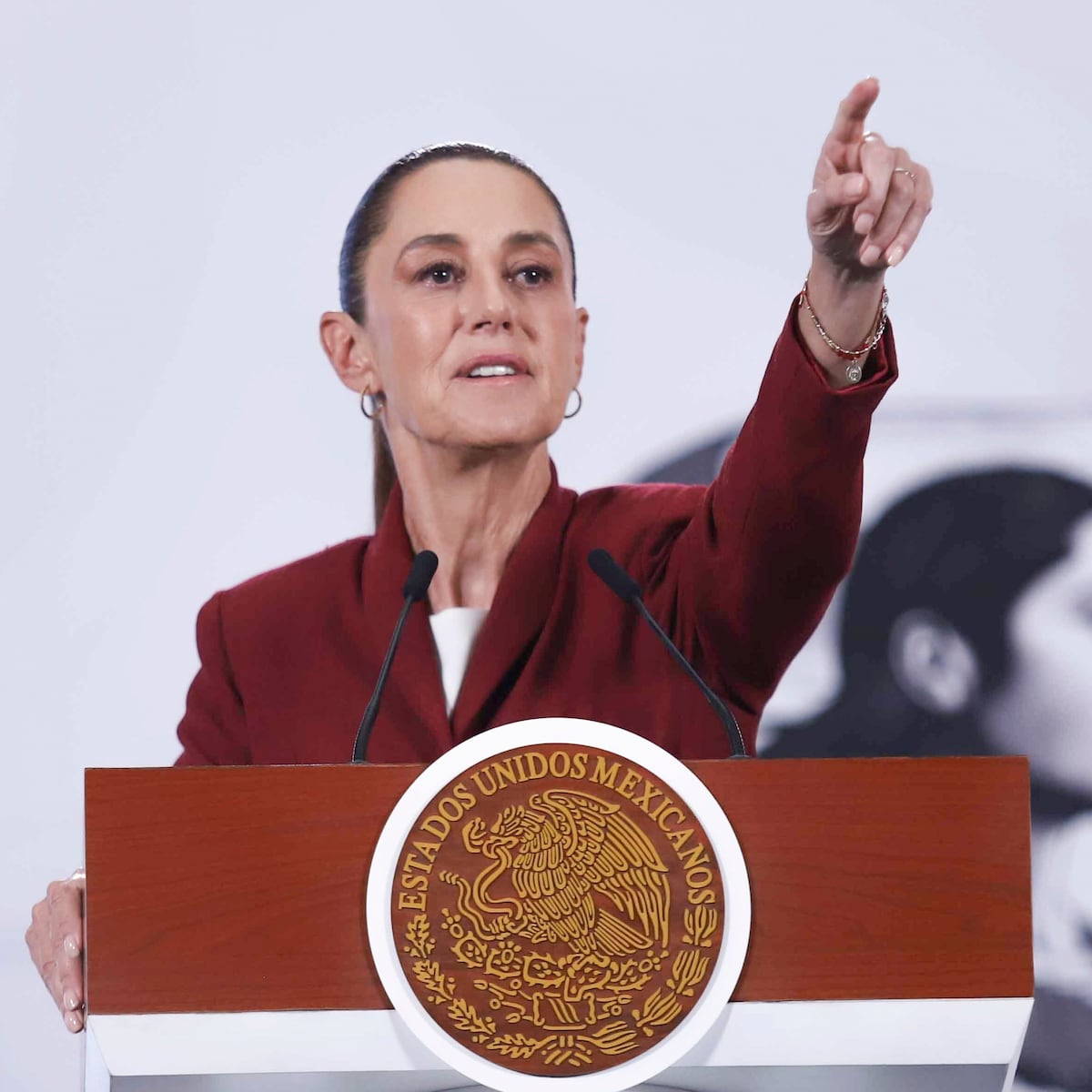
Sheinbaum, speaking at her regular morning press conference on March 17, 2026, described the King’s statement as a “gesture of rapprochement” and expressed hope that it would pave the way for further dialogue. She emphasized the importance of recognizing the “excesses and exterminations” that occurred during the Spanish arrival in the Americas. This positive response suggests a willingness on the part of the Mexican government to engage in constructive discussions with Spain, despite lingering reservations.
Beyond Words: “Soft Power” and Diplomatic Maneuvering
The shift in tone from Spain appears to be part of a broader strategy to improve relations with Mexico. Prior to King Felipe VI’s remarks, several symbolic gestures signaled a potential thaw. The awarding of the Princess of Asturias Prizes to Mexican photographer Graciela Iturbide and the Museo Nacional de Antropología in Mexico were seen as early attempts to rebuild connections. These awards, recognizing excellence in cultural and artistic fields, served as a subtle acknowledgment of Mexico’s rich heritage.
Spanish Foreign Minister José Manuel Albares in October 2025 characterized colonization as an “injustice,” a statement that laid the groundwork for the King’s subsequent remarks. This shift in language from a senior government official indicated a growing willingness within Spain to confront the uncomfortable truths of its colonial past. Events like the Guadalajara International Book Fair and FITUR (the International Tourism Fair) have also served as informal platforms for diplomatic engagement, fostering dialogue and cultural exchange between the two countries.
The timing of these developments is noteworthy. With López Obrador having concluded his presidency in 2024, and Sheinbaum now at the helm, Spain may see an opportunity to reset the relationship with Mexico under new leadership. Sheinbaum, while maintaining her predecessor’s stance on the need for acknowledgment of historical wrongs, has also signaled a desire for pragmatic cooperation with Spain on issues of mutual interest, such as trade and security.
Looking Ahead: Continued Dialogue and Potential for Reconciliation
While King Felipe VI’s remarks represent a positive step, significant challenges remain. Mexico continues to seek a formal apology from Spain, and the issue of reparations for historical injustices remains unresolved. The path towards full reconciliation will likely be long and complex, requiring sustained dialogue and a willingness from both sides to address deeply rooted grievances. The question of how to acknowledge the suffering of indigenous communities and address the ongoing legacy of colonialism will be central to this process.
The coming months will be crucial in determining whether this “gesture of rapprochement” translates into a more substantive improvement in relations. Further diplomatic engagements, potentially including a state visit by King Felipe VI to Mexico, could help to build trust and foster a more constructive dialogue. The focus will likely be on identifying areas of common ground and developing joint initiatives that address shared challenges. The success of this effort will depend on the ability of both countries to move beyond historical grievances and forge a new partnership based on mutual respect and understanding.
As of March 18, 2026, no further official statements have been released regarding planned meetings or negotiations between the two governments. However, diplomatic sources suggest that discussions are underway to explore potential avenues for cooperation on cultural preservation, economic development, and environmental protection. The next key event to watch will be the response from indigenous communities in Mexico to King Felipe VI’s remarks, as their perspectives will be crucial in shaping the future of this evolving relationship.
Key Takeaways:
- King Felipe VI acknowledged “abuses” and “exterminations” during the Spanish conquest of the Americas, a departure from previous statements.
- Mexican President Claudia Sheinbaum welcomed the remarks as a “gesture of rapprochement.”
- The shift in tone from Spain follows years of strained relations stemming from Mexico’s demand for a formal apology.
- Several symbolic gestures, including cultural awards and statements from Spanish officials, preceded the King’s remarks.
- The future of the relationship will depend on continued dialogue and a willingness to address historical grievances.
What are your thoughts on this developing story? Share your comments below and let us know how you think this diplomatic shift will impact relations between Spain and Mexico.
Worth a look