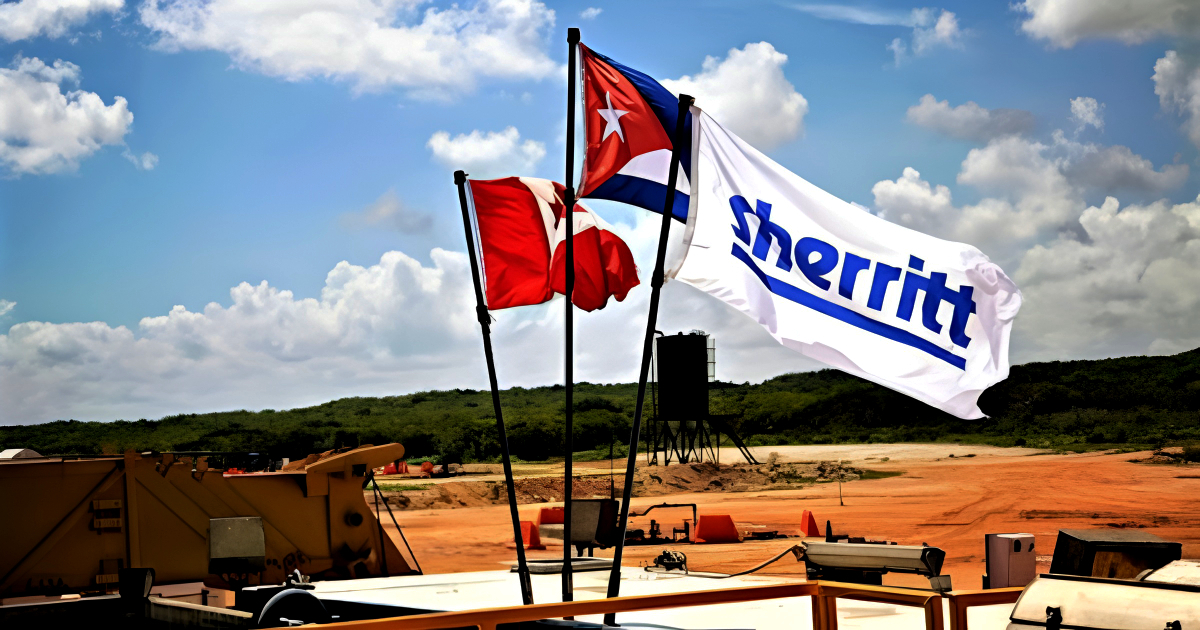
Canadian mining giant Sherritt International has paused its planned exit from Cuba’s nickel and cobalt operations, acknowledging that new US sanctions under the Trump administration pose “grave risks” to its global supply chain—but the company’s ability to sustain production beyond mid-2026 remains in serious doubt.
In a statement released Tuesday, May 19, 2026, Sherritt confirmed it had suspended its earlier announcement of withdrawing from its Cuban joint ventures, which had been triggered by the latest wave of US economic restrictions targeting Cuba. The company now faces a precarious balancing act: maintaining operations in Cuba while navigating an increasingly hostile regulatory environment that threatens its long-term viability in the island nation.
The reversal comes as global nickel markets tighten, with Indonesia—already the world’s largest supplier—cutting mining permits by nearly 30% in 2026 and Australia’s diesel shortages forcing smaller operations to scale back. Sherritt’s Moa joint venture in Cuba, which produces nickel and cobalt for global markets, now sits at the center of these disruptions, with its Canadian refinery’s feedstock inventory expected to last only until about mid-June unless alternative solutions are found.
Sherritt’s operations in Cuba are centered on the Moa Joint Venture, a 50-50 partnership with Cuba’s General Nickel Company S.A. (GNC), which mines lateritic ore and processes it into mixed sulfides containing nickel and cobalt. These materials are then transported to Sherritt’s Fort Saskatchewan refinery in Alberta, Canada, for further processing before being sold primarily to markets in Europe, Japan, and China. The venture has been operational for decades, with concessions planned to last until at least 2034 under current depletion rates.
Why Sherritt’s Decision Matters for Global Nickel Supply
Sherritt’s initial announcement of suspending operations in Cuba—later paused—highlighted the fragility of the global nickel supply chain. The company’s exit would have removed a critical source of feedstock for its Canadian refinery, which processes material from Cuba into finished nickel and cobalt products. With Indonesia accounting for roughly 65% of global nickel supply, any disruption in Cuba would compound existing tensions in the market.
Indonesia’s decision to reduce its 2026 ore mining permits from 379 million wet tonnes in 2025 to 250–260 million wet tonnes has already sent shockwaves through the industry. This reduction alone could tighten supply by nearly 30%, and when combined with Cuba’s potential exit, the market faces a dual threat. Indonesian nickel processors rely on the Middle East for about 75% of their sulfur—a key input for hydrometallurgical processing—further exposing vulnerabilities in the supply chain.
Australian Mining Sector Also Under Pressure
Australia, another major nickel producer, is grappling with diesel shortages and higher fuel costs due to disruptions in global oil-product flows. The country imports 84% of its petroleum products, with diesel stockpiles dropping to about 30 days of supply. This has forced some smaller mining operations to scale back production, adding another layer of uncertainty to an already strained market.
Sherritt’s Cuban Operations: A Critical but Vulnerable Link
Sherritt’s Moa Joint Venture is not just an economic lifeline for Cuba but also a cornerstone of the company’s global operations. The venture’s suspension of direct participation—initially announced but now paused—reflects the complex interplay between geopolitical tensions and corporate strategy. While Sherritt has not confirmed a definitive timeline for its Cuban operations, the company’s warning of “grave risks” suggests that the situation remains fluid and highly dependent on the evolution of US sanctions.

Cuba, for its part, stands to lose one of its most important foreign investors. Sherritt has been a key player in the island’s economy, contributing significantly to its hard-currency exports through nickel and cobalt sales. The company’s potential exit—or even a prolonged curtailment of operations—could force Cuba to seek alternative processing routes for its ore, further complicating an already challenging economic landscape.
What Happens Next?
Sherritt’s pause on its Cuba exit does not resolve the underlying issues. The company’s Fort Saskatchewan refinery, which processes the Cuban feedstock, faces a critical inventory deadline of mid-June 2026. Without new supplies or alternative processing arrangements, the refinery’s operations could be disrupted, sending ripple effects through global nickel markets.

Key stakeholders—including Cuban officials, Indonesian miners, and European refiners—are closely monitoring the situation. The next critical checkpoint will be the availability of new feedstock supplies by mid-June, as well as any further developments in US-Cuba relations that could either ease or tighten sanctions. Sherritt has not yet provided an updated timeline for its Cuban operations, but industry analysts expect the company to continue assessing its options in the coming weeks.
Expert Analysis: The Broader Implications
According to industry observers, Sherritt’s decision underscores the growing fragility of the global nickel supply chain, which is already under pressure from environmental regulations, geopolitical tensions, and resource nationalism. The company’s pause on its Cuba exit may buy time, but it does not eliminate the risks posed by US sanctions or the broader market disruptions affecting nickel production worldwide.
“This is a classic case of geopolitical risk meeting supply chain vulnerability,” said Leon Binedell, Sherritt’s Chairman, President, and CEO. “Our priority is to ensure the stability of our operations while navigating an increasingly complex regulatory environment. However, the challenges we face in Cuba are not isolated—they are part of a larger trend affecting the entire nickel industry.”
Key Takeaways
- Sherritt pauses Cuba exit: The company has suspended its earlier announcement of withdrawing from its Cuban joint ventures, citing “grave risks” from new US sanctions.
- Inventory deadline looms: Sherritt’s Canadian refinery faces a critical feedstock shortage by mid-June 2026 unless alternative supplies are secured.
- Global nickel market under strain: Indonesia’s reduced mining permits and Australia’s diesel shortages are compounding supply chain disruptions.
- Cuba’s economic stakes: Sherritt is one of Cuba’s most important foreign investors, contributing significantly to its hard-currency exports through nickel and cobalt sales.
- Uncertain future: The next critical checkpoint is mid-June 2026, when Sherritt’s refinery inventory is expected to deplete unless new solutions are found.
What You Can Do
For readers interested in tracking developments, Sherritt International’s official statements and regulatory filings are available on its website. The company’s latest updates on its Cuban operations can be found in its investor relations section, while industry analyses are available through major commodity trading platforms and financial news outlets.

As the situation evolves, we will continue to monitor updates from Sherritt, Cuban authorities, and global nickel market analysts. Your insights and questions are welcome—share your thoughts in the comments below or on our social media channels.
Keep reading
- The Mystery of Golfer Jesslyn Wijaya’s Disappearance: Full Story and Latest Updates
- Sr Product Applications Specialist – Thermo Fisher Scientific – Austin, TX
- At typically tranquil Camp David, Trump publicly lashes out at political enemies (archyworldys.com)
- Trump’s Pressure on the Fed: The Battle Over Interest Rate Cuts (archynewsy.com)