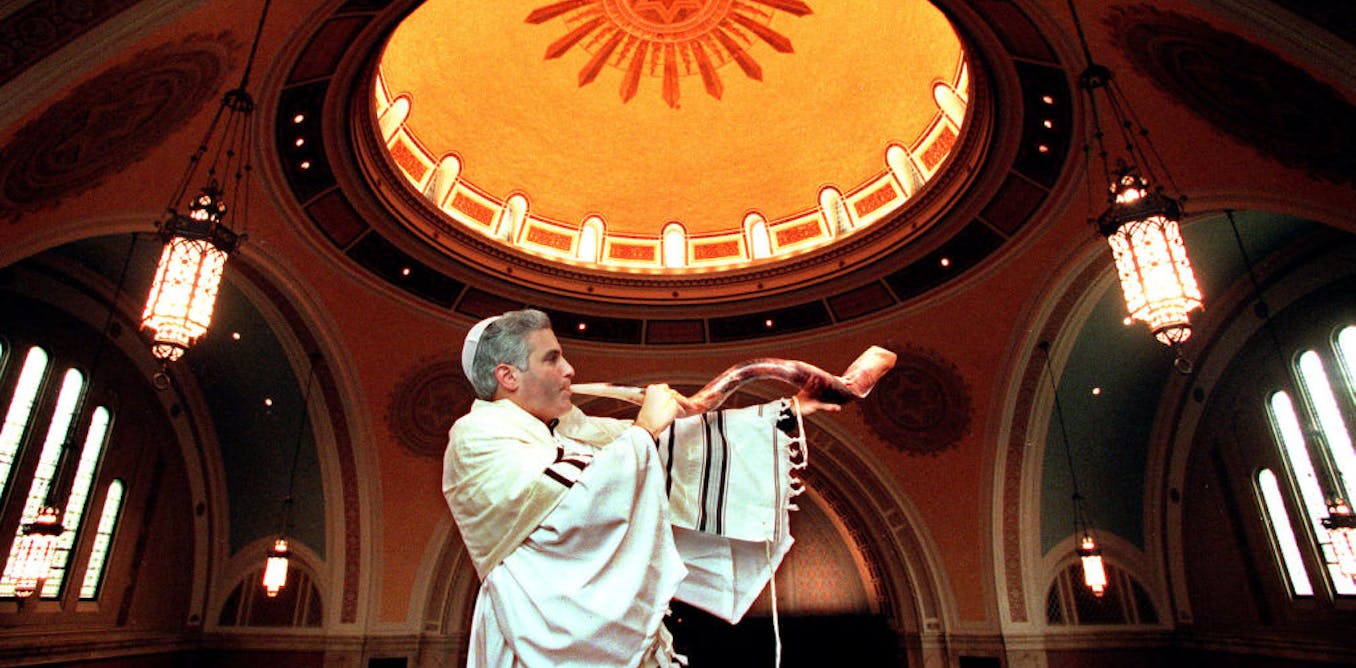
Teh Shofar: A Call to Reflection and Renewal
The piercing sound of the shofar is arguably the most iconic auditory experience of the Jewish High Holidays – Rosh Hashanah and Yom Kippur. But beyond its recognizable blast, lies a rich history and profound symbolism that invites you to a journey of introspection and spiritual preparation. This article delves into the origins, regulations, and deeper meaning behind this ancient instrument.
What is a Shofar?
Essentially, a shofar is a ram’s horn used for religious purposes. However, the rules surrounding its use are surprisingly specific. Rabbis have traditionally ruled against using horns from cattle, as the biblical term for a horn, “keren,” doesn’t apply to cows.
Furthermore, the use of a bull’s horn is discouraged due to its association with a pivotal, and ultimately regrettable, moment in Jewish history: the sin of the Golden Calf.
the Golden Calf and its Significance
God liberated the Israelites from slavery in Egypt and offered to reveal his law through Moses, establishing an everlasting covenant. He dramatically demonstrated his power on Mount Sinai with thunder, lightning, fire, and – crucially – shofar blasts, leaving the people in awe.
They initially affirmed their commitment to God’s law, including the prohibition against idol worship. Yet, while Moses was on the mountaintop, fear and a desire for immediate spiritual connection led the Israelites to construct and worship a golden calf, a bovine idol. This act of disobedience nearly resulted in the people’s destruction, averted only by Moses’s appeal to God’s promise to Abraham.
the Etymology of “Shofar”
The word “shofar” itself has captivating roots.Its believed to originate from the Akkadian word “šappāru,” used in the ancient Near East to describe various animals like rams, deer, or wild goats.
interestingly, rabbinic commentary also connects “shofar” to the Hebrew concept of beauty and improvement. This suggests the shofar’s sound is meant to inspire you to refine your soul and align your actions with your values.
Regulations and Acceptable Shofar Materials
To be considered kosher for ritual use, a shofar must meet certain criteria.It must be:
* Curved: A straight horn is not acceptable.
* Hollow: The horn must be entirely hollow.
* From a Kosher Animal: It must come from a permitted animal, such as a ram, mountain sheep, or antelope.
These regulations ensure the shofar remains a sacred object, steeped in tradition and reverence.
The Shofar’s Call to Action
Hearing the shofar during the High Holidays isn’t merely a passive experience. It’s a deliberate call to spiritual inventory. The sounds are designed to:
* Awaken your soul: The shofar’s blast breaks through complacency and stirs your inner consciousness.
* Inspire repentance: It prompts you to reflect on the past year, acknowledge shortcomings, and commit to positive change.
* Renew your commitment: It encourages you to plan for the future, aligning your path with your highest values.
Ultimately, the shofar serves as a powerful reminder of your potential for growth, renewal, and a deeper connection to the divine. It’s a sound that resonates not just in your ears,but within your heart and soul.