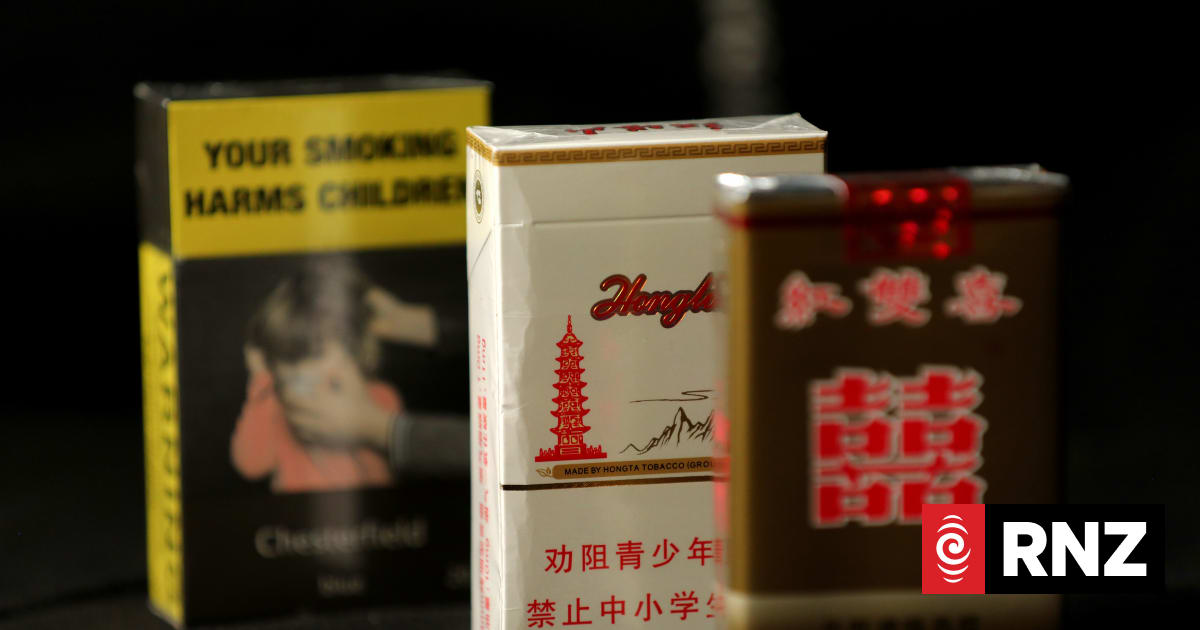
Governments worldwide are increasingly evaluating whether lowering excise taxes on legal tobacco products could effectively diminish the illicit tobacco trade and the associated criminal activity. While public health organizations typically advocate for higher taxes to curb smoking rates, some policymakers and industry analysts argue that excessive price gaps between legal and black-market cigarettes incentivize organized crime and undermine tax revenue collection.
The illicit tobacco trade refers to the production, import, or sale of tobacco products that bypass legal regulatory frameworks and tax obligations. According to the World Health Organization (WHO), illegal trade poses significant health and economic risks, as it evades established health warnings and price-based consumption controls. The central debate pits the “price elasticity” theory—which suggests higher prices reduce smoking—against the “criminal displacement” theory, which posits that high taxes create a lucrative market for smuggling and counterfeit goods.
The Economic Argument for Tax Adjustment
Proponents of tax reform argue that when the price difference between legal and illicit tobacco exceeds a certain threshold, consumers migrate toward the black market. Research from the Organisation for Economic Co-operation and Development (OECD) indicates that illicit trade thrives in jurisdictions where tax policies fail to account for the purchasing power of the population or the logistical ease of smuggling. By lowering the tax burden, the retail price of legal cigarettes theoretically becomes more competitive with illicit alternatives, potentially starving criminal enterprises of their profit margins.

This approach remains highly controversial. Public health advocates, such as those at the Tobacco Atlas, maintain that any reduction in tobacco taxes is counterproductive to global health goals. They argue that the tobacco industry often uses the “illicit trade” argument as a lobbying tactic to prevent tax hikes, rather than as a genuine strategy to address organized crime. The WHO Protocol to Eliminate Illicit Trade in Tobacco Products emphasizes that enforcement, tracking, and tracing systems are more effective tools than tax reduction.
Link Between Smuggling and Violent Crime
The illicit tobacco trade is frequently linked to broader criminal networks. Law enforcement agencies in various regions have identified that the same distribution channels used for tobacco smuggling are often utilized for narcotics, firearms, and human trafficking. According to Europol’s Serious and Organised Crime Threat Assessment, the high profit margins and relatively low penalties for tobacco smuggling make it an attractive revenue stream for organized crime groups.
Violence often emerges during turf wars over smuggling routes or in confrontations between criminal gangs and law enforcement. In some jurisdictions, the lack of a “level playing field” in the tobacco market allows these groups to gain a foothold in local economies. Policymakers who support tax adjustments argue that by bringing the market back into the legal fold, governments can reduce the need for violent enforcement actions and regain control over the distribution chain.
Regulatory Challenges and Future Policy
Implementing a tax reduction strategy involves significant political and logistical hurdles. Governments must balance the potential for increased tax volume against the risk of rising smoking prevalence. Furthermore, the WHO Framework Convention on Tobacco Control (FCTC) provides a binding international treaty that encourages parties to increase tobacco taxes as part of comprehensive tobacco control policies. Deviating from these international standards can lead to diplomatic complications and criticism from international health bodies.
Current efforts to combat the black market are increasingly focused on technology rather than tax adjustments. This includes the implementation of “track and trace” technology, which allows authorities to monitor the movement of tobacco products from the manufacturer to the final point of sale. As reported by the United Nations Office on Drugs and Crime (UNODC), these systems are designed to ensure that all taxes are paid and that products are not diverted into the illicit market.
Key Considerations for Policymakers
- Market Analysis: Determining if the illicit market share is a result of tax-driven price sensitivity or poor enforcement of borders and supply chains.
- Fiscal Impact: Calculating whether a potential increase in legal sales volume would offset the loss in revenue per pack caused by a lower tax rate.
- Public Health Integration: Assessing whether tax adjustments can be paired with other harm-reduction or cessation initiatives to prevent an overall increase in tobacco consumption.
- Enforcement Cooperation: Strengthening inter-agency and international cooperation to disrupt the criminal syndicates that facilitate the trade.
As of late 2024, no major jurisdiction has successfully implemented a broad, long-term policy of lowering tobacco taxes specifically to combat smuggling. Instead, most governments continue to rely on a mix of high taxation, strict border controls, and international legal frameworks to manage the trade. The next major update on global efforts will likely occur during the upcoming sessions of the Conference of the Parties (COP) to the WHO FCTC, where delegates will review the effectiveness of current anti-smuggling protocols and discuss potential revisions to global tobacco control strategies.
Readers interested in following official updates on these policies can monitor the WHO FCTC official website for reports on upcoming hearings and policy guidance. Share your thoughts on the balance between taxation and enforcement in the comments below.