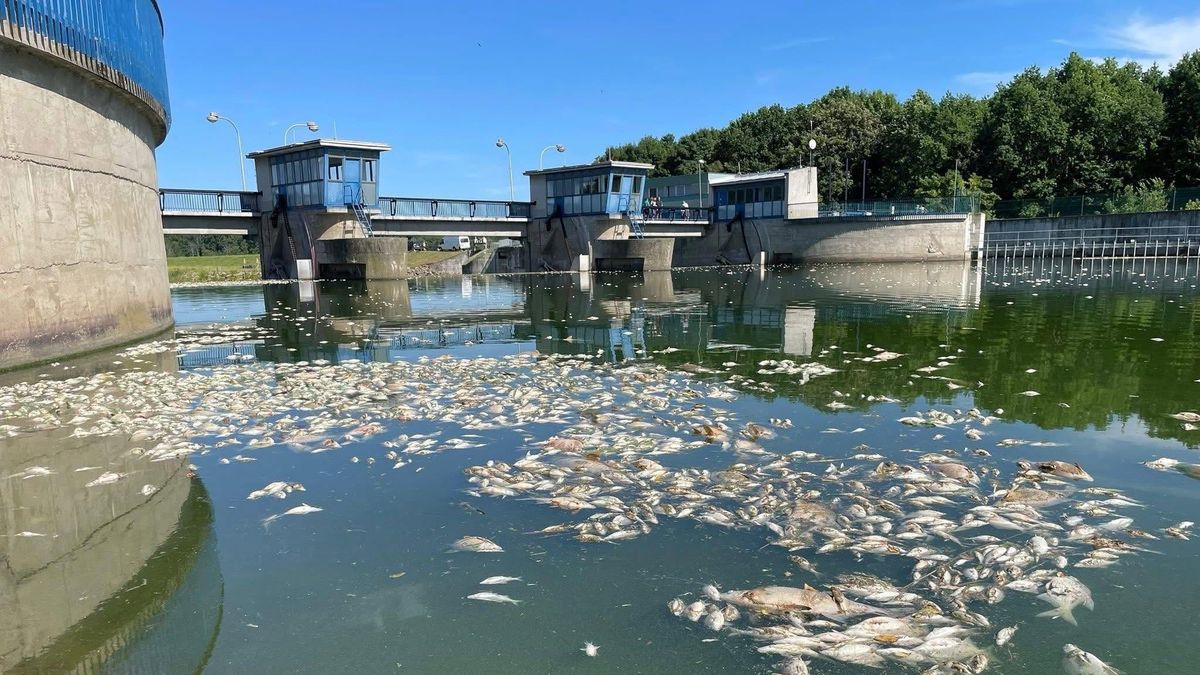
Environmentalists and water management officials in the Czech Republic are locked in a intensifying dispute over whether to drain the lower reservoir of the Nový Mlýn system following reports of massive fish kills and persistent cyanobacteria blooms. While ecologists argue that restoring the natural flow of the Dyje river is the only way to stop ecological collapse, water managers warn that removing the reservoir would jeopardize regional water security and flood protection.
The conflict centers on the lower Nový Mlýn reservoir, part of a three-reservoir system in South Moravia. According to reports from Seznam Zprávy and iROZHLAS, the area has suffered from recurring “massive fish kills” linked to oxygen depletion and toxic cyanobacteria. Ecologists, including expert Chytrý, state that increasing the flow of water through the lower reservoir would significantly reduce the prevalence of these blooms by preventing the stagnation that allows toxins to accumulate.
Opponents of the drainage, including water management authorities and some scientists cited by PRÍRODA.cz, argue that the reservoirs serve critical functions that cannot be easily replaced. These functions include irrigation for regional agriculture and acting as a buffer against flooding. The debate has shifted from a technical discussion to a broader ideological clash over whether the region should prioritize artificial water storage or the restoration of a natural riverine ecosystem.
Ecological Arguments for Draining the Lower Reservoir
Proponents of the drainage argue that the current state of the lower Nový Mlýn reservoir is an ecological failure. Geographers and ecologists cited by iDNES.cz suggest that the reservoir has become a “nutrient trap,” where phosphorus and nitrogen accumulate, fueling the growth of cyanobacteria. These blooms deplete oxygen levels in the water, leading to the large-scale death of fish populations.
Ecologist Chytrý has stated that “zprůtočnění” (increasing the flow/through-flow) of the lower reservoir is necessary to break this cycle. By allowing the Dyje river to behave more like a natural waterway, the system would flush out pollutants more effectively. Some proponents suggest that the surrounding “lužní les” (alluvial forest) could actually absorb and manage more water naturally than the artificial reservoir, potentially mitigating the loss of storage capacity.
The ecological perspective posits that the current management strategy only masks the symptoms of pollution rather than treating the cause. By maintaining a static body of water, the authorities are essentially maintaining a breeding ground for toxins that affect not only fish but also local wildlife and human visitors who use the area for recreation.
Water Management Concerns and Flood Protection
Water management officials have expressed alarm at the proposal to drain the system. According to Novinky, these authorities view the reservoirs as essential infrastructure. The primary concern is the loss of water volume available for irrigation during dry periods, which would directly impact the agricultural productivity of the South Moravian region.
Further arguments against the drainage, detailed by PRÍRODA.cz, emphasize the role of the reservoirs in flood mitigation. The reservoirs act as retention basins that can hold vast quantities of water during heavy rainfall or spring thaws, preventing the Dyje river from overflowing into downstream communities. Critics of the ecological plan argue that removing this buffer could increase the risk of catastrophic flooding in the valley.
There is also the issue of sediment. Water managers warn that decades of accumulated sludge at the bottom of the reservoir contain concentrated pollutants. If the reservoir were drained rapidly or improperly, these sediments could be washed downstream, potentially causing a secondary environmental disaster in the river system.
Comparing the Proposed Solutions
The disagreement manifests as two fundamentally different visions for the Dyje river basin. The following table outlines the core arguments from both sides of the dispute:
| Perspective | Primary Goal | Proposed Action | Perceived Risk |
|---|---|---|---|
| Ecologists | Ecological Restoration | Drain lower reservoir / restore river flow | Permanent loss of biodiversity if no action is taken |
| Water Managers | Resource Stability | Maintain existing reservoir levels | Increased flooding and agricultural water shortages |
While ecologists view the “lužní les” as a viable alternative for water retention, water managers maintain that the capacity of a natural forest cannot match the precise, controlled volume of a concrete dam system.
Impact on Local Biodiversity and Public Health
The immediate consequence of the current stalemate is the continued degradation of the water quality. The fish kills reported by Seznam Zprávy are not isolated incidents but part of a recurring pattern. When cyanobacteria bloom, they release hepatotoxins and neurotoxins that are lethal to aquatic life and dangerous to dogs and humans.
Public health advisories are frequently issued for the Nový Mlýn area during the summer months, warning visitors against swimming or allowing pets to drink the water. This has created a paradox where a major recreational site becomes a health hazard for several months of the year. The ecologists argue that the “massive” nature of the fish kills proves that the system has reached a tipping point where the cost of inaction exceeds the cost of draining the reservoir.
The debate also extends to the European Union’s Water Framework Directive, which mandates the achievement of “good ecological status” for all surface waters. Critics of the current management argue that the lower Nový Mlýn reservoir will never meet these standards as long as it remains a stagnant pond, potentially putting the Czech Republic in breach of EU environmental mandates.
The next critical checkpoint in this dispute will be the upcoming review of the basin management plans by the state environmental authorities, which will determine if the lower reservoir’s operational parameters must be changed to prioritize ecological flow over water storage. Residents and stakeholders are encouraged to follow official updates from the Ministry of the Environment regarding the Dyje river basin.
Do you believe ecological restoration should take precedence over artificial water storage in flood-prone areas? Share your thoughts in the comments below.
Related reading