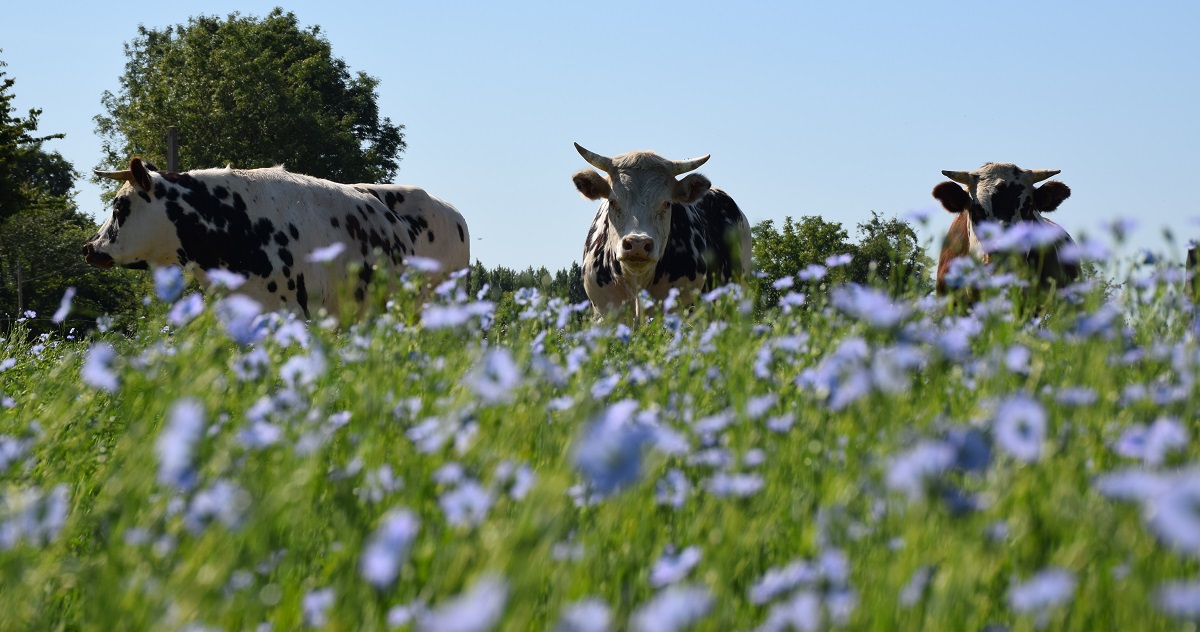
The global conversation around meat consumption has shifted from a simple debate over health to a complex discussion on systemic sustainability. For years, the prevailing medical and environmental advice has centered on the idea that eating less meat is the primary solution to reducing our ecological footprint and improving public health. However, a growing body of perspective suggests that simply reducing the quantity of meat on our plates may not be enough. instead, we must fundamentally rethink livestock farming to ensure a sustainable food system.
As a physician and health journalist, I have seen how the discourse often swings between two extremes: the complete demonization of animal proteins and the dismissal of environmental concerns. The reality is more nuanced. The impact of meat on human health and the planet is not determined solely by the presence of meat in a diet, but by the methods of production, the quality of the livestock, and the balance of the overall nutritional intake.
This shift toward repenser l’élevage pour une alimentation (rethinking livestock farming for nutrition) acknowledges that industrial farming practices—rather than the act of eating meat itself—are often the root of the problem. From the overuse of antibiotics to the carbon intensity of factory farms, the systemic issues of the meat industry require a structural overhaul if we are to maintain a healthy population and a viable planet.
Understanding the intersection of agriculture and medicine is critical. When we discuss the health implications of meat, we are not just talking about saturated fats or processed nitrates; we are talking about the nutritional density of the food, the stability of the food chain, and the public health risks associated with intensive animal husbandry.
The Health Paradox: Nutrient Density vs. Industrial Processing
One of the most persistent questions in modern nutrition is whether meat should be eliminated entirely to maintain health. The answer is rarely a simple “yes” or “no.” Meat provides essential nutrients—such as Vitamin B12, iron, and high-quality protein—that can be more difficult to obtain in optimal forms from plant-based sources alone. However, the health profile of meat varies wildly depending on how the animal was raised.
Industrialized livestock farming often prioritizes yield and speed over animal welfare and nutritional quality. This results in meat that may be lower in omega-3 fatty acids and higher in inflammatory markers compared to grass-fed or pasture-raised alternatives. The reliance on prophylactic antibiotics in industrial settings contributes to the global rise of antimicrobial resistance, a critical public health threat that extends far beyond the dinner table.
Conversely, some scientific discussions have explored whether certain types of meat consumption could be linked to different health outcomes. While processed meats are widely recognized as carcinogenic by the World Health Organization, the relationship between unprocessed red meats and long-term health remains a subject of rigorous study, with some researchers investigating the complex role of animal proteins in preventing certain types of deficiency-related illnesses.
Beyond Reduction: The Need for Systemic Agricultural Reform
The argument that “eating less meat is not enough” stems from the fact that a small reduction in consumption does not automatically lead to a more sustainable system if the remaining production remains industrial. To truly improve the global food system, the focus must shift toward regenerative agriculture and holistic livestock management.
Regenerative grazing, for example, aims to mimic the natural movements of wild herds, which can help sequester carbon in the soil and improve biodiversity. By integrating livestock into crop rotations and using them to naturally fertilize the land, farmers can reduce the need for chemical fertilizers, which are a major source of water pollution and greenhouse gas emissions.
This approach transforms the animal from a mere commodity into a tool for ecological restoration. When livestock are raised in harmony with the land, the resulting food is typically more nutrient-dense, and the environmental cost is significantly lowered. The goal is not necessarily the eradication of meat, but the eradication of the industrial model that treats animals as machines and the earth as a substrate for chemicals.
Navigating the Meat Debate: Practical Guidance for Consumers
For the global consumer, navigating these conflicting narratives can be overwhelming. The key is to move away from a “binary” mindset—meat vs. No meat—and toward a “quality-first” approach. This involves prioritizing transparency in the supply chain and supporting producers who employ sustainable practices.
When evaluating meat sources, consumers should look for certifications that guarantee pasture-raised or organic standards, which generally indicate a lower reliance on industrial feed and antibiotics. Diversifying protein sources by incorporating legumes, nuts, and seeds helps reduce the overall pressure on the livestock system while ensuring a broad spectrum of micronutrients.
It’s also important to recognize that dietary needs are individual. Factors such as age, activity level, and underlying health conditions dictate the appropriate amount of protein and fat in a diet. A one-size-fits-all approach to “meat reduction” can lead to nutritional gaps if not managed with a professional understanding of dietary requirements.
Key Takeaways for a Sustainable Diet
- Quality Over Quantity: Prioritizing pasture-raised and regeneratively farmed meat over industrial factory-farmed options.
- Systemic Shift: Recognizing that agricultural reform (regenerative grazing) is more impactful than simple consumption reduction.
- Nutritional Balance: Integrating plant-based proteins to reduce ecological pressure while maintaining essential nutrient intake.
- Public Health Focus: Reducing the reliance on industrial antibiotics in livestock to combat antimicrobial resistance.
The path forward requires a collaboration between healthcare providers, policymakers, and farmers. We must move toward a food system where nutrition is not decoupled from ecology. By rethinking how we raise animals, we can create a future where high-quality protein is available without compromising the health of the planet or future generations.
As we await further updates on international agricultural policies and fresh clinical guidelines on protein consumption, the focus remains on supporting sustainable transitions in farming. We encourage readers to share their thoughts on sustainable eating and join the conversation on how we can collectively reshape our food systems.