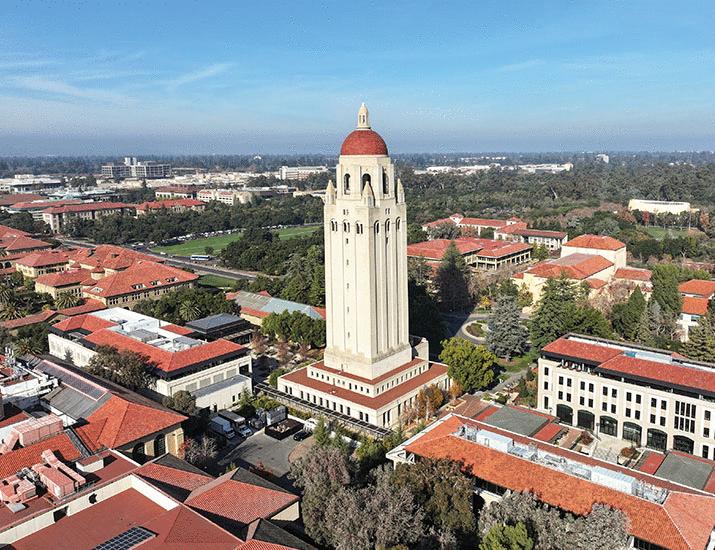
The landscape of academic integrity is often viewed through the lens of institutional oversight and peer-reviewed rigor. However, recent years have demonstrated that the impetus for transparency frequently originates from outside the traditional hierarchies of the academy. Investigative efforts led by student journalists have brought significant attention to the mechanisms of research accountability, particularly within the high-stakes environment of Silicon Valley’s research ecosystem.
When questions of research integrity arise, the implications extend far beyond the laboratory. For the broader scientific community, these inquiries serve as a reminder that the veracity of published data is the cornerstone of public trust in medical and technological innovation. As we examine the intersection of student-led reporting and institutional transparency, it becomes clear that the culture of science is increasingly shaped by those willing to scrutinize foundational claims.
The Evolution of Scientific Accountability
The pursuit of truth in research is not merely an internal administrative function; it is a public interest mandate. In the modern era, the rapid dissemination of findings through digital platforms has necessitated more robust mechanisms for post-publication review. According to the U.S. Department of Health and Human Services Office of Research Integrity, the maintenance of ethical standards in research is a collaborative responsibility that spans institutional review boards, funding agencies, and the researchers themselves.
The role of investigative journalism in this sphere is to act as an external auditor. When researchers or institutions fail to maintain the rigorous standards expected of them, the resulting fallout can impact public policy, clinical practices, and the allocation of research funding. Understanding how these breaches occur—and how they are identified—is essential for any reader concerned with the trajectory of modern science.
Navigating Research Integrity Challenges
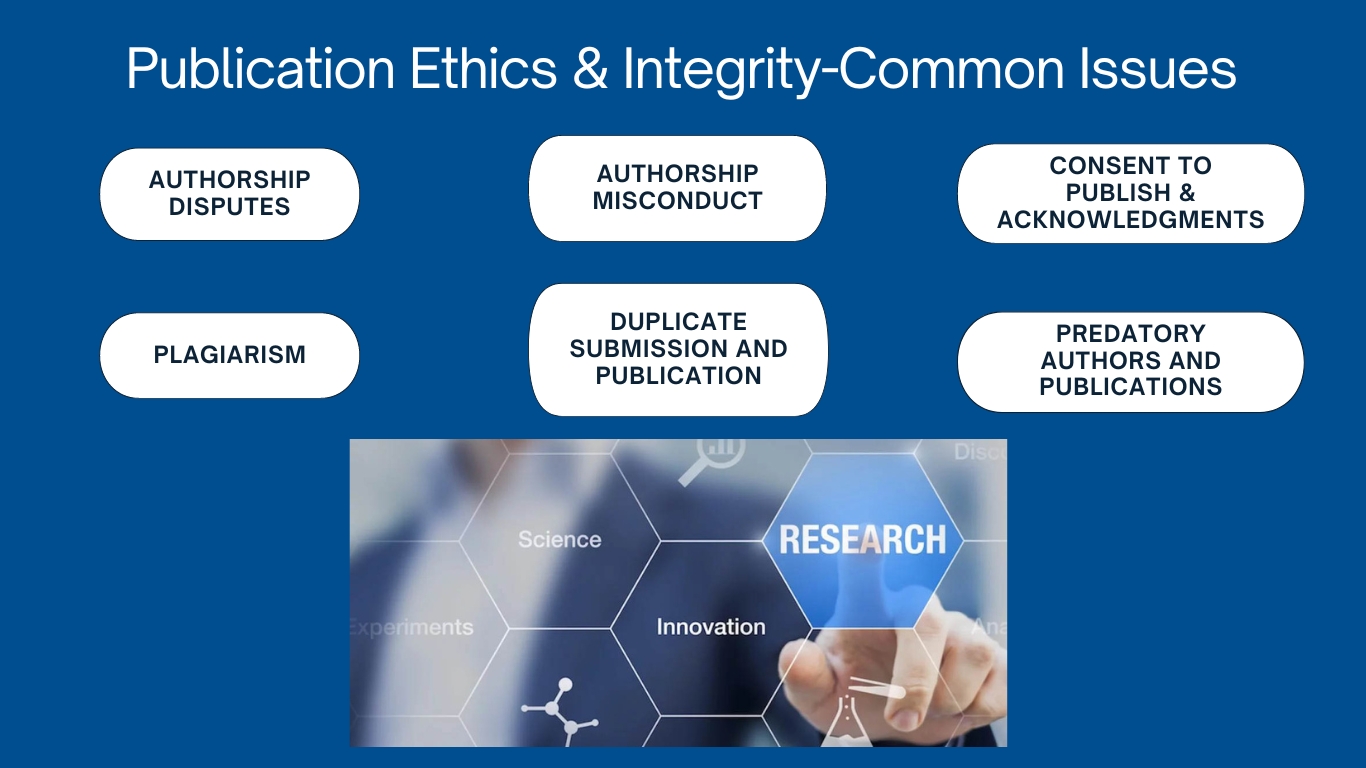
Research integrity involves a complex array of ethical considerations, from data fabrication and falsification to plagiarism. The National Academies of Sciences, Engineering, and Medicine emphasizes that fostering an environment where integrity is prioritized requires proactive cultural shifts rather than merely reactive punitive measures. For students and early-career researchers, the pressure to produce high-impact results can sometimes clash with the slow, methodical process required for reproducible science.
This tension is particularly evident in fields where technological advancements move at a pace that often outstrips the ability of peer-review processes to keep up. When a breach of integrity is exposed, the focus often shifts to the institutional response. Did the university or research center follow established protocols for investigating allegations? Was the response transparent? These questions are vital for maintaining the credibility of academic institutions worldwide.
Key Considerations for Academic Transparency
- Peer Review Limitations: Acknowledging that peer review is a filter for quality, not a guarantee of absolute truth.
- Institutional Responsibility: The mandate for universities to conduct impartial and thorough investigations into research misconduct.
- Data Accessibility: The growing movement toward open science and the sharing of raw data to facilitate independent verification.
- Whistleblower Protections: The necessity of shielding those who report potential misconduct from retaliation.
The Path Forward for Scientific Inquiry
As we look toward the future, the integration of digital tools in detecting anomalies in research data is likely to become more prevalent. Automated screening for image manipulation or statistical inconsistencies is already being piloted by various journals. However, technology alone cannot replace the critical, investigative human element that questions the “why” and “how” behind a scientific claim.
For the scientific community, the focus remains on strengthening the safeguards that protect the integrity of human knowledge. This involves a sustained commitment to transparency, the refinement of institutional policies, and an open dialogue between researchers and the public they serve. As Dr. Helena Fischer, I have observed that the most resilient scientific cultures are those that welcome scrutiny rather than fearing it, understanding that the questioning process is, in itself, a fundamental part of the scientific method.
The next major checkpoint in the broader conversation on research integrity will involve upcoming policy reviews by major national research councils, which are expected to address new guidelines for data management and transparency in the coming year. We invite our readers to share their thoughts on the balance between innovation and oversight in the comments section below.
Keep reading