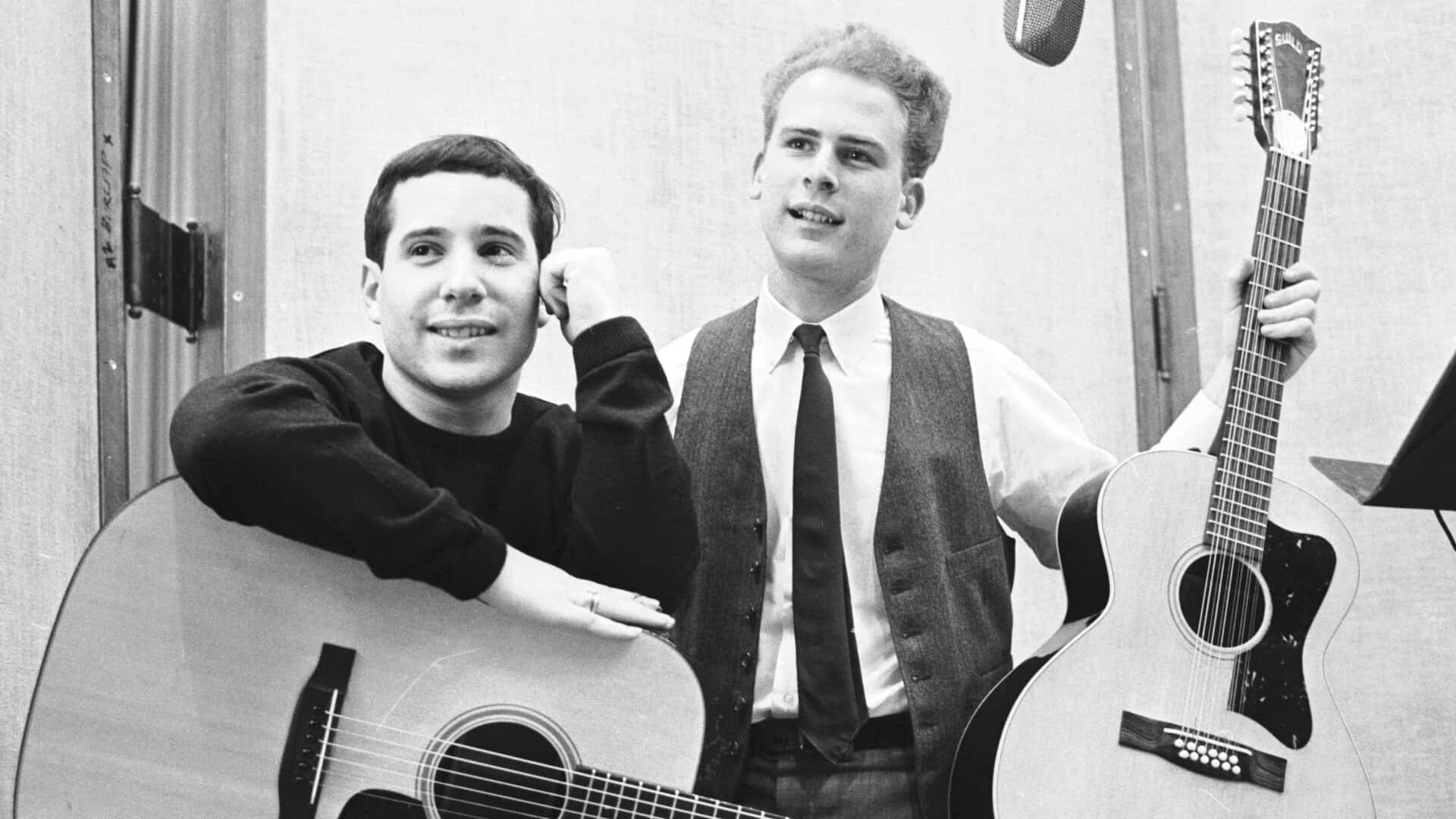
For a generation raised on high-speed internet and algorithmic discovery, the haunting harmonies of 1960s folk might seem like an unlikely obsession. Yet, in Germany, a surprising cultural shift is occurring. The timeless music of Simon & Garfunkel is experiencing a significant resurgence, capturing the attention of Gen Z and Millennial listeners who are trading synthetic beats for the raw, acoustic intimacy of Paul Simon and Art Garfunkel.
This is not merely a nostalgic ripple but a digital wave. From moody TikTok edits to curated Spotify playlists, tracks like The Sound of Silence
and Mrs. Robinson
have become the soundtrack for a new demographic of listeners in Germany. For many 18-to-29-year-olds, these songs offer a sense of emotional authenticity and sonic minimalism that contrasts sharply with the polished production of modern pop music.
The revival is driven by a combination of social media virality and a growing appetite for “slow” culture. In an era of digital saturation, the stripped-back arrangements and poetic depth of the duo’s work resonate with young adults seeking a connection to a more analog, reflective era. The result is a cross-generational bridge where songs written decades ago are suddenly feeling very current in 2026.
The TikTok Effect: How Algorithms Revived Folk Legends
The catalyst for this renaissance has largely been the “For You” page. On TikTok, The Sound of Silence
has seen a massive spike in usage, often paired with cinematic, grainy visuals or dramatic storytelling edits. This trend has transformed the song from a historical artifact into a viral tool for emotional expression, introducing millions of young Germans to the duo’s discography.
According to recent reports, the duo’s classics are booming on streaming platforms and social media
, particularly within the German market. This digital discovery loop—where a 15-second clip leads to a full-track stream on Spotify—has pushed these 60-year-old songs back into the cultural conversation. The appeal lies in the contrast; the starkness of the acoustic guitar and the precision of the vocal harmonies provide a “vibe” that fits the current aesthetic of indie-folk and “cottagecore” trends popular among Gen Z.
Why the Sound Resonates in Modern Germany
The appeal of Simon & Garfunkel in Germany today can be attributed to a search for authenticity. Young listeners are increasingly drawn to music that feels “human” and vulnerable. The lyrical themes of alienation, longing, and social commentary found in the duo’s work mirror the anxieties of a generation navigating a fragmented digital world.
the influence of Simon & Garfunkel extends beyond their own recordings. They blazed the trail for the modern indie-folk movement, influencing a lineage of artists from The Lumineers to Feist. For a young listener in Berlin or Munich discovering the roots of their favorite contemporary indie artists, Simon & Garfunkel represent the gold standard of songwriting and vocal arrangement. Their ability to blend complex poetic lyrics with accessible melodies creates a timeless quality that transcends the specific political climate of the 1960s.
Key Drivers of the 2026 Revival
- Algorithmic Discovery: TikTok trends and Spotify’s discovery algorithms surfacing “classic” tracks to younger demographics.
- Emotional Resonance: A shift toward “authentic” and “raw” sounds as a reaction to over-produced electronic music.
- Aesthetic Alignment: The rise of nostalgic, analog-inspired visual trends (vintage filters, vinyl culture) that pair naturally with folk music.
- Lyrical Depth: Themes of isolation and silence that resonate with the mental health conversations of Gen Z.
From Streaming to the Stage: The Impact of the Revival
The surge in digital popularity has translated into tangible market interest. Reports indicate that Simon & Garfunkel’s music is once again storming the charts in 2026, with a notable increase in streaming numbers across Germany. This revival has even sparked interest in live experiences, with reports of “Revival-Tours” and tribute events seeing high demand, including sold-out venues in cities such as Magdeburg.
The enduring power of the duo’s music is perhaps best exemplified by the longevity of their hits. The Sound of Silence
continues to be a cornerstone of global streaming, maintaining its relevance through various versions and covers. This persistence suggests that while the method of discovery has changed—moving from radio and vinyl to smartphones and algorithms—the fundamental human response to their music remains unchanged.
The Legacy of the “Sound of Silence”
To understand why these songs still “slap” in 2026, one must look at the songwriting. Paul Simon’s ability to craft precise, evocative imagery combined with Art Garfunkel’s ethereal tenor created a sonic signature that is nearly impossible to replicate. In a world of loud, competing noises, the silence
they sang about has become a luxury and a point of fascination for young listeners.
As this trend continues, It’s likely that we will see more “legacy” artists experience similar algorithmic rebirths. However, few possess the specific blend of intellectual rigor and melodic beauty that has allowed Simon & Garfunkel to capture the hearts of a generation born long after their peak years. For the youth of Germany, these are not just “old songs”; they are emotional blueprints for navigating the complexities of the modern age.
While there are no official new studio albums announced by the original duo, the ongoing trend of viral covers and high streaming volumes suggests that the “Sound of Silence” will continue to echo through the playlists of 2026 and beyond.
Do you think classic folk is making a permanent comeback, or is this just another TikTok trend? Share your thoughts in the comments below and let us recognize which legacy artist you’re rediscovering.
Keep reading