
In a rare diplomatic window into the Democratic People’s Republic of Korea (DPRK), Singapore’s Minister for Foreign Affairs, Dr. Vivian Balakrishnan, recently concluded a high-level tour of East Asia that included an official visit to Pyongyang. The trip, which also encompassed diplomatic engagements in South Korea and China, offered a unique, albeit sobering, perspective on the current state of North Korean diplomacy. Through a series of candid social media updates, the minister provided the international community with a rare glimpse into the streets of the North Korean capital, even as he cautioned that the prospects for immediate dialogue remain dim.
For observers of global markets and geopolitical stability, Dr. Balakrishnan’s assessment carries significant weight. As a seasoned diplomat representing a nation that has historically served as a neutral bridge for regional talks—most notably hosting the 2018 summit between the United States and North Korea—his observations reflect a hardening reality. Despite the outward appearance of normalcy captured in his digital dispatches, the underlying message remains clear: the DPRK is not currently prepared for meaningful engagement on its nuclear program or broader regional security concerns.
The visit to Pyongyang serves as a critical checkpoint in the ongoing effort to manage the security architecture of the Korean Peninsula. While the minister’s digital storytelling highlighted the daily atmosphere of the city, his formal discussions underscored the persistent diplomatic impasse that has characterized the region for the better part of three years. Understanding the implications of this stalemate is essential for investors and policymakers alike, as regional volatility continues to influence maritime trade routes, supply chain security, and sovereign risk assessments across the Asia-Pacific region. According to the Singapore Ministry of Foreign Affairs, the visit was part of a broader commitment to maintaining open channels of communication, even when substantive progress remains elusive.
A Diplomatic Pulse Check in Pyongyang
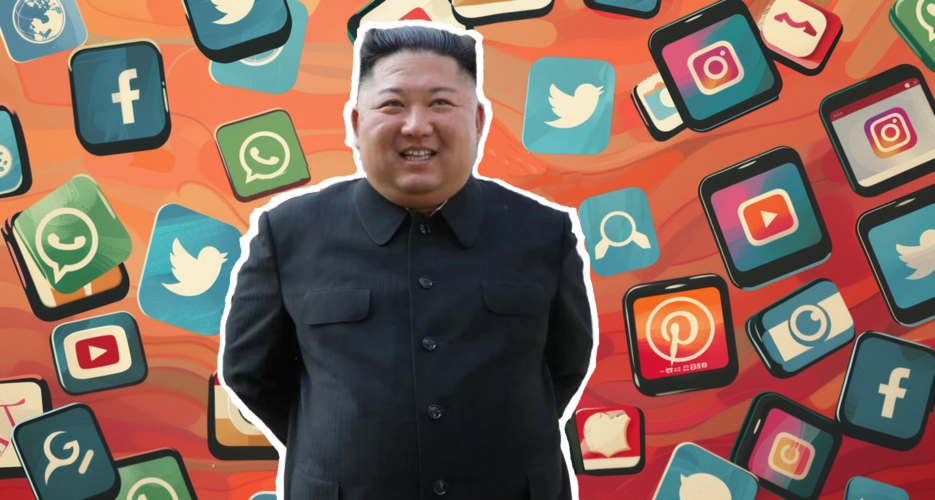
Dr. Balakrishnan’s visit to North Korea followed a series of strategic meetings in Seoul and Beijing, signaling Singapore’s intent to maintain a comprehensive view of the regional power dynamic. The minister’s social media posts, which featured quiet, orderly street scenes in Pyongyang, provided a stark contrast to the often-heated rhetoric that defines the international discourse surrounding the Kim Jong Un regime. However, these visuals were accompanied by a pragmatic diplomatic assessment: the North Korean leadership is currently prioritizing domestic consolidation and military advancement over external negotiations.

This assessment aligns with findings from international monitoring bodies. The International Atomic Energy Agency (IAEA) has consistently reported that North Korea continues to operate its nuclear facilities, suggesting that the regime views its nuclear deterrent as non-negotiable. For the global business community, this signifies that the “geopolitical risk premium” associated with the region is unlikely to dissipate in the near term. Investors should note that the lack of diplomatic momentum often translates into sustained sanctions enforcement, which complicates international commerce and financial transactions involving entities with even tangential links to the DPRK.
The Regional Security Triad
The minister’s itinerary—connecting Singapore, Seoul, Beijing, and Pyongyang—highlights the interconnected nature of East Asian diplomacy. China remains the most significant economic benefactor to North Korea, while South Korea, under the administration of President Yoon Suk Yeol, has adopted a policy of “peace through strength,” emphasizing a robust military alliance with the United States. Singapore’s role in this dynamic is that of a “honest broker,” a position it solidified during the 2018 Singapore Summit.
However, the current climate is markedly different from the optimism of 2018. The U.S. Department of State has maintained that the DPRK’s continued development of ballistic missile technology and its deepening military cooperation with Russia represent a significant threat to global non-proliferation efforts. For the global economy, this means that the “Korean Peninsula risk” is no longer just a regional issue. it is intrinsically tied to the broader security challenges posed by the Russia-Ukraine conflict and the evolving U.S.-China strategic competition.
Key Takeaways for Global Stakeholders
- Diplomatic Stasis: There is currently no verified evidence of a breakthrough in denuclearization talks, with North Korea indicating a lack of interest in resuming dialogue under current conditions.
- Sanctions Compliance: Businesses operating in the Asia-Pacific region must continue to exercise rigorous due diligence regarding sanctions compliance, as the international pressure campaign remains firmly in place.
- Supply Chain Resilience: Geopolitical tensions on the Korean Peninsula remain a tail-risk factor for global logistics, particularly regarding shipping lanes in the East and South China Seas.
- Strategic Alignment: The deepening ties between Moscow and Pyongyang, as reported by various intelligence agencies, continue to complicate the traditional diplomatic leverage held by regional stakeholders.
What Happens Next?
As the international community looks ahead, the focus shifts to the next round of multilateral forums, such as the ASEAN Regional Forum (ARF) and the APEC summit, where regional security is expected to be a primary agenda item. While Dr. Balakrishnan’s visit did not yield a public breakthrough, it served to re-establish a baseline of contact—a vital component of crisis management.
For those tracking these developments, the next significant checkpoint will be the upcoming legislative sessions and high-level policy announcements in Pyongyang, typically held toward the end of the calendar year. These events often provide the clearest signal of the regime’s economic and foreign policy direction for the coming months. We will continue to monitor official statements from the Singaporean Ministry of Foreign Affairs and regional security briefings from the United Nations as they become available.
What are your thoughts on the role of neutral mediators in resolving the North Korean impasse? Share your perspective in the comments section below or join the conversation on our global business forums.
Keep reading