
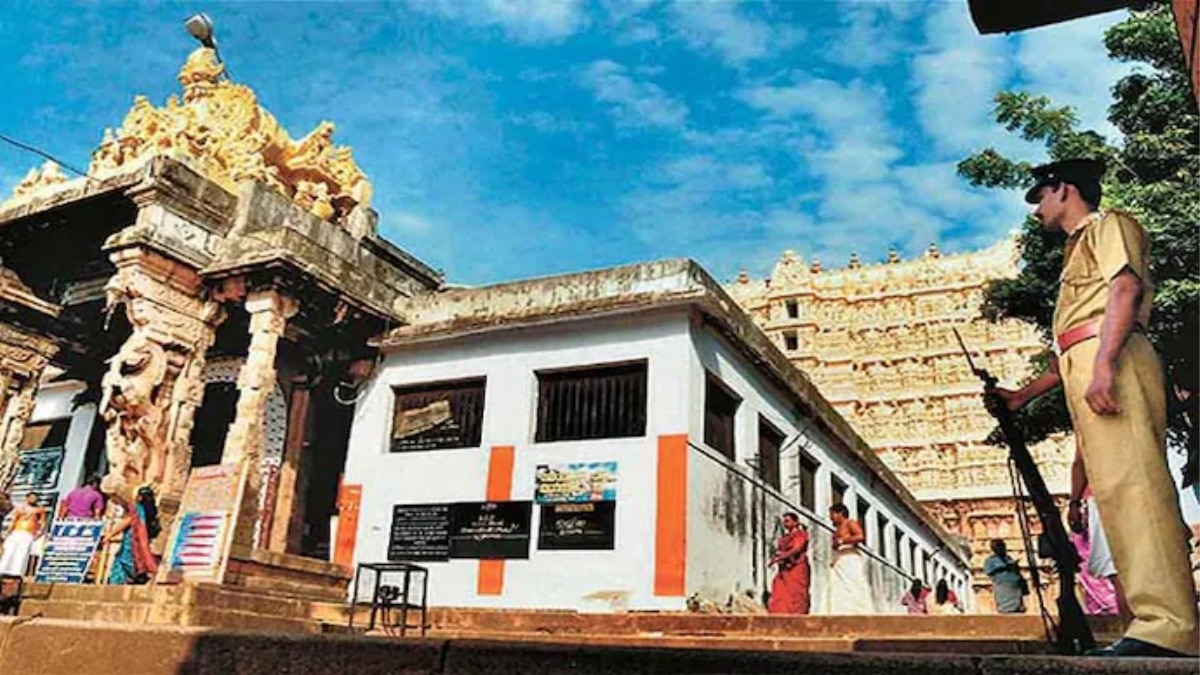
Smart Glasses and Sacred Spaces: The Sree Padmanabhaswamy Temple Recording Incident & Growing Concerns Over Temple Security
The sanctity of religious sites is increasingly challenged in the digital age. A recent incident at the Sree Padmanabhaswamy temple in Kerala, India, highlights this vulnerability. A Singaporean tourist was detained on December 20, 2025, for allegedly using camera-embedded smart glasses to record video within the temple – a location where videography is strictly prohibited. This event raises critical questions about temple security, the evolving nature of surveillance technology, and the balance between personal freedom and preserving sacred spaces.
The Incident: A Breach of Trust & Temple Regulations
The individual, identified as 49-year-old Thiruneepanar, a Singapore resident of sri Lankan origin, entered the temple premises at approximately 9:25 am. He was equipped with smart glasses concealing a camera. Authorities quickly intercepted him after temple security personnel noticed the device.
The FIR registered by the Fort Police cites a violation of Section 223 of the Bharatiya Nyaya Sanhita – disobedience of a lawful order. Thiruneepanar was released with a notice to appear for further inquiry the following morning. This isn’t an isolated occurrence. A similar incident involving a tourist from Gujarat attempting to record within the temple was reported in July of the same year, signaling a potential trend.
* Key Details:
* Location: Sree Padmanabhaswamy Temple, Kerala, India
* Date: December 20, 2025
* Accusation: Illegal videography with smart glasses
* Legal Ramification: Violation of Section 223, Bharatiya Nyaya Sanhita
* Previous Incident: Similar case reported in July 2025
The rise of Covert Recording & Implications for Religious Sites
This incident isn’t simply about one individual’s actions. It’s symptomatic of a broader issue: the increasing accessibility and sophistication of covert recording technology. Smart glasses, wearable cameras, and miniature recording devices are becoming commonplace. This presents a unique challenge for security personnel at sensitive locations like temples, mosques, churches, and other religious sites.
Why are religious sites especially vulnerable?
* High Visitor Volume: Temples ofen attract large numbers of visitors, making consistent monitoring tough.
* Cultural Sensitivity: security measures must be implemented respectfully, avoiding intrusive practices that could offend worshippers.
* Ancient Significance: Many temples house priceless artifacts and possess immense cultural value, making them potential targets for theft or malicious intent.
* Increasing Use of ‘Spy Gadgets’: The proliferation of discreet recording devices like pen cameras and button cameras adds another layer of complexity.
Recent data from the Indian Ministry of Home Affairs (November 2025 report on Security at Religious Sites) indicates a 35% increase in reported incidents involving unauthorized photography and videography at prominent religious locations over the past year. This underscores the urgent need for updated security protocols. Furthermore, a study by the Center for Security and Cyber Law (December 2025) found that 78% of religious institutions lack comprehensive policies addressing the use of recording devices on their premises.
Practical Steps for Enhanced Security:
- Clear Signage: Prominently display clear and concise signage prohibiting photography and videography. Include penalties for non-compliance.
- Enhanced Security Personnel Training: Equip security personnel with training to identify and detect concealed recording devices. Focus on recognizing subtle behavioral cues.
- Technology Integration: Explore the use of advanced detection technologies,such as RF signal detectors and thermal imaging,to identify hidden cameras and recording equipment. (Consider the privacy implications carefully).
- Visitor Screening: Implement discreet visitor screening procedures, such as bag checks and metal detectors, while respecting religious customs.
- Policy Advancement: Create a comprehensive policy outlining the rules regarding photography, videography, and the use of electronic devices within the temple premises.
Addressing Common Concerns:
Many argue that restricting photography and videography infringes on personal freedom. Though, the preservation of sanctity and security frequently enough outweighs individual convenience. Temples are not public spaces in the same way as parks or streets. They are sacred grounds deserving of special protection.
Related Keywords: temple security, religious site security, covert recording devices, smart glasses surveillance, India temple regulations, *Sree Padman


