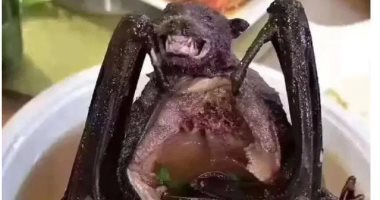
A single amino acid mutation within the spike protein of a bat coronavirus can enable the virus to bind to human ACE2 receptors, facilitating the transition from animal-to-animal transmission to human infection. This genetic change, occurring in the receptor-binding domain (RBD), allows the virus to recognize and enter human cells more effectively, a process known as zoonotic spillover.
Virologists have identified that the capacity for a virus to jump species often hinges on minute structural changes at the molecular level. In the case of coronaviruses, the spike protein acts as the primary mechanism for host cell entry. When a single amino acid within the receptor-binding domain undergoes a mutation, it can fundamentally alter the “fit” between the viral protein and the host cell receptor, potentially turning a virus that is harmless to humans into a significant public health threat.
This mechanism of host-range expansion is a central focus of ongoing genomic surveillance and pandemic preparedness research. By understanding how these micro-mutations occur, scientists aim to predict which animal viruses possess the evolutionary potential to infect human populations.
The Mechanism of Host Jumping: Spike Proteins and ACE2 Receptors
To understand how a single mutation can trigger a pandemic, one must look at the interaction between the viral spike protein and the host’s cellular machinery. Coronaviruses utilize their spike proteins to latch onto specific receptors on the surface of host cells. In humans, the most common target for many coronaviruses, including SARS-CoV-2, is the Angiotensin-Converting Enzyme 2 (ACE2) receptor.
The receptor-binding domain (RBD) is the specific part of the spike protein that makes physical contact with the ACE2 receptor. This interaction is often compared to a lock-and-key mechanism. For a virus to successfully infect a human, the “key” (the RBD) must fit perfectly into the “lock” (the ACE2 receptor). In many bat-borne coronaviruses, the key is shaped for a different lock—one found in bat cells. However, a single amino acid substitution can reshape the surface of the RBD, allowing it to dock with the human ACE2 receptor with high affinity.
According to research published in journals such as Nature, these subtle changes in amino acid sequences can dramatically increase binding affinity. When the binding affinity increases, the virus can enter cells more efficiently, leading to higher viral loads and a greater likelihood of transmission between individuals. This evolutionary leap is often the critical threshold between a localized animal infection and a widespread human outbreak.
Why Bats Remain a Primary Focus for Virologists
Bats are considered one of the most significant natural reservoirs for coronaviruses. This is due to several biological factors, including their unique immune systems and their high degree of viral diversity. Bats can carry a wide array of viruses without showing signs of significant illness, which allows these pathogens to circulate and mutate within their populations for extended periods.
The diversity of coronaviruses found in various bat species, particularly within the Rhinolophus (horseshoe bat) genus, provides a vast “library” of genetic material. As these viruses replicate, they undergo constant natural selection. Most mutations are neutral or even detrimental to the virus, but occasionally, a mutation occurs that enhances the virus’s ability to interact with different host receptors.
The World Health Organization (WHO) has frequently emphasized the importance of monitoring these animal reservoirs. Because bats live in diverse environments and often interact with other species—including humans through trade or habitat encroachment—they represent a high-risk interface for zoonotic spillover. The ability of a virus to undergo a single amino acid change that facilitates human infection makes the continuous study of bat virology a cornerstone of global health security.
From Animal Reservoirs to Human Populations: The Risk Factors
The transition from a bat-borne virus to a human pathogen is rarely an isolated event; it is often the result of complex ecological and social drivers. While the genetic mutation provides the biological capability, several environmental factors provide the opportunity for the jump to occur.

Key risk factors for zoonotic spillover include:
- Habitat Fragmentation: As human development encroaches on natural habitats, the frequency of contact between humans, livestock, and wildlife increases.
- Wildlife Trade: The movement and sale of live animals in unregulated markets can bring diverse species together in high-stress environments, facilitating viral exchange.
- Climate Change: Shifting weather patterns can alter the migratory routes and habitats of various species, bringing new hosts into contact with human populations.
- Agricultural Intensification: Large-scale farming operations can act as “bridge hosts,” where a virus jumps from a wild animal to livestock and then to humans.
When a virus undergoes a mutation that enhances its ability to bind to human ACE2, these ecological pressures act as a catalyst. A virus that might have remained confined to a remote forest can, through a single genetic shift and a single contact event, enter the human population.
Strengthening Global Pandemic Preparedness
The realization that a single amino acid change can alter the course of human history has shifted the focus of global health policy toward “upstream” prevention. Rather than merely reacting to outbreaks, international health bodies are pushing for more robust surveillance and early warning systems.
Current strategies for pandemic prevention include:
Genomic Surveillance: By sequencing the genomes of viruses found in wildlife, scientists can identify “high-risk” mutations before they ever reach a human host. This allows for the development of diagnostic tools and even vaccine candidates in advance of a potential outbreak.
One Health Approach: This integrated approach recognizes that the health of people is closely connected to the health of animals and our shared environment. By monitoring animal health and ecological changes, public health officials can gain a more holistic view of emerging threats.
Improved Biosecurity: Strengthening regulations around wildlife trade and improving biosecurity in agricultural settings can reduce the number of opportunities for viruses to jump between species.
According to the Centers for Disease Control and Prevention (CDC), proactive monitoring of zoonotic threats is one of the most cost-effective ways to prevent future pandemics. The goal is to move from a state of constant reaction to a state of informed readiness.
Frequently Asked Questions
What is an amino acid, and why does it matter for a virus?
Amino acids are the building blocks of proteins. A virus like a coronavirus uses proteins (specifically the spike protein) to interact with its environment. If one amino acid in that protein is replaced by another during mutation, the entire shape and function of the protein can change, potentially allowing it to infect new types of cells.

Can a single mutation really cause a pandemic?
While a pandemic requires several factors—including efficient human-to-human transmission—a single mutation can be the “key” that unlocks the ability for a virus to enter human cells in the first place. Without that initial ability to infect humans, a pandemic cannot begin.
How do scientists track these mutations?
Scientists use a process called genomic sequencing. By taking samples from animals and humans and “reading” their genetic code, they can identify exactly where mutations have occurred and track how a virus is evolving over time.
Is every bat virus a threat to humans?
No. The vast majority of viruses found in wildlife do not have the ability to infect humans. Most mutations are ineffective at crossing species barriers. However, the high diversity of coronaviruses in bats means that the statistical possibility of a “jump-capable” mutation exists.
The next phase of research into these specific viral mutations is expected to follow the upcoming international briefings on zoonotic disease surveillance scheduled by global health monitoring bodies. We will continue to provide updates as new genomic data becomes available.
What are your thoughts on the balance between wildlife conservation and public health surveillance? Share your comments below and share this article to spread awareness about the science of pandemic prevention.
- Navigating Medicaid Work Requirements: Challenges in State Implementation
- Indigenous Australian Doctors Transform Healthcare for Aboriginal Communities
- NYC Mosquito Pools Show Near-Double Increase in West Nile Virus (archyworldys.com)
- Investigating Covid-19 Frauds: Full Transparency Needed in Rhineland-Palatinate (archynewsy.com)