
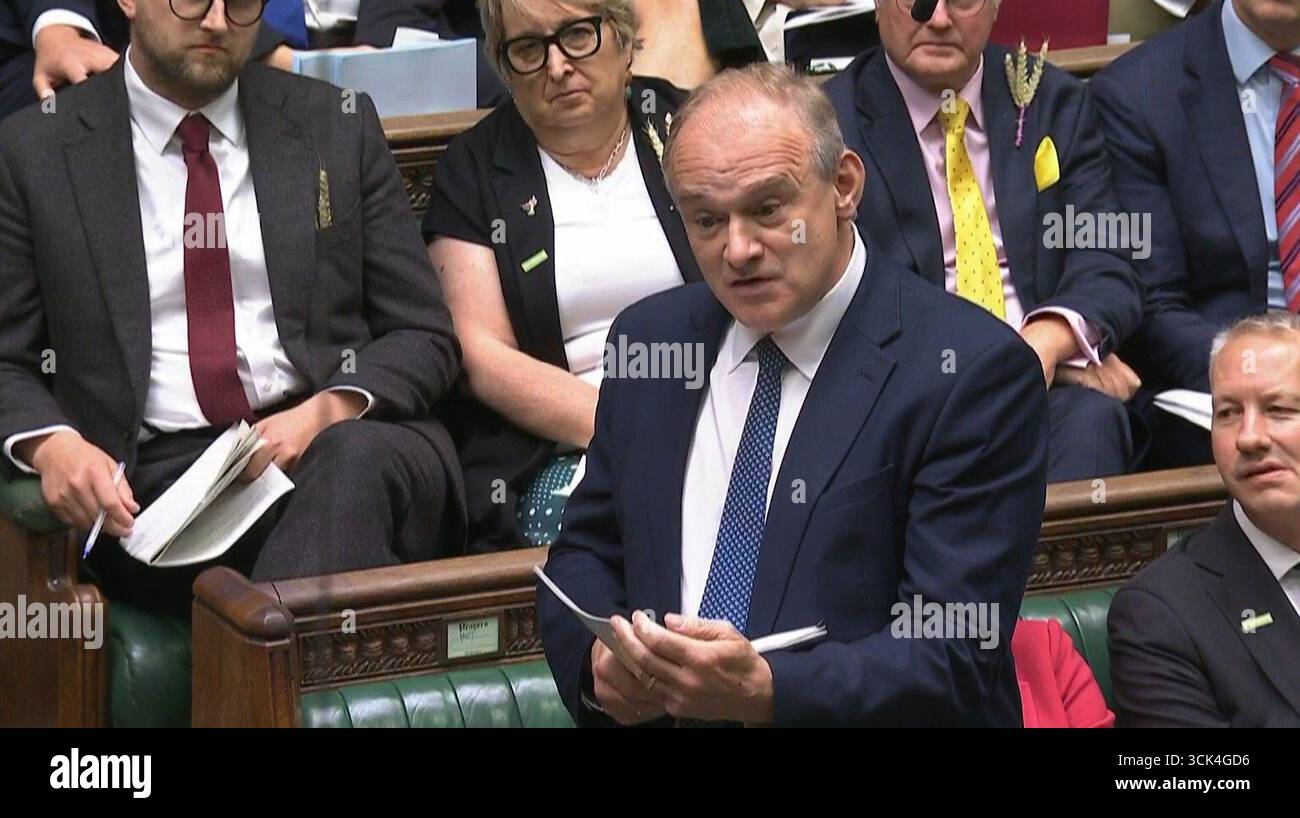
The ongoing scrutiny surrounding the Horizon IT scandal has reached a new level of intensity following testimony provided to the Post Office Inquiry. Sir Ed Davey, the leader of the Liberal Democrats, has publicly addressed his tenure as Minister for Postal Affairs, asserting that he was misled by former Post Office chief executive Paula Vennells regarding the reliability of the Horizon software system.
The scandal, which has been described as one of the most widespread miscarriages of justice in British legal history, involved the wrongful prosecution of hundreds of sub-postmasters. These individuals were accused of theft, fraud, and false accounting based on faulty data generated by the Fujitsu-developed Horizon computer system. As the inquiry continues to examine the failures of oversight and accountability, the testimony provided by high-ranking officials remains a focal point for those seeking clarity on how the injustice was allowed to persist for over two decades.
At the center of this latest development is the question of what ministers knew and when they knew it. Sir Ed Davey served as the Minister for Postal Affairs between 2010 and 2012, a period during which many sub-postmasters were still facing criminal charges. In his recent statements to the statutory public inquiry, he emphasized that his engagement with the Post Office was hampered by a lack of transparency from its leadership.
The Question of Ministerial Oversight and Accountability
Sir Ed Davey’s testimony before the inquiry highlighted a recurring theme in the scandal: the reliance on information provided by the Post Office board. During his time in office, the Post Office operated with a degree of autonomy that critics argue shielded it from necessary government scrutiny. Sir Ed stated that he felt misled by Paula Vennells, who served as the Post Office CEO from 2012 to 2019, suggesting that the information presented to him by the organization did not accurately reflect the severity of the issues facing sub-postmasters.

The Post Office Horizon IT Inquiry, chaired by Sir Wyn Williams, was established to provide a public summary of the operational failures and to identify the individuals and institutions responsible. The inquiry has been tasked with examining the roles of the Post Office, the government, and Fujitsu in the implementation and maintenance of the Horizon system. For many victims, the inquiry represents a long-awaited opportunity for the truth to be established in a formal legal setting.
The impact of these events on the affected families has been profound. Beyond the financial ruin caused by the recovery of alleged shortfalls, many individuals suffered significant reputational damage, health crises, and the loss of their livelihoods. The government has since introduced various compensation schemes, though the pace and adequacy of these payments remain subjects of intense debate in Parliament and among advocacy groups representing the victims.
Understanding the Horizon IT System Failures
The Horizon system was first introduced in the late 1990s as a means of automating accounting processes within Post Office branches. Almost immediately, sub-postmasters began reporting discrepancies in their accounts. Rather than investigating the software, the Post Office management insisted that the system was robust and that the shortfalls were the result of individual dishonesty. This institutional stance led to the landmark High Court litigation known as Bates v Post Office Ltd, which eventually exposed the systemic nature of the errors.
The findings of the court, particularly the judgment delivered by Mr Justice Fraser in 2019, were instrumental in overturning numerous convictions. The court found that the Post Office’s approach to sub-postmasters was “oppressive” and that the organization had failed to act with the decent faith expected of a commercial entity in its position. This legal turning point forced a broader reckoning, leading to the establishment of the current inquiry and a series of legislative actions designed to exonerate those wrongly convicted.
Key Takeaways from the Ongoing Inquiry
- Systemic Failure: The inquiry has confirmed that the Horizon software contained bugs and defects that were known to the Post Office and Fujitsu but were not disclosed to sub-postmasters.
- Prosecutorial Overreach: The Post Office acted as both investigator and prosecutor, a unique legal position that allowed it to pursue criminal cases against its own employees without independent oversight.
- Compensation Delays: While the government has pledged to provide financial redress to all victims, many continue to face significant delays in the processing of their claims.
- Legislative Exoneration: The Post Office (Horizon System) Offences Act 2024 was passed to provide a swifter route to overturning wrongful convictions for those affected across England, and Wales.
As the inquiry moves into its next phase, the focus will likely remain on the decision-making processes within the Department for Business, Energy and Industrial Strategy (and its predecessors) and the extent to which ministerial intervention could have mitigated the harm caused. The testimony of former ministers is expected to continue, as the inquiry seeks to map the chain of responsibility from the local branch level to the highest offices of government.

For those interested in following the proceedings, the official inquiry website provides daily transcripts and video recordings of the hearings. The scale of this injustice ensures that its lessons will influence corporate governance and administrative law in the United Kingdom for years to come.
We will continue to monitor the inquiry’s findings as they are published. We encourage our readers to share their thoughts on the implications of this case for institutional accountability in the comments section below.
Keep reading