
Advancing Autonomy: New Arm and Hand Rehabilitation Technology Launched at Sirindhorn National Medical Rehabilitation Institute
For many individuals recovering from neurological injuries or traumatic accidents, the loss of fine motor control in the hands and arms is more than a medical complication; It’s a profound barrier to independence. The ability to perform simple, everyday tasks—grasping a utensil, buttoning a shirt, or typing on a keyboard—is often the first milestone in reclaiming a sense of self. Recognizing this critical need, the Sirindhorn National Medical Rehabilitation Institute (SNMRI) has introduced a specialized clinic dedicated to arm and hand rehabilitation technology, aiming to bridge the gap between impairment and functional autonomy.
This new clinical initiative marks a significant evolution in neurorehabilitation, moving beyond traditional manual therapy to incorporate advanced technological interventions. By integrating high-precision tools designed to stimulate neurological pathways, the institute seeks to provide patients with the intensive, repetitive, and highly targeted training necessary to facilitate meaningful recovery. The ultimate objective is clear: to empower patients to return to their daily lives with a level of functionality that approaches normalcy.
The Complexity of Upper Limb Recovery
Rehabilitating the upper extremities presents a unique set of challenges for clinicians. Unlike the lower limbs, which primarily support weight and facilitate locomotion, the hands and arms are responsible for a vast array of complex, multi-planar movements and intricate fine motor tasks. These tasks require seamless integration between the motor cortex, sensory feedback loops, and the peripheral nervous system.

When a patient suffers from conditions such as a stroke, spinal cord injury, or severe peripheral nerve damage, these pathways are often disrupted. Traditional rehabilitation, while essential, can sometimes struggle to provide the “dosage” of movement required to trigger neuroplasticity. Neuroplasticity—the brain’s ability to reorganize itself by forming new neural connections—is heavily dependent on high-frequency, task-specific, and repetitive practice. For many patients, the physical fatigue or the sheer difficulty of performing these movements manually can limit the effectiveness of standard therapy sessions.
The introduction of specialized arm and hand rehabilitation technology at SNMRI addresses this exact limitation. By utilizing technological assistance, therapists can ensure that patients achieve the necessary volume of movement while maintaining the correct biomechanical patterns, which is vital for preventing compensatory movements that could lead to secondary injuries.
Technological Innovations in Neurorehabilitation
While the specific modalities at the new clinic are designed to meet diverse patient needs, the core of this technological shift lies in the application of robotics and biofeedback. These advanced systems serve as both a tool for movement and a medium for neurological stimulation.
Robotic-Assisted Therapy: One of the primary pillars of modern upper limb rehab is robotic assistance. These devices can range from exoskeletons that support the weight of the arm to robotic gloves that facilitate finger movements. For a patient with significant weakness, a robotic system can provide the “assist-as-needed” force, allowing the patient to complete a movement pattern that they could not achieve independently. This successful completion of a task sends critical sensory information back to the brain, reinforcing the neural circuits responsible for that movement.
Precision and Repetition: Technology allows for a level of precision that is challenging to maintain through manual therapy alone. Robotic systems can execute the exact same movement trajectory hundreds of times with millimeter accuracy. This consistency is essential for “re-training” the brain. These systems can be programmed to increase difficulty incrementally, ensuring that the patient is always working within their “challenge zone”—the optimal level of difficulty required to drive neuroplasticity without causing excessive frustration or injury.
Biofeedback and Sensory Integration: Many advanced rehabilitation tools now incorporate real-time biofeedback. As a patient engages with the technology, sensors track muscle activation (electromyography), joint angles, and even grip strength. This data is often translated into visual or auditory cues, allowing the patient to see or hear their progress. This immediate feedback loop is a powerful motivator and a crucial component in helping the brain reconnect with the limb through augmented sensory input.
Transforming Patient Outcomes and Quality of Life
The clinical focus at SNMRI extends beyond mere physical movement; it is fundamentally about the restoration of quality of life. For the medical community, success is measured in degrees of movement, but for the patient, success is measured in the ability to participate in society, return to work, and care for themselves.
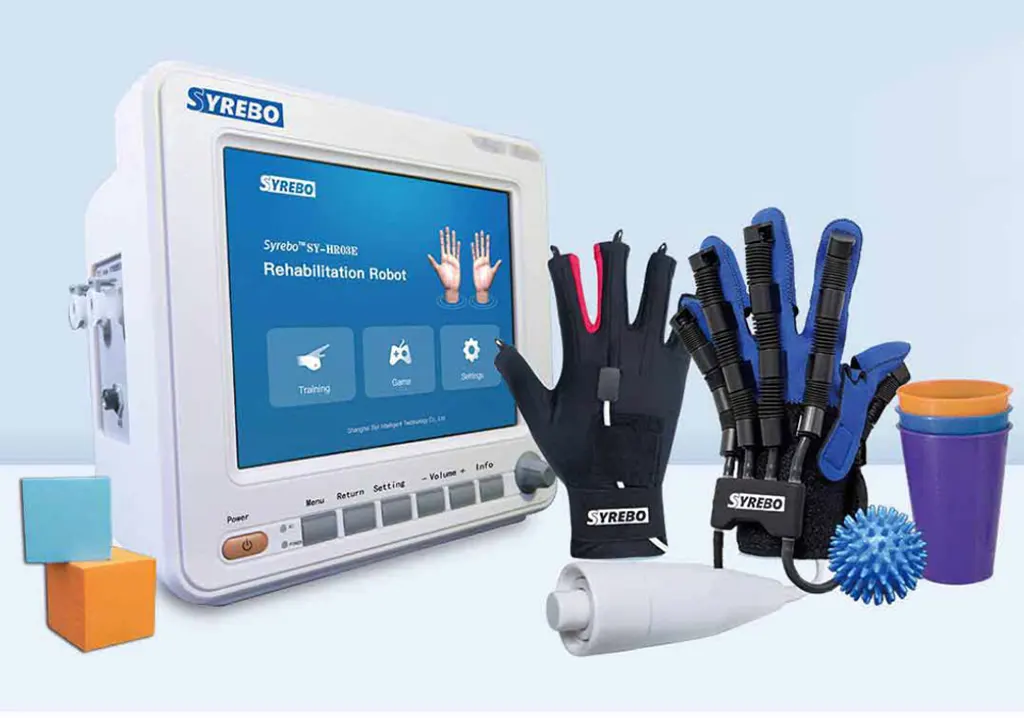
The impact of specialized upper limb recovery programs can be categorized into three primary areas:
- Functional Independence: By improving grip strength and coordination, patients can regain the ability to perform Activities of Daily Living (ADLs), such as eating, dressing, and personal hygiene.
- Psychosocial Well-being: The loss of limb function often leads to depression and social isolation. Regaining even partial control over one’s hands can significantly boost confidence and facilitate reintegration into social and professional environments.
- Economic Participation: For many patients in the workforce, hand and arm function are essential for employment. Effective rehabilitation can reduce long-term disability and allow individuals to remain economically active.
By positioning itself at the forefront of these technological advancements, the Sirindhorn National Medical Rehabilitation Institute is not just treating symptoms; it is investing in the long-term resilience of its patients. The clinic represents a shift toward a more proactive, technology-driven model of care that recognizes the profound link between physical capability and human dignity.
Key Takeaways: The Future of Hand Rehabilitation
- Targeted Neuroplasticity: Advanced technology provides the high-intensity, repetitive training required to stimulate the brain’s ability to rewire itself.
- Robotic Assistance: Robotic tools allow patients with severe weakness to engage in meaningful movement, bridging the gap between total impairment and active recovery.
- Data-Driven Progress: Real-time biofeedback and precision tracking allow for highly personalized and adaptive therapy regimens.
- Holistic Recovery: The ultimate goal is the restoration of independence, affecting not just physical health but also mental well-being and social reintegration.
As medical technology continues to evolve, the integration of robotics and neuro-science into clinical practice will likely become the standard of care for complex rehabilitation. The developments at SNMRI serve as a vital blueprint for how specialized institutions can utilize innovation to meet the most challenging needs of the patient population.
For further updates on medical innovations and rehabilitation breakthroughs, please follow our health section. We encourage you to share this article with colleagues and anyone interested in the intersection of technology and human recovery.
Next Update: We will continue to monitor clinical reports regarding the long-term efficacy of robotic-assisted neurorehabilitation in Southeast Asian medical centers.
Related reading