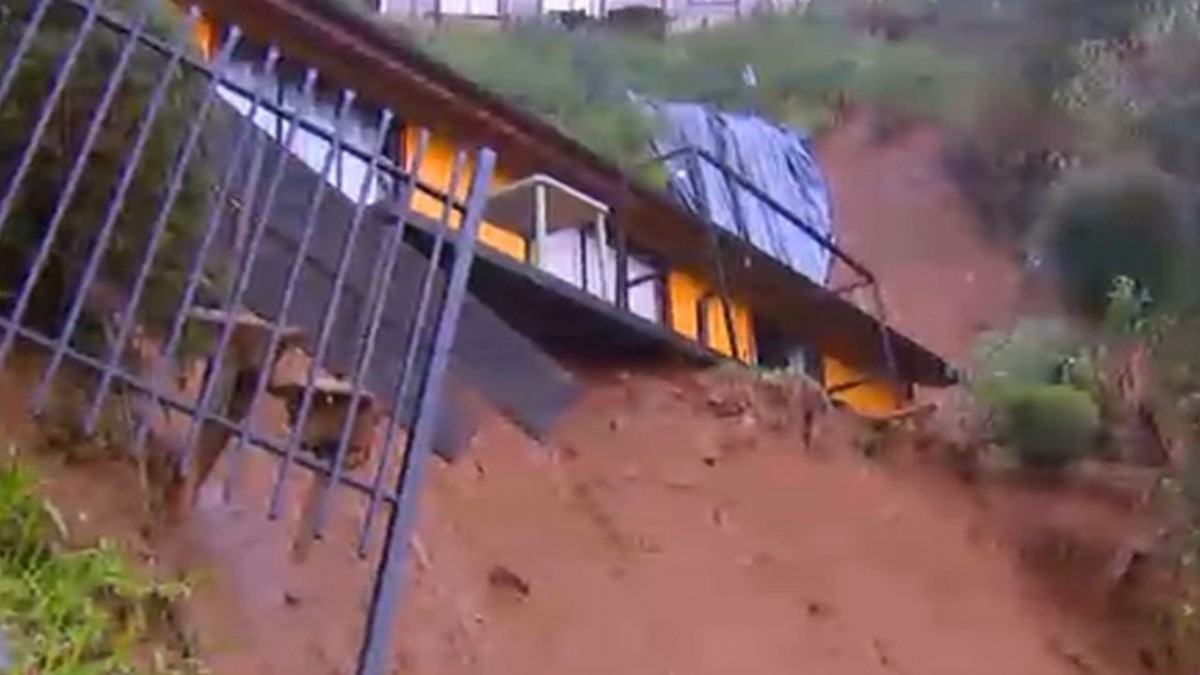
A powerful weather system has impacted southern Chile, leaving 17 people displaced and causing damage to 72 homes across the Araucanía and Los Ríos regions. Authorities have confirmed that while infrastructure has sustained significant structural impact, the government has opted against declaring a formal state of catastrophe at this time. The National Disaster Prevention and Response Service (SENAPRED) continues to maintain active weather alerts as the region faces ongoing heavy rainfall and strong wind gusts.
The latest data from the government indicates that emergency teams are currently deploying the Ficha Básica de Emergencia (FIBE) to assess the needs of those affected. This standardized tool allows social workers to collect information on household damage and personal losses, facilitating the distribution of state aid to families who have lost shelter or essential property. According to official reports, the focus remains on clearing debris, addressing landslide risks, and providing immediate humanitarian support to the 17 displaced individuals.
Regional Impact and Weather Conditions
The intensity of the frontal system has been particularly severe in the Los Ríos region, where the municipality of Corral has recorded significant precipitation. Meteorological data indicates that the area accumulated approximately 380 millimeters of rainfall over a 36-hour period. This saturation has led to unstable terrain, notably leaving at least one residence in Corral in immediate danger of collapse due to a localized landslide.
In addition to the rainfall, high-velocity winds have complicated recovery efforts. SENAPRED has issued updated alerts for the southern regions, warning of wind gusts that could reach up to 90 kilometers per hour in coastal and exposed areas. These conditions have prompted local authorities to urge residents to remain indoors and avoid transit near slopes or riverbanks prone to overflowing. The meteorological outlook remains dynamic, with regional offices continuing to monitor the movement of the low-pressure system.
Government Response and Aid Coordination
Despite the severity of the damage, the Chilean government has officially ruled out a state of catastrophe declaration, stating that current regional resources are sufficient to manage the emergency. Instead, the government is prioritizing the application of the FIBE survey, which is the primary mechanism for directing recovery funds and material assistance to households in need. This administrative decision reflects a move to handle the crisis through standard emergency protocols rather than emergency legislation.
The Ministry of Social Development and Family is coordinating the deployment of field teams to reach the 72 affected homes. These teams are tasked with verifying structural integrity and ensuring that families have access to emergency housing if their homes are deemed uninhabitable. The scale of the damage is still being quantified by regional delegations, who are working in tandem with municipal governments to clear blocked roads and restore essential services in the hardest-hit sectors of Araucanía and Los Ríos.
Safety Protocols and Official Updates
Residents in the affected zones are advised to follow official communication channels for real-time safety updates. SENAPRED regularly publishes updated weather warnings and safety recommendations on its official platform, which serves as the primary source for alerts regarding storm activity. The service emphasizes the importance of monitoring local radio and digital reports, particularly for those living in high-risk areas identified as vulnerable to landslides or flash flooding.
The immediate priority for the coming days is the stabilization of damaged dwellings and the restoration of power and water where outages have occurred. As the weather front slowly moves through the region, authorities will transition from the emergency response phase to a recovery and reconstruction phase. Further updates on the progress of aid distribution and infrastructure repairs are expected as local regional governments complete their field assessments. We encourage readers to share this information with those in the affected areas and to monitor the official government portal for any changes to local status or emergency protocols.