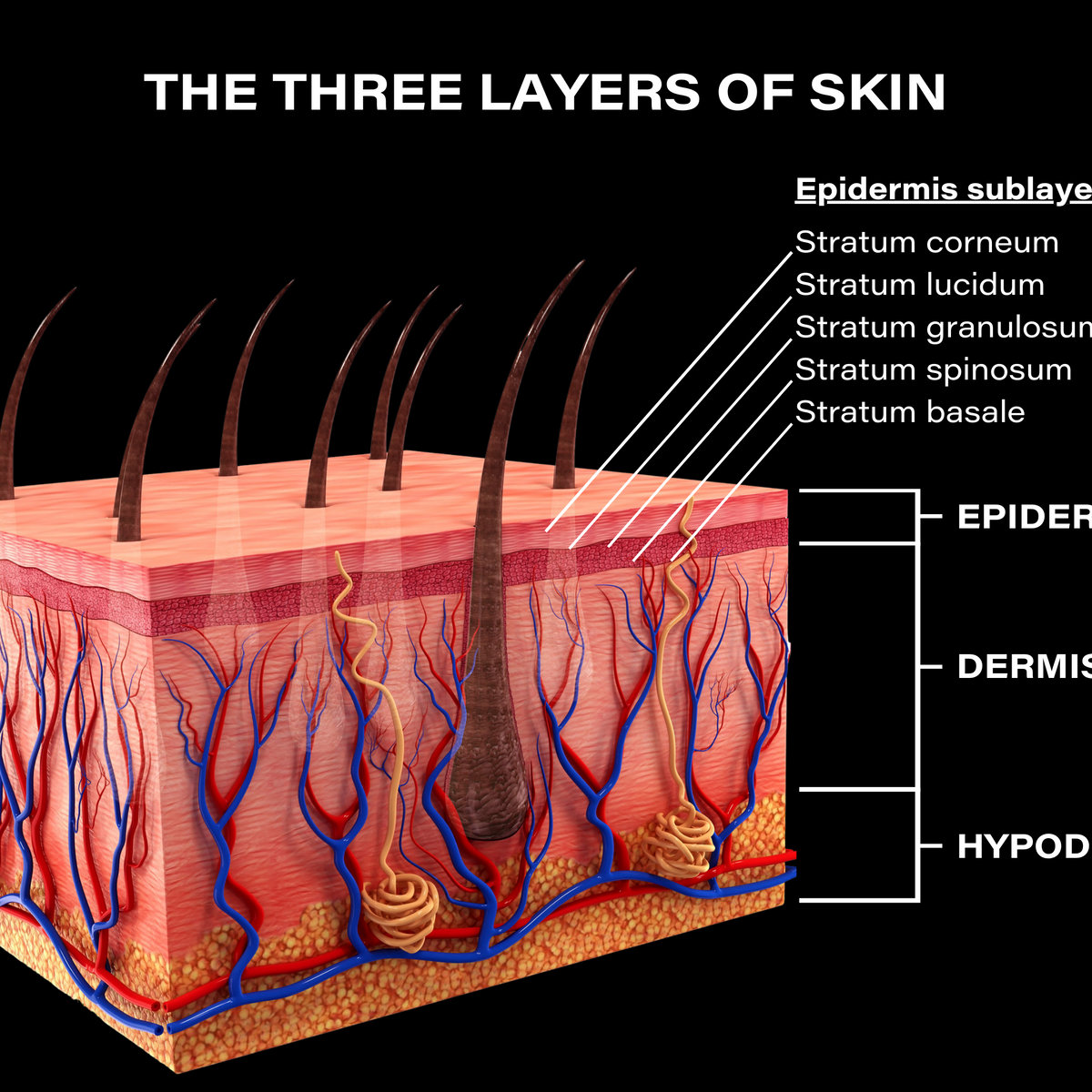
The Canadian Cancer Society estimates that 11,300 people in Canada will be diagnosed with melanoma by 2026, reflecting a continuing upward trend in skin cancer rates. This specific form of skin cancer, which develops in the melanocytes—the cells that produce pigment—is the most dangerous variety of skin cancer due to its potential to spread to other organs if not detected early.
Melanoma is strongly linked to ultraviolet (UV) radiation exposure. According to the Canadian Cancer Society, the risk increases with both intense, short-term burns and cumulative sun exposure over a lifetime. While basal cell and squamous cell carcinomas are more common, melanoma’s ability to metastasize makes early screening and preventative measures critical for patient survival.
Public health officials emphasize that skin cancer is largely preventable through behavioral changes. The primary drivers of the current increase include higher rates of UV exposure, an aging population, and the long-term effects of previous sun-tanning habits. For those at higher risk, including individuals with fair skin or a family history of the disease, regular dermatological exams are the standard of care for early detection.
Recognizing the Warning Signs of Melanoma
Early detection remains the most effective tool for improving melanoma survival rates. Medical professionals use the “ABCDE” guide to help patients identify suspicious moles or lesions. According to the Skin Cancer Foundation, these markers include:

- Asymmetry: One half of the mole does not match the other half.
- Border: The edges are irregular, ragged, notched, or blurred.
- Color: The color is not uniform and may include shades of brown, black, pink, red, white, or blue.
- Diameter: The spot is larger than 6 millimeters (about the size of a pencil eraser), although some melanomas can be smaller.
- Evolving: The mole changes in size, shape, or color over time.
Beyond the ABCDE criteria, doctors advise patients to look for the “ugly duckling” sign—a mole that looks significantly different from all other moles on the body. Because melanoma can appear in areas not exposed to the sun, such as the soles of the feet or under fingernails, a full-body skin check is recommended annually for high-risk individuals.
Risk Factors and the Impact of UV Radiation
The relationship between UV radiation and skin cancer is well-documented. Ultraviolet rays from the sun or tanning beds damage the DNA in skin cells; when the body cannot repair this damage, mutations occur that can lead to malignant tumors. The World Health Organization notes that UV radiation is a proven human carcinogen.

Certain populations face a higher risk of developing skin cancer. People with fair skin, light-colored eyes, and freckles have less melanin to protect their skin from UV rays. Additionally, those with a high number of moles or a genetic predisposition—such as a family history of melanoma—are more susceptible. While people with darker skin tones have more natural protection, they are still at risk for skin cancer, and melanoma in these populations often presents in harder-to-detect areas like the palms or soles, which can lead to later-stage diagnoses.
The use of artificial tanning beds is another significant risk factor. These devices emit concentrated UVA radiation, which penetrates deeper into the skin than UVB rays. Health agencies worldwide have warned that indoor tanning increases the risk of melanoma, particularly when used by teenagers and young adults.
Preventative Strategies and Sun Safety
To combat the rising incidence of skin cancer, health authorities recommend a multi-layered approach to sun protection. The goal is to minimize the total “UV dose” the skin receives over a lifetime.
Broad-spectrum sunscreen is a primary defense. According to the U.S. Food and Drug Administration (FDA), “broad-spectrum” means the product protects against both UVA and UVB rays. Experts recommend an SPF of 30 or higher, applied generously and reapplied every two hours, or more frequently if swimming or sweating.
Sunscreen alone is often insufficient. Health guidelines suggest the following additional precautions:
- Protective Clothing: Wearing tightly woven fabrics or clothing specifically labeled with an Ultraviolet Protection Factor (UPF) rating.
- Hats: Using wide-brimmed hats that shade the face, ears, and neck.
- Seeking Shade: Avoiding direct sun exposure during peak intensity hours, typically between 10 a.m. and 4 p.m.
- UV Index Monitoring: Checking the daily UV Index to determine the level of protection needed; levels 6 and above indicate high to extreme risk.
Treatment Options and Clinical Outlook
When caught early, melanoma is highly treatable. The primary treatment for early-stage melanoma is surgical excision, where the tumor and a margin of healthy skin are removed. In some cases, Mohs surgery is used to ensure all cancerous cells are removed while preserving as much healthy tissue as possible.

For advanced cases where the cancer has spread to lymph nodes or other organs, treatment becomes more complex. Recent medical innovations have shifted the landscape of care. Immunotherapy, which helps the body’s own immune system recognize and attack cancer cells, and targeted therapy, which attacks specific mutations in the tumor’s DNA, have improved outcomes for patients with metastatic melanoma. These treatments are typically administered in specialized oncology centers and require close monitoring by a multidisciplinary medical team.
The shift toward personalized medicine means that doctors now often sequence the tumor’s genome to determine which drug will be most effective. This precision approach reduces the reliance on traditional chemotherapy and improves the quality of life for patients undergoing long-term treatment.
The next critical benchmark for public health tracking will be the release of updated 2026 diagnostic projections and the subsequent analysis of the effectiveness of current national screening campaigns. Residents are encouraged to schedule their annual skin check with a certified dermatologist.
Do you have questions about skin cancer screening or sun protection? Share your thoughts or experiences in the comments below.