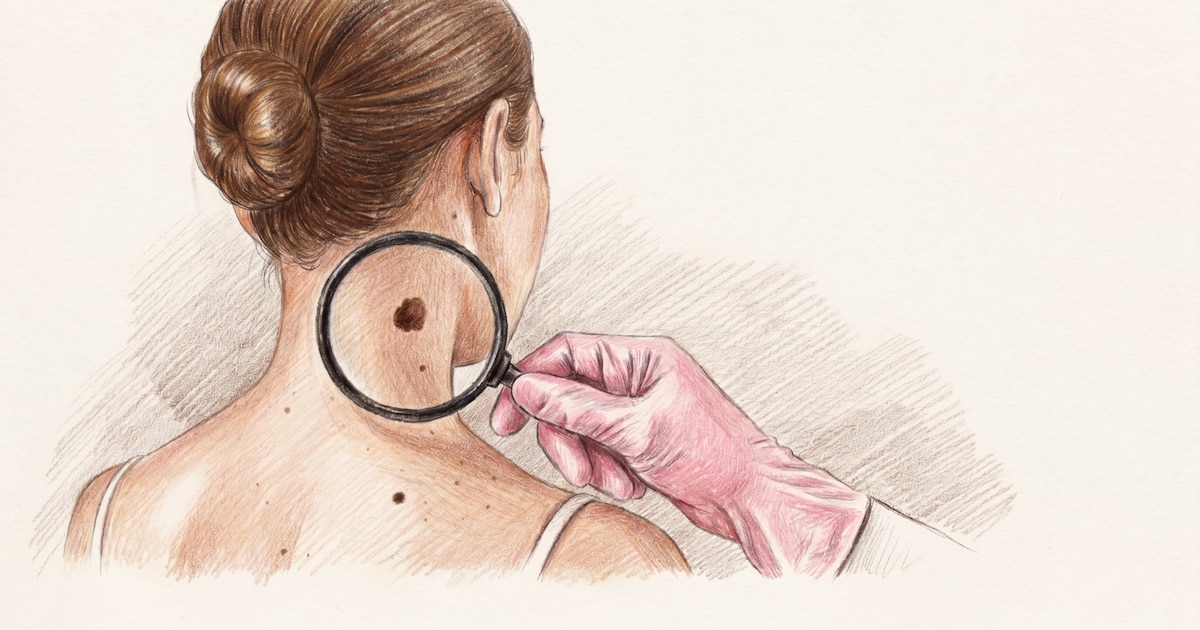
Skin cancer is the most frequently diagnosed form of cancer globally, driven primarily by cumulative exposure to ultraviolet (UV) radiation. While many cases involve non-melanoma types that are highly treatable, medical experts emphasize that early detection of melanoma remains critical for survival. Regular skin self-examinations and professional dermatological screenings are the most effective tools for identifying suspicious lesions before they progress.
The global burden of skin cancer continues to rise as populations age and UV exposure patterns change. According to the World Health Organization, skin cancer is a significant public health challenge, with non-melanoma skin cancers accounting for the vast majority of cases. While these are often less lethal than melanoma, their high prevalence places an immense strain on healthcare systems worldwide.
Health organizations and regional governments frequently use designated awareness dates to promote early consultation. These campaigns focus on a central message: skin cancer is highly preventable and, when caught early, most forms are curable. Public health initiatives often encourage individuals to monitor their skin for changes in moles, growths, or new lesions that do not heal.
Why is skin cancer the most frequent tumor type?
Skin cancer is categorized into two main groups: non-melanoma skin cancer (NMSC) and melanoma. Non-melanoma types are significantly more common, making up the bulk of all skin cancer diagnoses. The two most prevalent forms are basal cell carcinoma (BCC) and squamous cell carcinoma (SCC).
Basal cell carcinoma is the most common type of skin cancer. It typically develops in the basal cells, which are found in the lower part of the epidermis. BCCs often appear as pearly or waxy bumps, sometimes with visible blood vessels. While they rarely spread to other parts of the body, they can cause significant local tissue damage if left untreated. The American Cancer Society notes that BCC is most frequently linked to long-term, cumulative sun exposure.
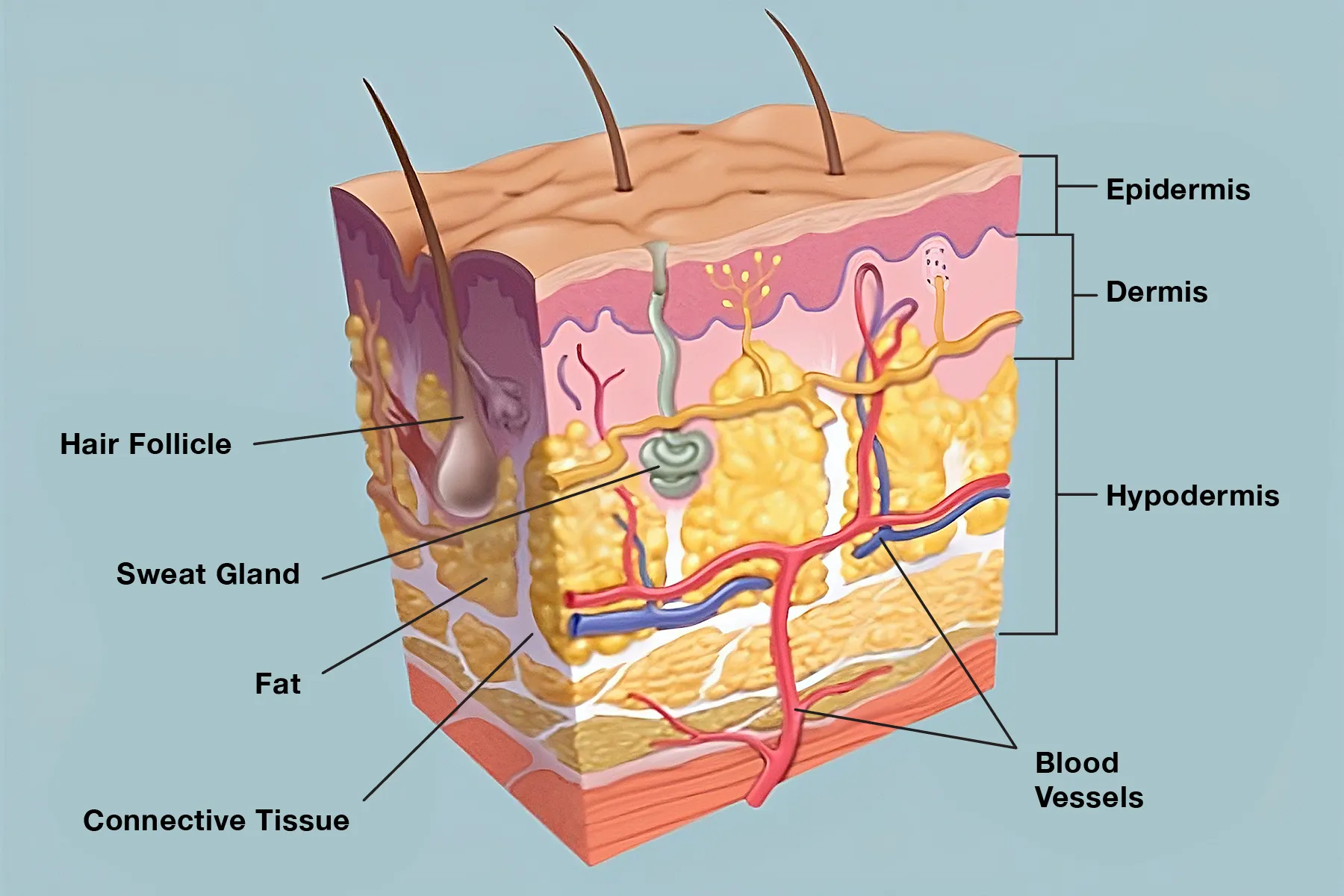
Squamous cell carcinoma is the second most common form. These tumors arise from the squamous cells in the outer layer of the skin. SCCs often present as firm, red nodules or flat lesions with a scaly, crusted surface. While less common than BCC, SCC has a higher potential to spread to lymph nodes or other organs if it is not diagnosed in its early stages.
Melanoma, though less frequent than BCC or SCC, is the most dangerous form of skin cancer. It develops in the melanocytes, the cells responsible for producing pigment. Because melanoma can spread rapidly to other organs, early detection is the single most important factor in reducing mortality. Statistics indicate that when melanoma is detected early, the five-year survival rate is high, but this percentage drops significantly once the cancer has metastasized.
How can you identify suspicious moles using the ABCDE method?
Dermatologists recommend that individuals perform regular skin self-examinations to identify changes in their moles or skin lesions. The most widely accepted clinical tool for this is the ABCDE rule, which helps distinguish between benign moles and potential melanomas.
- Asymmetry: One half of the mole does not match the other half. Benign moles are typically symmetrical.
- Border: The edges of the mole are irregular, ragged, notched, or blurred. A healthy mole usually has smooth, well-defined borders.
- Color: The color is not uniform. A suspicious mole may exhibit different shades of brown or black, or even patches of pink, red, white, or blue.
- Diameter: The mole is larger than 6 millimeters in diameter (approximately the size of a pencil eraser). However, some melanomas can be smaller.
- Evolving: The mole changes in size, shape, color, or elevation. This is often considered the most important sign. Any new growth or change in an existing mole warrants medical attention.
In addition to the ABCDE rule, clinicians advise looking for the “ugly duckling” sign. This refers to a mole that looks significantly different from all other moles on an individual’s body. If a lesion stands out due to its unique appearance, it should be evaluated by a professional.
What are the primary risk factors and prevention strategies?
The primary driver of skin cancer is exposure to ultraviolet (UV) radiation from the sun or artificial sources like tanning beds. UV radiation damages the DNA in skin cells, leading to mutations that cause uncontrolled cell growth.
There are two main types of UV radiation that affect the skin: UVA and UVB. UVA rays penetrate deeper into the skin and are present with relatively consistent intensity throughout the day. They contribute significantly to skin aging and long-term damage. UVB rays are the primary cause of sunburn and play a major role in the development of skin cancers. The Skin Cancer Foundation emphasizes that both types of radiation increase the risk of malignancy.
Beyond UV exposure, several other factors influence an individual’s risk:
- Skin Type: Individuals with fair skin, light hair, and light eyes have less melanin, which provides some natural protection against UV damage.
- History of Sunburns: Even a single blistering sunburn in childhood can significantly increase the lifetime risk of melanoma.
- Tanning Bed Use: The use of indoor tanning devices significantly raises the risk of all types of skin cancer.
- Number of Moles: Having a high number of moles can increase the statistical likelihood of developing melanoma.
Prevention focuses on minimizing UV exposure and protecting the skin barrier. Effective strategies include wearing broad-spectrum sunscreen with an SPF of at least 30, seeking shade during peak sunlight hours—typically between 10:00 AM and 4:00 PM—and wearing protective clothing such as wide-brimmed hats and UV-rated sunglasses.
How is digital technology changing skin cancer screening?
Advancements in medical technology are improving the accuracy and efficiency of skin cancer detection. One significant development is digital mole mapping, a process used by dermatologists to track changes in a patient’s moles over time.
Digital mole mapping involves taking high-resolution photographs of a patient’s skin lesions. Specialized software then analyzes these images to detect minute changes in size, shape, or color that might be invisible to the naked eye. This longitudinal tracking is particularly useful for patients with many moles or a high risk of melanoma, as it allows clinicians to identify “evolving” lesions much earlier.
Furthermore, the integration of artificial intelligence (AI) into dermatological tools is showing promise. AI algorithms are being trained on vast datasets of clinical images to assist doctors in differentiating between benign lesions and malignant tumors. While AI is not intended to replace clinical judgment, it serves as a powerful diagnostic aid that can enhance the speed and accuracy of screenings in both clinical and remote settings.
Skin Cancer Detection FAQ
Is every new mole a sign of cancer?
No. Most new moles or changes in skin are benign. However, because it is impossible to distinguish a benign lesion from a malignant one through visual inspection alone, any new or changing growth should be examined by a healthcare professional.
How often should I see a dermatologist for a skin check?
General guidelines suggest an annual professional skin exam. However, individuals with a family history of skin cancer, a high number of moles, or significant UV exposure history may require more frequent screenings as determined by their physician.
Does sunscreen protect against all types of skin cancer?
Broad-spectrum sunscreen provides protection against both UVA and UVB rays, which helps reduce the risk of many skin cancers. However, sunscreen should be part of a multi-layered approach that includes shade, protective clothing, and avoiding peak sun hours.
Can skin cancer occur in areas that are rarely exposed to the sun?
Yes. While most skin cancers occur on sun-exposed areas, they can develop in any part of the body, including under nails, in the genital area, or in skin folds. Regular full-body self-examinations are necessary to catch these cases.
Medical authorities continue to monitor global skin cancer trends and update prevention guidelines as new research emerges. The next major updates regarding UV safety standards and dermatological screening protocols are expected to be released during upcoming international oncology conferences.
If you find this information helpful, please share this article with your network to promote skin cancer awareness. Have questions for our health experts? Leave a comment below.
Keep reading
- How Often Should Adults with Type 1 Diabetes Check Their Blood Sugar? A Review of the Evidence
- The “Thinness Gene”: Study Reveals the Secret to Natural Slimness
- Stuart Blaik Condemns Potential Early Release of PC Andrew Harper Killers (archyworldys.com)
- Sydney Towle Cancer Journey: Family Support Through the Years (news-usa.today)