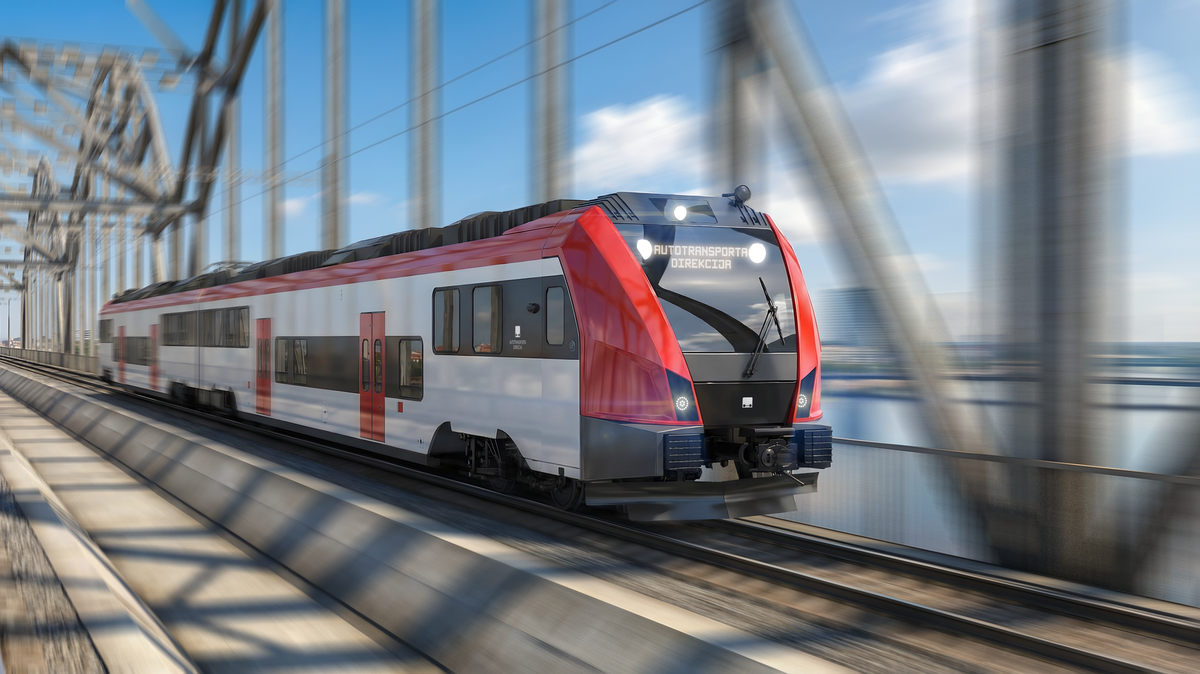
Škoda Group has returned to profitability, reporting a substantial increase in its operational earnings for the 2023 fiscal year alongside a record-breaking volume of new orders. The Czech-based engineering firm, a major player in the European rolling stock industry, announced an operational profit of 3.5 billion CZK, marking a significant recovery from previous periods of financial volatility, according to official financial disclosures reported by České noviny.
This financial turnaround is underpinned by a robust backlog of projects, with the company securing new contracts valued at approximately 46 billion CZK throughout the last year. As the firm pivots toward modernizing its product portfolio, the surge in demand reflects a broader market shift toward sustainable transit solutions, specifically electric and battery-powered rail technologies.
Financial Performance and Market Growth
The company’s recent fiscal results indicate a more than twofold increase in operational profit compared to prior cycles. This growth is largely attributed to the successful delivery of long-term international contracts and increased production efficiency across its manufacturing facilities. According to data verified by Forbes Česko, the firm’s ability to stabilize its supply chain and optimize operational costs has been a decisive factor in rebounding from the economic pressures that impacted the heavy engineering sector in previous years.

Market analysts note that the record order book, which reached 46 billion CZK, provides the company with a stable revenue pipeline for the coming years. This backlog is not limited to the domestic Czech market but includes significant export agreements, cementing the group’s position as a key competitor against larger European manufacturers in the tram, train, and trolleybus segments.
Strategic Focus on Sustainable Rail Technology
A primary driver of Škoda Group’s current success is its aggressive investment in green mobility. The company has focused its research and development budget on battery-powered rail vehicles, which are increasingly sought after by regional transport authorities looking to decarbonize lines that lack overhead electrical infrastructure. By prioritizing these technologies, the firm has positioned itself to meet the stringent environmental mandates set by the European Union’s Green Deal initiatives, as outlined in the European Commission’s strategic framework.
The transition to battery-electric propulsion is not merely a technical shift but a strategic move to insulate the business from the fluctuating costs of traditional diesel-powered rolling stock maintenance. By integrating proprietary battery management systems, the company is attempting to offer a total cost of ownership that is competitive for municipal and national rail operators.
Industry Context and Future Outlook
The engineering sector in Central Europe has faced significant headwinds, including rising energy costs and raw material shortages. However, Škoda Group’s ability to secure large-scale contracts suggests a sustained demand for rail modernization. As noted by industry reporting from E15, the company’s focus on high-margin, technologically advanced projects remains the core strategy for maintaining this trajectory.
Moving forward, the company is expected to focus on the execution of these record-level orders while navigating potential labor shortages in the specialized manufacturing sector. The next major checkpoint for the firm will be the publication of its 2024 mid-year financial review, which will provide further insight into whether the current profit margins are sustainable against the backdrop of global inflationary pressures. Investors and industry stakeholders are advised to monitor the company’s official investor relations portal for upcoming announcements regarding new contract tenders and quarterly performance disclosures.
Have thoughts on the shift toward battery-powered rail? Share your perspective in the comments section below.
- How to Hire the Right Penetration Testing Company: Avoiding Costly Security Mistakes
- iPhone 17: Apple Set to Break 15-Year Longevity Record Held by iPhone 4
- Police Locate Teen Linked to Double Family Death Investigation in Acton (news-usa.today)
- Perseids Meteor Shower & Solar Eclipse: A Rare Celestial Double Feature (archyworldys.com)