
Major international news networks, including Sky News, are providing continuous breaking coverage of significant legal developments in the criminal trial of former U.S. President Donald Trump in Manhattan. The proceedings, which center on allegations of falsified business records, represent a historic moment in the American judicial system and carry profound implications for both the former president and the upcoming United States presidential election.
The breaking reports from legal correspondents focus on the high-stakes Manhattan case, where prosecutors from the Manhattan District Attorney’s Office are seeking a conviction on 34 felony counts of falsifying business records in the first degree. According to court filings and live reporting from the New York County Supreme Court, the case involves allegations that Mr. Trump orchestrated a scheme to influence the 2016 election by concealing hush-money payments through illegal business entries.
The intensity of the global media response underscores the unprecedented nature of the trial. As news organizations shift their regular programming to accommodate the rapid developments in the courtroom, legal analysts suggest that the outcome could fundamentally alter the political landscape in the United States. The trial, overseen by Judge Juan Merchan, marks the first time a former American president has faced criminal prosecution.
What are the specific charges in the Manhattan criminal case?
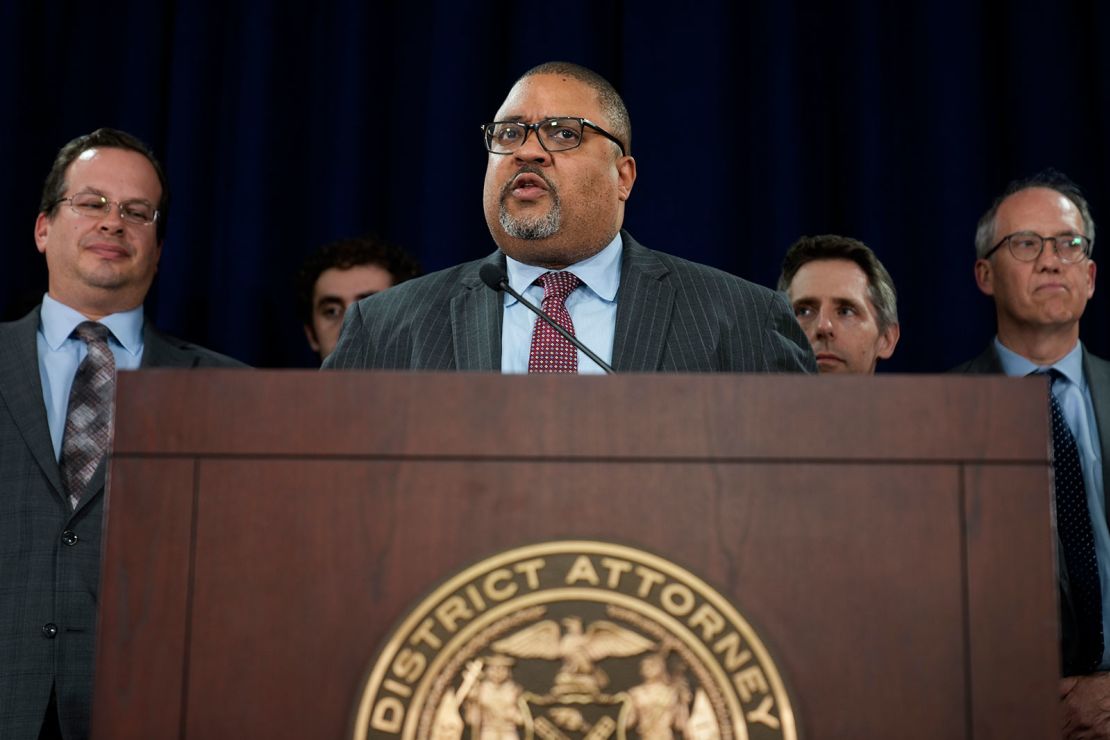
The legal core of the Manhattan trial rests on New York Penal Law § 175.10, which pertains to falsifying business records in the first degree. Manhattan District Attorney Alvin Bragg has charged Donald Trump with 34 felony counts, alleging that the former president recorded reimbursements to his then-attorney, Michael Cohen, as legal expenses when they were actually intended to cover hush-money payments made to adult film actress Stormy Daniels.
To elevate these charges from misdemeanors to felonies, prosecutors must prove that the records were falsified with the intent to commit or conceal another crime. In this instance, the prosecution argues that the secondary crime was a violation of New York election law, specifically regarding a conspiracy to promote or prevent an election by unlawful means. This legal strategy aims to demonstrate that the financial discrepancies were not merely accounting errors but part of a deliberate effort to deceive voters during the 2016 campaign.
The defense, led by attorney Todd Blanche, has maintained that the payments were legitimate legal expenses and that Mr. Trump had no intent to defraud. The defense has also frequently challenged the jurisdiction and the political motivations of the Manhattan District Attorney’s office, characterizing the prosecution as a politically motivated endeavor.
The role of witness testimony and evidence
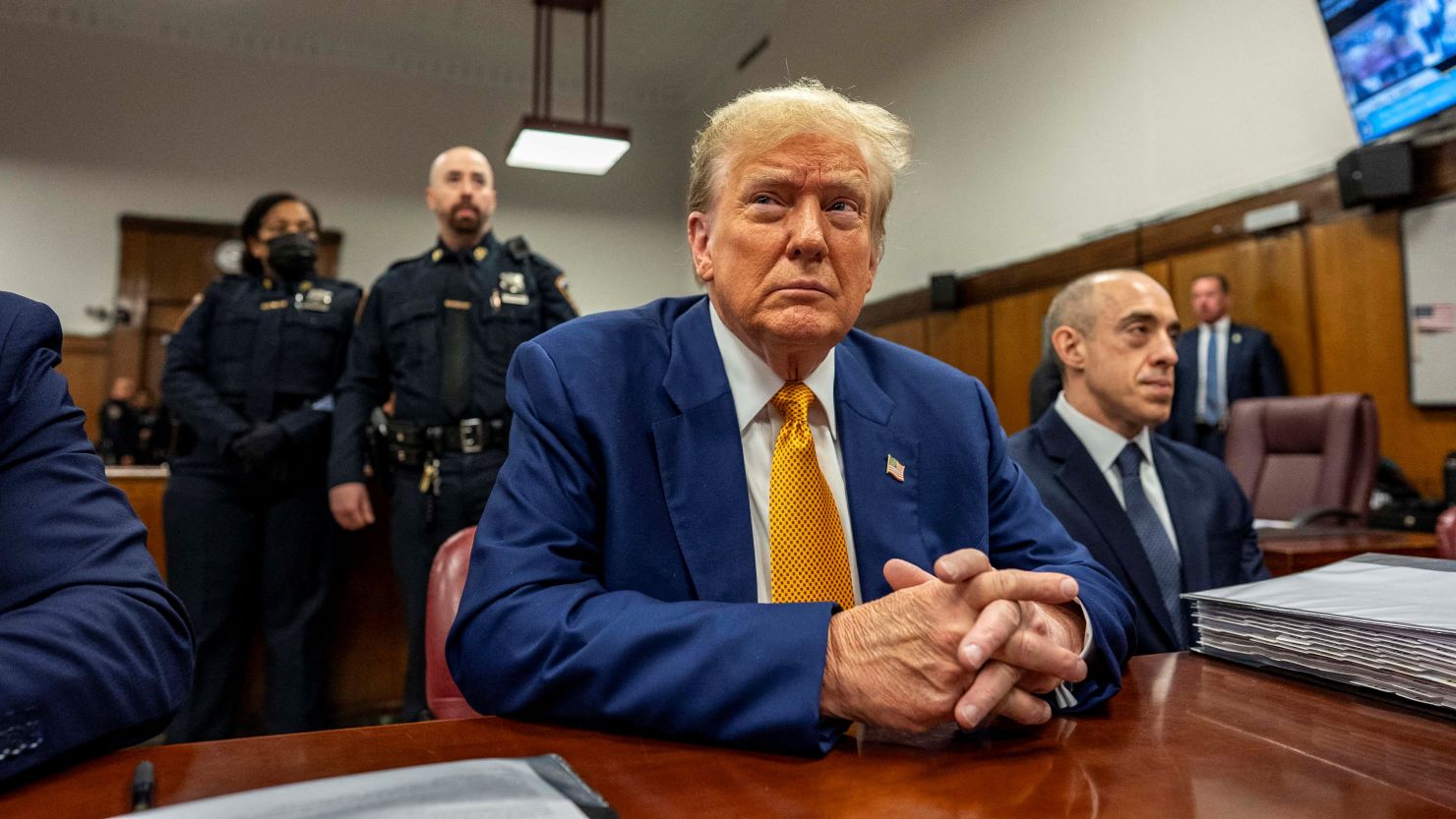
Central to the prosecution’s case has been the testimony regarding the financial transactions between the Trump Organization and Michael Cohen. Evidence presented in court includes handwritten notes, checks signed by Mr. Trump, and digital communications that prosecutors claim establish a direct link between the former president and the reimbursement scheme. The testimony of former associates has been critical in providing context to the internal business practices of the Trump Organization during the period in question.
Why is this development significant for the former president’s legal standing?
The potential for a conviction in the Manhattan trial presents several immediate and long-term challenges for Donald Trump. Unlike civil litigation, where the penalty is typically monetary, a criminal conviction in this case could result in felony status. While New York law does not automatically bar a convicted felon from running for president, the political and social ramifications of a felony conviction are substantial.
Legal experts note that the outcome of this trial is distinct from the other legal challenges facing the former president. While the federal cases regarding election interference and the handling of classified documents involve different statutes and jurisdictions, the Manhattan case is the most immediate threat to his legal standing due to its localized nature and the speed of the proceedings. A conviction here would provide a permanent criminal record that could be utilized in political campaigning and public discourse.
The impact extends beyond the individual defendant to the broader concept of presidential immunity and the limits of executive power. Although much of the debate regarding immunity has centered on federal actions taken while in office, the Manhattan case tests the ability of state-level prosecutors to hold a former president accountable for conduct that occurred both during and before his presidency.
How is international media responding to the announcement?
The global news cycle has been dominated by the developments in New York, with major outlets such as Sky News, the BBC, and Reuters providing real-time analysis. The international focus is driven by the intersection of American law and global politics. For many international observers, the trial serves as a litmus test for the strength and impartiality of the United States’ judicial institutions.
In Europe and Asia, news coverage has frequently highlighted the potential for the trial to influence the outcome of the 2024 U.S. election. Analysts suggest that a conviction could polarize the American electorate further, potentially impacting international relations and trade policies depending on which candidate eventually takes office. The way the American legal system handles a former head of state is being watched as a precedent for democratic stability worldwide.
Furthermore, the contrast in how different media outlets frame the story has been noted. Some outlets focus heavily on the legal technicalities of the business record charges, while others emphasize the political drama and the potential for civil unrest. This divergence in reporting reflects the deeply divided nature of the discourse surrounding the former president.
Comparing Trump’s multiple legal challenges
To understand the weight of the Manhattan trial, it is necessary to view it within the context of the other significant legal proceedings involving Donald Trump. Each case involves different sets of facts, different legal standards, and different potential consequences.
The following table provides a comparison of the primary legal matters currently or recently facing the former president:
| Case Type | Jurisdiction | Primary Allegations | Potential Outcome |
|---|---|---|---|
| Manhattan Criminal Trial | New York State | Falsifying business records to conceal election interference | Felony conviction, fines, or potential incarceration |
| Federal Election Interference | U.S. Federal Court | Attempts to overturn the 2020 election results | Federal felony convictions, imprisonment |
| Classified Documents Case | U.S. Federal Court | Mishandling of sensitive national security documents | Federal felony convictions, imprisonment |
| Georgia Election Case | Georgia State | Racketeering and conspiracy to overturn election results | State felony convictions, imprisonment |
While the Manhattan case is unique because it is a state-level criminal matter involving business records, the federal cases carry different weights regarding national security and the stability of the federal government. The Georgia case is notable for its use of the Racketeer Influenced and Corrupt Organizations (RICO) Act, a powerful tool used to prosecute organized crime.
The convergence of these cases means that the former president is navigating an unprecedented legal landscape where the outcomes of multiple, simultaneous trials could collectively define his political future and the legal precedents for future administrations.
The next critical checkpoint in the Manhattan proceedings will be the scheduled deliberations and the subsequent delivery of the jury’s verdict. Official updates regarding the trial schedule and court rulings are typically released through the New York State Unified Court System.
What are your thoughts on the implications of this trial for the upcoming election? Share your views in the comments below and share this article to join the global conversation.