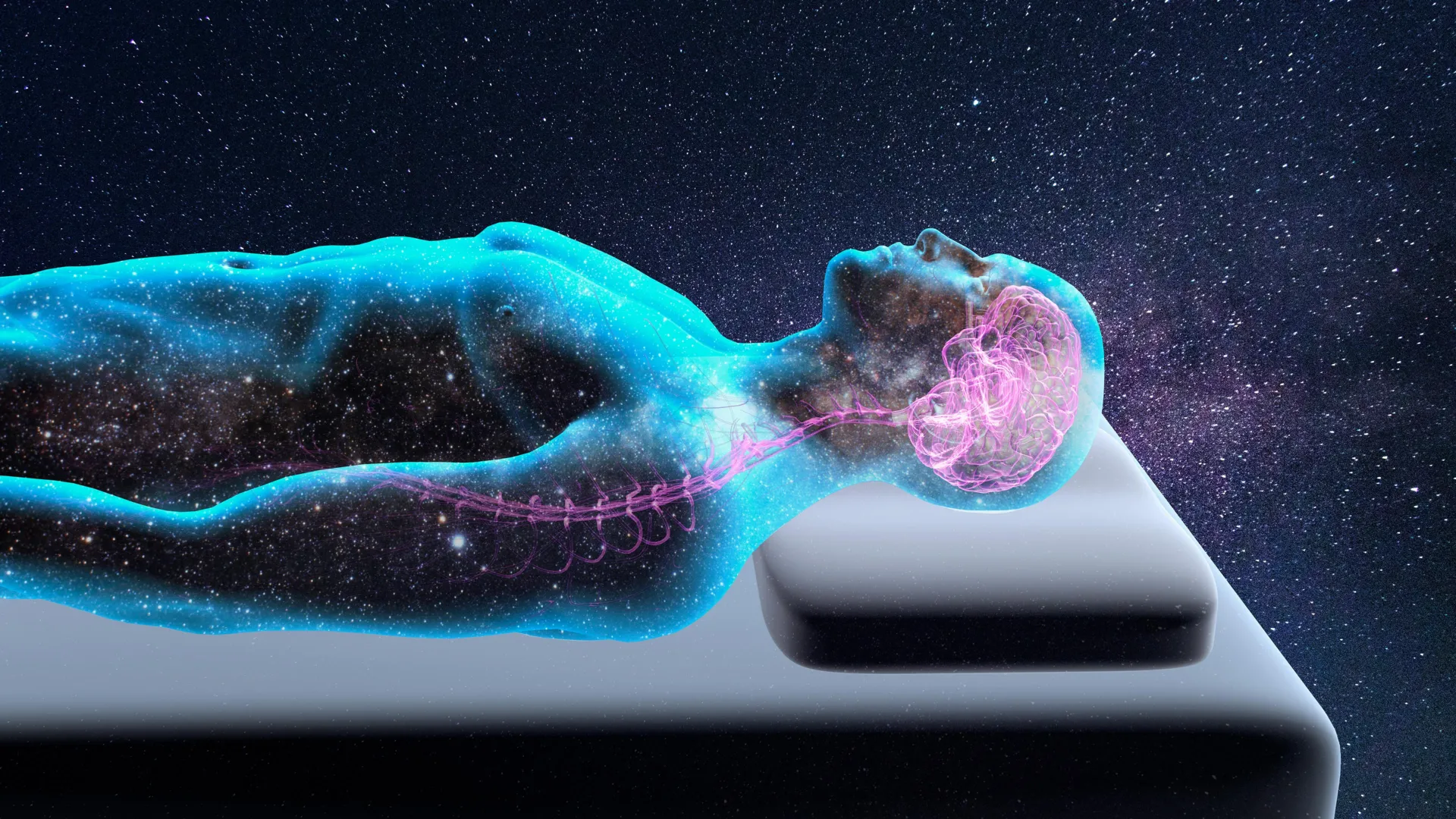
The Emerging science of Sleep: How Bacteria in Your Gut might potentially be Calling the Shots
For decades, sleep research has largely focused on the brain - a “top-down” approach seeking to unravel the neurological mechanisms governing our nightly rest. But a groundbreaking new body of research, spearheaded by scientists at Washington State university (WSU), is challenging this long-held paradigm, suggesting that sleep isn’t solely a brain-driven process, but a complex interplay between our nervous system and the trillions of microorganisms residing within us – a concept known as the “holobiont condition.” This emerging field is poised to revolutionize our understanding of sleep, its evolution, and potential treatments for sleep disorders.
A surprising Discovery: Bacterial Components in the Brain
The cornerstone of this evolving hypothesis lies in a surprising discovery: the presence of peptidoglycan (PG), a key component of bacterial cell walls, within the brains of mice. Previously,PG was known to induce sleep when artificially introduced into animals,but it was assumed it didn’t naturally cross the blood-brain barrier. Erika English, a PhD candidate at WSU and lead author of recent publications in Frontiers in Neuroscience and Sleep Medicine Reviews, and her team have definitively demonstrated or else.
“We found PG, along with the molecules responsible for its signaling, in various brain regions, and crucially, the levels of PG fluctuated throughout the day and in response to sleep deprivation,” explains english. This isn’t a random occurrence; it suggests a dynamic relationship between bacterial activity and the brain’s sleep-wake cycle. This research, co-authored with renowned sleep researcher and Regents Professor James Krueger (a “Living Legend in Sleep Research” as recognized by the Sleep Research Society in 2023), provides compelling evidence that bacterial communication isn’t just correlated with sleep, but potentially regulating it.
From “Sleep in a Dish” to the Holobiont Condition
This discovery builds upon two existing, yet previously separate, schools of thought regarding sleep. The frist, the customary view, centers on the brain’s neurological control of sleep. The second, known as “local sleep,” proposes that sleep isn’t a monolithic state, but rather an accumulation of sleep-like states occurring within smaller cellular networks throughout the body – a phenomenon observed in laboratory settings (“sleep in a dish” models).
The “holobiont condition” hypothesis elegantly bridges these concepts. It proposes that sleep emerges from the coordinated interaction between these localized cellular sleep states and the influence of our resident microbiome. Imagine a house where lights dim gradually, room by room – that’s analogous to how sleep accumulates at a cellular level, driven in part by signals originating from our gut bacteria.
“It’s not one or the other, it’s both. Thay have to work together,” emphasizes English. “Sleep is a process happening at multiple speeds and levels of organization, requiring extensive coordination.”
A Bottom-Up View of Cognition and Behavior
the implications of this research extend far beyond simply understanding sleep. It challenges the traditional “top-down” model of cognition,where the brain is seen as the sole decision-maker. Rather, it suggests a “bottom-up” influence, where the needs and activities of our microbial inhabitants can significantly impact our behavior, appetite, sex drive, and even cognitive function.
Krueger highlights the evolutionary perspective: “We have a whole community of microbes living within us. Those microbes have a much longer evolutionary history than any mammal, bird or insect – billions of years longer. We think sleep evolution began eons ago with the activity/inactivity cycle of bacteria, and the molecules that where driving that are related to the ones driving cognition today.”
This isn’t merely speculation. Growing evidence demonstrates a strong link between the gut microbiome and various aspects of human health and behavior. We already know that sleep patterns influence gut microbiome composition, and that bacterial infections often trigger increased sleep. English’s work is now beginning to unravel the mechanisms behind these connections.
The Future of Sleep Research: A New Era of understanding
This research opens up exciting new avenues for examination. Understanding how we communicate with our microbes,and vice versa,could lead to novel therapies for sleep disorders,potentially targeting the microbiome to improve sleep quality and duration.
“Now that the world has come to appreciate how vital microbes are, not just for disease but also for health, it’s a very exciting time to start to expand on our understanding of these interactions,” says English.
The WSU team’s work represents a paradigm shift in sleep research, moving beyond a solely brain-centric view to embrace the complex, interconnected relationship between our bodies, our minds, and the microscopic world within us. This holistic approach promises a deeper, more nuanced understanding of sleep – and
Related reading