New scientific evidence suggests that sleep disturbances—particularly among younger adults—may significantly elevate the risk of stroke, a finding that challenges long-held assumptions about who is most vulnerable to cerebrovascular events. While stroke has long been perceived as a condition primarily affecting older populations, emerging research indicates that poor sleep quality and sleep disorders in people under 50 are now linked to a marked increase in stroke incidence. For those under 50, where stroke remains relatively rare, these findings could reshape preventive health strategies and public awareness campaigns.
Dr. Helena Fischer, Editor of Health at World Today Journal, explains that the connection between sleep and stroke risk is rooted in the body’s physiological response to disrupted rest. “Chronic sleep deprivation or conditions like obstructive sleep apnea force the cardiovascular system into a state of heightened stress, accelerating wear and tear on blood vessels,” she notes. “Over time, this can lead to the formation of plaques, increased blood pressure, and other risk factors that directly contribute to stroke.” Recent studies published in high-impact medical journals—including The Lancet Neurology and Journal of the American Heart Association—have reinforced this link, though the precise mechanisms and long-term impacts continue to be studied.
The urgency of this topic is underscored by global health data: stroke is the second-leading cause of death worldwide, and its economic burden—including lost productivity and long-term care costs—exceeds $720 billion annually, according to the World Health Organization. For individuals under 50, the stakes are particularly high, as strokes in this age group are often more severe and carry higher mortality rates compared to those occurring later in life.
How Sleep Disruptions Raise Stroke Risk: The Science Behind the Link
Sleep is a critical period for cardiovascular repair. During deep sleep, the body regulates blood pressure, clears metabolic waste from the brain, and maintains endothelial function—the health of the inner lining of blood vessels. When sleep is fragmented or insufficient, these processes are disrupted, leading to a cascade of harmful effects:

- Increased blood pressure: Poor sleep is associated with elevated nocturnal blood pressure, a key risk factor for stroke. Studies show that individuals with untreated sleep apnea experience an average 20–30% increase in stroke risk compared to those without the disorder [Journal of the American Heart Association].
- Inflammation and oxidative stress: Chronic sleep deprivation triggers systemic inflammation, which damages blood vessel walls and promotes atherosclerosis (plaque buildup). A 2023 meta-analysis published in Sleep Medicine Reviews found that poor sleep quality was linked to a 45% higher likelihood of developing carotid artery plaque [ScienceDirect].
- Disrupted circadian rhythms: The body’s internal clock regulates hormones like cortisol and melatonin, which influence clotting factors and vascular tone. Irregular sleep-wake cycles—common in shift workers or those with insomnia—disrupt these rhythms, increasing the risk of clot formation.
- Metabolic dysfunction: Sleep loss is strongly tied to obesity, diabetes, and hypertension, all of which are modifiable stroke risk factors. Research from the National Heart, Lung, and Blood Institute indicates that adults sleeping fewer than six hours per night have a 70% higher risk of developing obesity-related conditions.
For younger adults, the combination of these factors is particularly insidious. “Many under 50 dismiss sleep issues as a minor inconvenience, but the data shows that untreated sleep disorders in this age group can have devastating consequences,” warns Dr. Fischer. “The window for intervention is wider in younger patients, making early detection and lifestyle changes critical.”
Who Is at Risk? Identifying Sleep-Related Stroke Triggers
The link between sleep and stroke risk is not uniform; certain populations and behaviors amplify the danger. Key risk factors include:
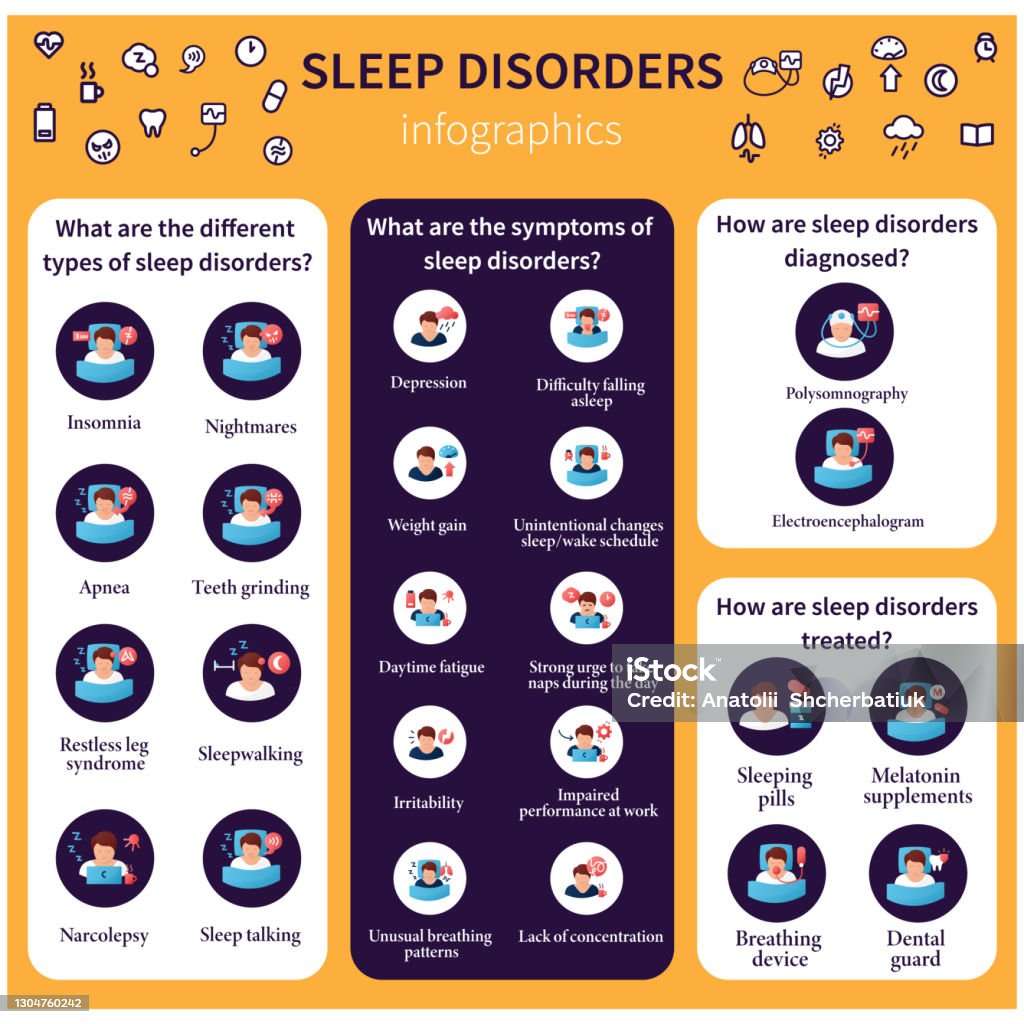
- Obstructive sleep apnea (OSA): A disorder characterized by repeated breathing interruptions during sleep, OSA affects an estimated 936 million adults globally [Sleep Apnea.org]. Untreated OSA is associated with a 4–6 times higher stroke risk, particularly in men under 50.
- Chronic insomnia: Difficulty falling or staying asleep, affecting approximately 10–15% of adults, has been linked to a 20% increase in stroke incidence over a 10-year period [JAMA Internal Medicine].
- Shift work and irregular sleep schedules: Employees in healthcare, transportation, and manufacturing—who often work night shifts—face a 50% higher stroke risk due to misaligned circadian rhythms [Neurology].
- Genetic predisposition: Family history of stroke or sleep disorders may increase susceptibility, though lifestyle modifications can mitigate some risks.
Symptoms of sleep-related stroke risk often go unnoticed. Snoring, daytime fatigue, morning headaches, and gasping for air during sleep are red flags for OSA. Insomnia may present as difficulty concentrating, irritability, or an inability to function on less than seven hours of sleep. “If you or someone you know experiences these symptoms, consulting a sleep specialist is not just advisable—it could be life-saving,” emphasizes Dr. Fischer.
Preventive Measures: What You Can Do to Protect Your Health
While the science is clear about the dangers of poor sleep, the good news is that many risk factors are preventable or manageable. Experts recommend the following steps to reduce stroke risk associated with sleep disturbances:
- Prioritize sleep hygiene:
- Establish a consistent sleep schedule, even on weekends.
- Avoid screens and caffeine at least 1–2 hours before bedtime.
- Create a relaxing pre-sleep routine (e.g., reading, meditation).
- Address sleep disorders:
- If you suspect OSA or insomnia, seek evaluation from a sleep medicine specialist. Treatments range from continuous positive airway pressure (CPAP) therapy to cognitive behavioral therapy for insomnia (CBT-I).
- For shift workers, gradual adjustments to sleep schedules and light exposure therapy can help align circadian rhythms.
- Monitor cardiovascular health:
- Regular blood pressure checks and cholesterol screenings are essential, especially for those with a family history of stroke.
- Adopt a heart-healthy diet (e.g., Mediterranean diet) and engage in regular physical activity.
- Limit alcohol and avoid smoking: Both substances exacerbate sleep disorders and independently increase stroke risk.
Early intervention is key. “The average stroke patient under 50 waits nearly two years from symptom onset to diagnosis,” says Dr. Fischer. “This delay is often due to misattributing symptoms—like severe headaches or temporary numbness—to stress or fatigue rather than recognizing them as potential warning signs of a stroke.” She advises anyone experiencing persistent sleep issues or stroke-like symptoms to seek medical attention promptly.
What’s Next? Ongoing Research and Public Health Initiatives
The relationship between sleep and stroke remains an active area of research. Current studies are exploring:
- Biomarkers in blood or saliva that could predict stroke risk in individuals with sleep disorders.
- The efficacy of wearable technology in monitoring sleep patterns and alerting users to potential risks.
- Public health campaigns targeting younger adults, particularly in high-risk professions like trucking or healthcare, to raise awareness about sleep-related stroke prevention.
In Germany, initiatives like the Deutsche Gesellschaft für Schlafforschung und Schlafmedizin (DGSM) are collaborating with stroke associations to integrate sleep health into national guidelines. Similar efforts are underway in the U.S., where the American Stroke Association has launched educational programs on sleep and cerebrovascular health.
For now, the message is clear: sleep is not just about feeling rested—it’s a cornerstone of long-term brain and heart health. As Dr. Fischer concludes, “We’re only beginning to understand the full scope of how sleep protects—or puts us at risk for—stroke. But one thing is certain: ignoring sleep disturbances is no longer an option, especially for those under 50.”
Key Takeaways
- Sleep disorders like OSA and chronic insomnia are linked to a significantly higher stroke risk, even in young adults.
- Poor sleep disrupts blood pressure regulation, inflammation control, and metabolic health—all critical factors in stroke prevention.
- Symptoms such as snoring, daytime fatigue, and irregular breathing during sleep warrant medical evaluation.
- Preventive measures include improving sleep hygiene, treating sleep disorders early, and adopting heart-healthy lifestyles.
- Research is advancing rapidly, with potential breakthroughs in biomarkers and wearable technology for stroke risk assessment.
Have you or someone you know experienced sleep-related health issues? Share your stories or questions in the comments below. For further reading, explore our guide to stroke prevention or connect with a sleep specialist in your area.