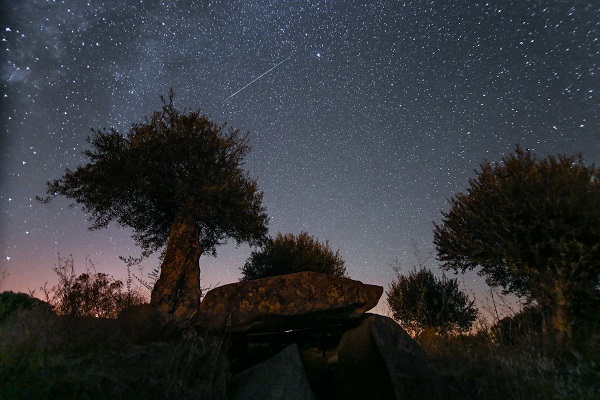
For most of the modern world, the night sky is a faded memory, obscured by the relentless amber glow of urban sprawl. But in the heart of Portugal’s Alentejo region, the darkness is not an absence of light—it is a curated luxury. Here, the stars are not merely visible; they are the primary attraction, driving a sophisticated surge in “astrotourism” that blends high-end hospitality with celestial science.
As a technology journalist, I have spent years analyzing how digital innovation shapes our lives, but there is a profound, analog power in the Alentejo night. The region has become a global sanctuary for those seeking to escape light pollution, offering a rare glimpse of the Milky Way in a clarity that feels almost cinematic. This isn’t just about camping under the stars; it is a structured movement to preserve the night sky as a natural heritage site.
The epicenter of this movement is the Alqueva Dark Sky Reserve, the first region in the world to receive the Starlight Tourism Destination certification. By implementing strict controls on light pollution and promoting sustainable lighting practices, the reserve has created a protected corridor of darkness that allows both professional astronomers and curious travelers to observe the cosmos with unprecedented precision.
For the modern traveler, this has given rise to “starlight hotels”—accommodations designed specifically to integrate astronomical observation into the guest experience. From architectural choices that maximize sky visibility to the provision of professional-grade telescopes, these retreats are redefining the concept of a luxury getaway by swapping city views for galactic vistas.
The Architecture of Darkness: How Alentejo Preserves the Night
Astrotourism depends entirely on the absence of artificial light, a challenge in an era of global urbanization. The Alqueva region has tackled this by treating darkness as a resource to be managed. The Starlight Foundation, the body responsible for the Starlight Tourism Destination certification, evaluates locations based on their ability to minimize light pollution while fostering an educational relationship between the public and the universe.
This certification is not merely a badge of honor; it requires a commitment to specific lighting ordinances. In the Alqueva reserve, lighting is directed downward, using specific color temperatures that minimize interference with the celestial spectrum. This ensures that the “atmospheric veil” remains thin, allowing for the observation of deep-sky objects—such as nebulae and distant galaxies—that are invisible in most other parts of Europe.
The timing for visiting in 2026 is particularly strategic. Astronomers have noted that we are currently experiencing the peak of Solar Cycle 25, a period of high solar activity. This increased activity often leads to more vivid and frequent aurora-like phenomena and heightened solar observations, making the clear skies of the Alentejo an ideal vantage point for witnessing these cosmic events.
Where Luxury Meets the Cosmos: Starlight Accommodations
The shift toward astrotourism has transformed the hospitality landscape of Alentejo. No longer content with standard rural tourism, several establishments have pivoted to offer “astronomical experiences” as a core part of their value proposition. These properties often combine traditional Portuguese architecture with cutting-edge observational tools.
One such example is the Torre de Palma Wine Hotel in Monforte. The property leverages its historical architecture, including a restored medieval tower, to provide guests with a natural observatory. By blending the region’s viticulture with astronomy, the hotel offers a sensory journey that begins with Alentejo wine tastings at sunset and culminates in guided stargazing sessions led by resident astronomers.
Similarly, the Monte da Estrela Country House & SPA focuses on the intersection of wellness and celestial observation. The philosophy here is “slow travel”—encouraging guests to disconnect from their digital devices and reconnect with the rhythms of the universe. These accommodations often provide specialized infrastructure, such as telescope decks and “star-beds” or glass-roofed suites, allowing guests to observe the constellations without leaving their rooms.
These establishments are not just providing a room; they are providing access. Many partner with the Alqueva Dark Sky Reserve to offer professional guided tours, where guests use high-aperture telescopes to locate planets and star clusters, transforming a passive vacation into an active educational experience.
The Technology of Stargazing: From Lenses to Apps
While the draw of the Alentejo is its natural darkness, the experience is significantly enhanced by the technology used to navigate the night sky. As someone with a background in computer science, I find the evolution of consumer astronomy tools particularly fascinating. The gap between professional observatories and amateur stargazing has narrowed considerably.
Modern astrotourists in Alentejo typically employ a combination of hardware and software to enhance their experience:
- Computerized GoTo Mounts: Many starlight hotels provide telescopes equipped with GoTo technology. These mounts use a database of celestial objects and a motorized system to automatically align and point the telescope toward a specific star or planet, removing the steep learning curve of manual star-hopping.
- Astrophotography Gear: The rise of mirrorless cameras with high ISO capabilities and wide-angle, fast lenses has allowed guests to capture the Milky Way in stunning detail. The Alentejo’s low light pollution makes it a premier destination for “nightscape” photography.
- Augmented Reality (AR) Sky Maps: Apps like Stellarium or SkyGuide allow travelers to hold their smartphones up to the sky and see real-time overlays of constellations, satellites, and planets, effectively turning the device into a digital window to the cosmos.
This synergy of nature and technology allows the Alentejo experience to be accessible to everyone, regardless of their prior knowledge of astronomy. The technology doesn’t distract from the experience; it acts as a bridge, translating the vastness of the sky into something understandable and engaging.
The Broader Impact: Why Preserving the Dark Matters
Beyond the allure of luxury travel, the push for astrotourism in Alentejo serves a critical environmental purpose. Light pollution is not merely a nuisance for astronomers; it is a significant ecological disruptor. Artificial light at night interferes with the circadian rhythms of humans and disrupts the migratory and mating patterns of countless nocturnal species.
By commodifying darkness through tourism, the Alentejo region has created an economic incentive to keep the skies dark. When the “darkness” of a region becomes a primary driver of tourism revenue, local governments and businesses are more likely to invest in sustainable lighting infrastructure. This creates a virtuous cycle where economic growth supports environmental preservation.
the psychological impact of “dark sky” experiences is becoming a recognized part of mental wellness. The feeling of “awe” experienced when viewing the scale of the universe has been linked to reduced stress and a shifted perspective on personal challenges—a form of cosmic mindfulness that is increasingly sought after in our hyper-connected, high-stress digital age.
Planning Your Celestial Escape
For those looking to experience the Alentejo night sky, timing and location are everything. The best visibility typically occurs during the new moon phase, when the moon’s own light does not wash out the fainter stars and nebulae. The summer months offer clear skies, but the winter months often provide a crisper atmosphere for observing deep-space objects.

Travelers should look for accommodations that are explicitly linked to the Visit Portugal sustainable tourism initiatives or those that hold the official Starlight certification. Booking a guided session with a certified astronomer is highly recommended, as they can provide the necessary context to turn a beautiful view into a meaningful lesson in astrophysics.
As we move further into 2026, the intersection of luxury travel, environmental stewardship, and astronomical technology will continue to evolve. The Alentejo region stands as a blueprint for how One can coexist with our environment without erasing the most fundamental view we have of our place in the universe.
The next major milestone for the region will be the upcoming seasonal celestial events and the continued expansion of the Starlight network across Portugal. Stay tuned for further updates on new certified destinations and astronomical events in the Iberian Peninsula.
Have you ever experienced a truly dark sky? Which constellations are on your must-see list? Share your thoughts and travel experiences in the comments below.