
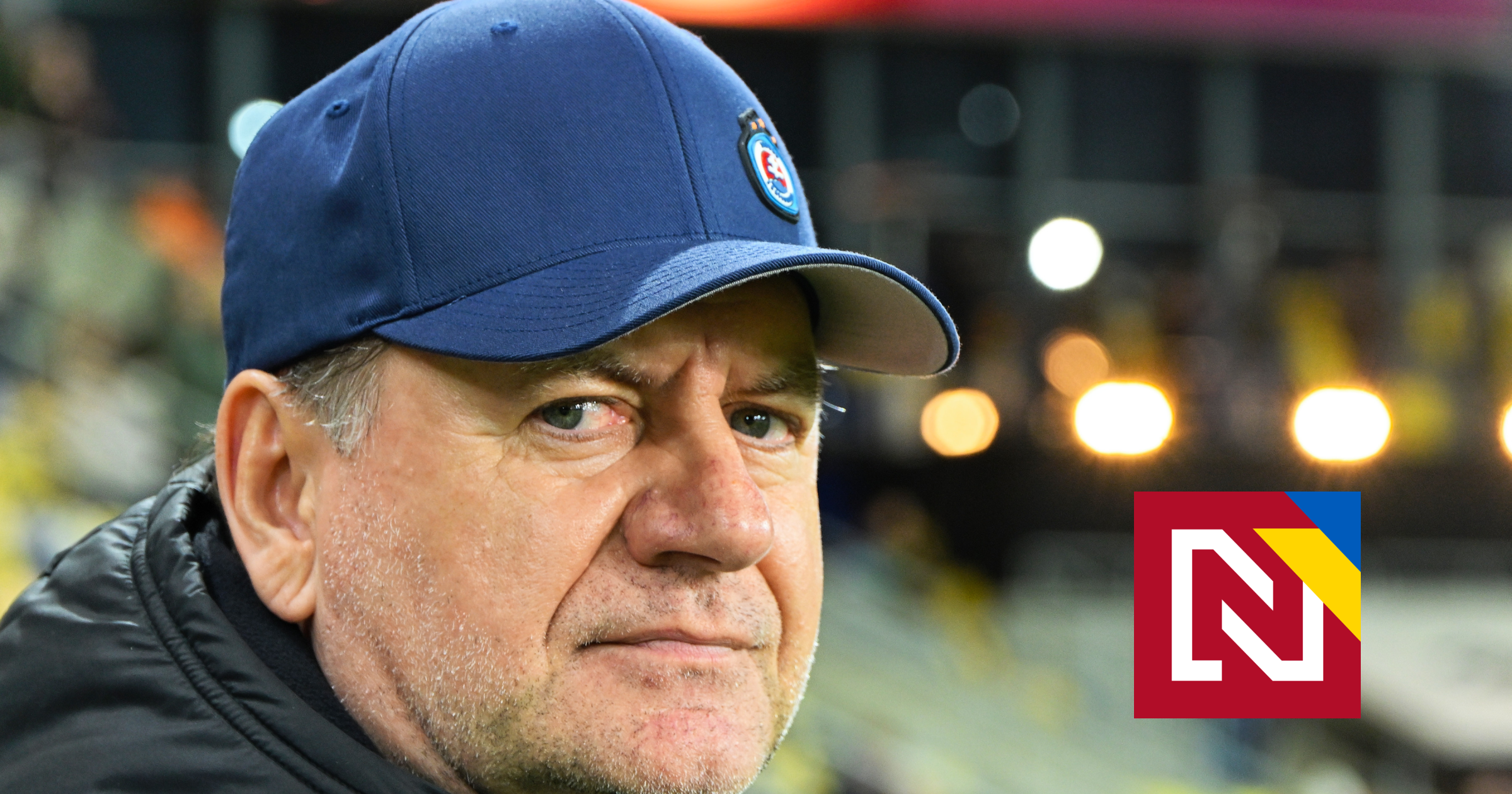
The landscape of Slovak football is currently defined by a volatile mix of nostalgia, ambition, and public friction. At the center of this storm is Vladimír Weiss Jr., a figure whose relationship with the Slovak national team and the domestic league has always been characterized by high stakes and high emotions. Recent admissions regarding his professional future have reignited a debate over the strategic direction of the national squad and the stability of the coaching bench at Slovan Bratislava.
The conversation has shifted from mere speculation to a public acknowledgment of interest. Weiss, who has a storied and often polarizing history with the national side, has admitted to receiving an offer to lead the Slovak national team once again. This revelation comes at a time when the Slovak Football Association (SFZ) is under constant scrutiny to maintain the momentum of the national team’s recent competitive cycles.
Although the national team remains a focal point, the internal dynamics at Slovan Bratislava—the country’s most successful club—are equally precarious. Ivan Kmotrík, the influential owner of the club, has signaled that the coaching question remains a primary topic of discussion. The intersection of these two roles—club success and national duty—creates a tension that often defines the career trajectories of Slovakia’s top tactical minds.
Adding to the complexity is the lingering shadow of Francesco Calzona’s departure. The Italian coach’s exit was not a quiet affair; instead, it was punctuated by sharp exchanges and allegations regarding his motivations and his perception of the Slovak football environment. Together, these developments paint a picture of a footballing culture grappling with its identity and the pressure to perform on the European stage.
Vladimír Weiss and the National Team Lure
The admission by Vladimír Weiss Jr. Regarding an offer to return to the national team has sent ripples through the Slovak sports community. Weiss is no stranger to the pressures of the national role, having served as the head coach during two distinct periods. His first tenure was marked by the historic qualification for the 2010 FIFA World Cup, while his second stint saw a mixture of tactical evolution and public criticism.
The nature of the current offer remains a point of intense discussion. In the world of international management, the line between an informal inquiry and a formal proposal is often blurred. However, Weiss’s willingness to acknowledge the offer suggests a level of openness to returning to the helm of the national squad. This potential return would represent a gamble for the SFZ, balancing Weiss’s proven ability to organize a competitive side against the historical friction he has had with certain players and segments of the media.
The timing is critical. Slovakia’s national team has sought consistency in its tactical approach, and the prospect of bringing back a familiar face like Weiss suggests a desire for a known quantity. For Weiss, the national team represents the pinnacle of professional achievement in Slovakia, offering a platform to cement his legacy beyond the domestic league.
The Coaching Puzzle at Slovan Bratislava
While the national team offers prestige, the daily reality for Weiss is the intense pressure of managing Slovan Bratislava. The club is not merely a sports entity but a symbol of dominance in the Slovak Super Liga. Under the ownership of Ivan Kmotrík, the expectations are binary: total victory or failure. Kmotrík has indicated that the coaching situation is a recurring theme in the club’s strategic planning, suggesting that no position is ever truly secure, regardless of past success.
The “coaching question” at Slovan often revolves around the balance between domestic dominance and European competitiveness. For Weiss, managing Slovan requires a delicate navigation of Kmotrík’s expectations and the demands of a demanding fan base. The possibility of a national team appointment would inevitably complicate his relationship with the club, as the dual-role or a sudden departure could leave the club in a state of transition during critical phases of the season.
This instability is a hallmark of the club’s recent history. The frequent turnover of coaching staff reflects a culture of immediate results. When Kmotrík describes the coaching role as a topic
, This proves often a signal that the club is evaluating whether the current trajectory aligns with its long-term ambitions of becoming a consistent force in UEFA competitions.
The Calzona Departure and the Italian Friction
The departure of Francesco Calzona from the Slovak national team added a layer of diplomatic tension to the current sporting climate. Calzona, who stepped in to provide stability and tactical discipline, did not leave without voicing his frustrations. Upon returning to Italy, the coach expressed a dislike for the speculation
that surrounded his tenure and the way the Slovak media and public scrutinized his decisions.
The friction escalated when reports emerged regarding Calzona’s views on the Slovak football environment. The Italian coach’s comments were perceived by some as dismissive, creating a narrative of a clash between Italian tactical rigidity and the local footballing culture. This tension highlights a recurring theme in Slovak football: the difficulty of integrating foreign expertise when that expertise clashes with local expectations or the perceived lack of transparency in the SFZ.
Further complicating the narrative are the allegations brought forward by journalist Kocian, who claimed that Calzona’s project in Slovakia was not solely about sporting merit but was linked to interests involving investors from the Arab world. These claims suggest that the coaching appointment may have been influenced by broader financial or geopolitical ambitions rather than purely tactical needs. While these allegations remain contested, they contribute to a sense of opacity surrounding the high-level decision-making processes within the national team’s management.
Player Relations and the Weiss-Šporar Dynamic
Beyond the boardroom and the federation, the success of any coach depends on the locker room. Vladimír Weiss Jr. Has often faced challenges in this area, most notably in his relationship with key players. A recent point of contention involved Adam Šporar, one of Slovakia’s most potent attacking threats.

The tension between the coach and the player became public when Weiss responded to criticisms regarding his management style. Weiss acknowledged that he is not a universally loved figure, stating that while people do not have to like him, hatred is an unnecessary extreme. This admission reflects the “hard-line” approach Weiss employs—a method that can produce results on the pitch but often leaves a trail of strained professional relationships.
The relationship between a coach and a star striker is often the barometer for a team’s health. When a coach’s authority is questioned by a primary goal-scorer, it creates a divide that can permeate the rest of the squad. For Weiss, the challenge of returning to the national team would be not just tactical, but psychological—rebuilding bridges with players who may have felt alienated by his previous tenures.
What This Means for Slovak Football
The current state of affairs suggests that Slovak football is at a crossroads. The reliance on figures like Vladimír Weiss Jr. Indicates a preference for internal solutions and known entities, but the friction surrounding his appointments suggests that the underlying issues of communication and trust have not been resolved.
The contrast between the domestic stability of Slovan Bratislava and the international aspirations of the national team creates a tug-of-war for the country’s best coaching talent. If Weiss were to accept a national team role, it would likely trigger a fresh cycle of instability at Slovan, while potentially stabilizing the national team in the short term.
Meanwhile, the Calzona episode serves as a cautionary tale about the integration of foreign coaches. The gap between the expectations of the SFZ and the reality of the Slovak footballing environment can lead to abrupt exits and public disputes, which ultimately distracts from the goal of on-pitch performance.
Key Takeaways for the Season
- National Team Interest: Vladimír Weiss Jr. Has admitted to an offer to lead the national team, though a formal appointment has not been finalized.
- Slovan Instability: Ivan Kmotrík continues to view the coaching position at Slovan Bratislava as a subject of ongoing discussion.
- Calzona’s Legacy: The Italian coach’s departure was marked by criticism of Slovak speculation and allegations of external financial influences.
- Locker Room Tension: The relationship between Weiss and players like Adam Šporar underscores the polarizing nature of Weiss’s leadership style.
The next critical checkpoint for Slovak football will be the official announcements from the Slovak Football Association regarding the long-term management of the national team and the finalization of the coaching structure at Slovan Bratislava for the upcoming competitive cycle. As the European calendar progresses, these decisions will determine whether Slovakia can translate its individual talent into collective success.
Do you believe Vladimír Weiss Jr. Is the right choice to lead the national team back to the top, or is it time for a completely fresh direction in Slovak football? Share your thoughts in the comments below.