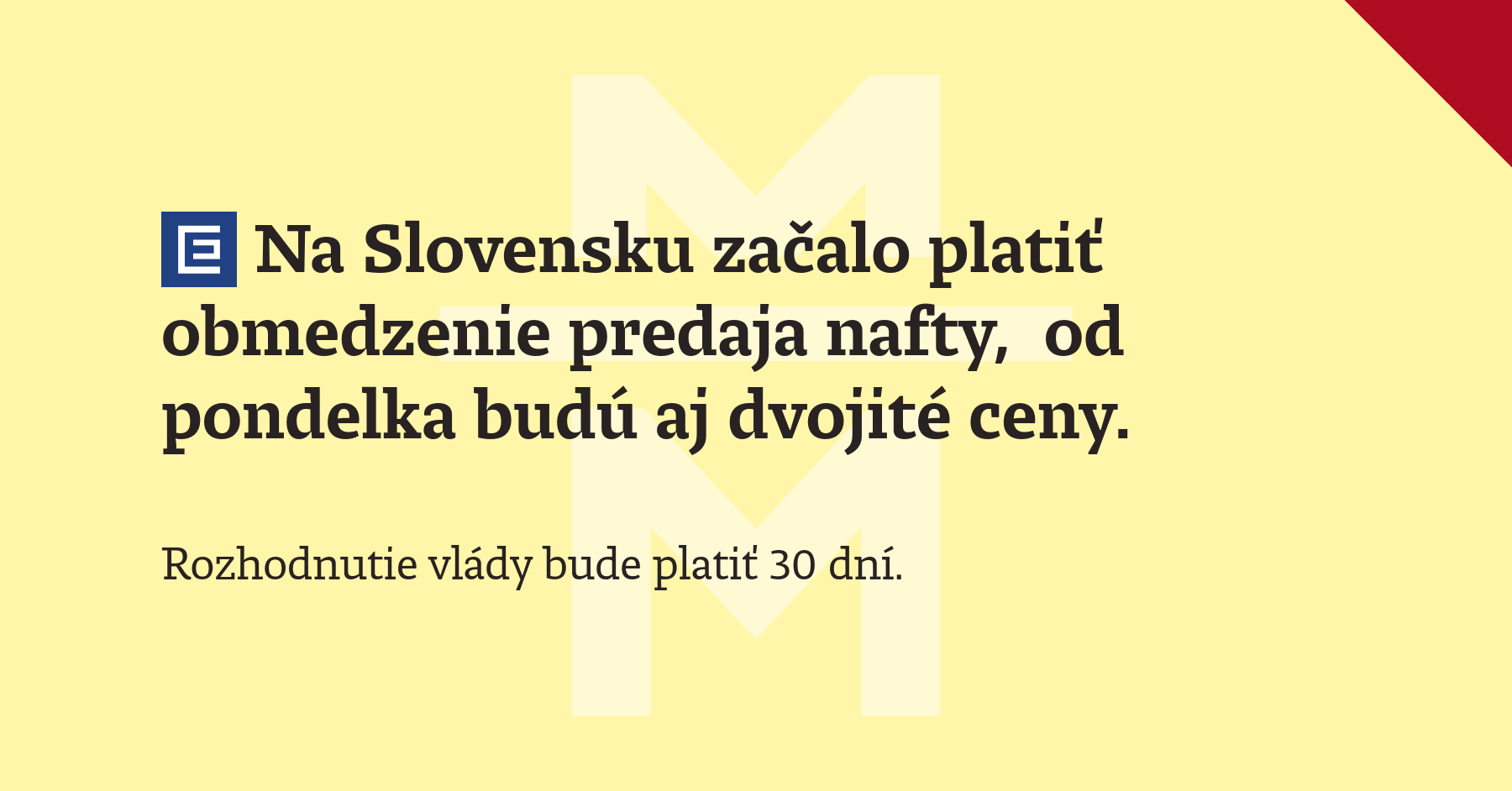
Slovakia Imposes Restrictions on Diesel Sales, Higher Prices for Foreign Drivers
Bratislava has moved to curb fuel tourism and address supply concerns by implementing a 30-day restriction on diesel sales and introducing a pricing scheme that will see foreign-registered vehicles paying significantly more for the fuel. The measures, enacted on Wednesday, March 19, 2026, come amid a declared state of energy emergency following disruptions to Russian oil deliveries via the Druzhba pipeline through Ukraine earlier this year. The Slovak government alleges a surge in cross-border fuel purchases, particularly from Poland, prompted the intervention. The move aims to stabilize domestic supply and prevent shortages, but has raised concerns about potential impacts on regional trade and travel.
Under the new regulations, diesel sales are limited to the amount needed to fill a vehicle’s tank, plus a single 10-liter canister. A maximum purchase of 400 euros worth of diesel – equivalent to over 200 liters – is permitted per transaction. Exemptions are in place for Slovak police, military, and emergency services. Crucially, the regulations do not apply to gasoline sales, focusing solely on diesel fuel. The decision reflects a specific concern over the outflow of diesel to neighboring countries where prices are currently higher.
Fuel Tourism and the Energy Emergency
The Slovak government’s decision is directly linked to the declared state of energy emergency, triggered in February following disruptions to oil supplies via the Druzhba pipeline. According to a statement released by the Ministry of Economy, the pipeline disruptions created a vulnerable situation, prompting the government to take preventative measures to ensure sufficient fuel reserves for domestic consumption. Nafta, Slovakia’s leading hydrocarbon exploration and production company, plays a key role in the country’s energy infrastructure, including underground gas storage, and is likely involved in managing these reserves.
Officials claim that the price differential between diesel in Slovakia and neighboring countries, particularly Poland, led to a significant increase in “fuel tourism,” with drivers crossing the border specifically to take advantage of lower prices. This surge in demand reportedly strained domestic supplies and contributed to concerns about potential shortages. The government’s response is intended to discourage this practice and prioritize fuel availability for Slovak citizens and businesses. The extent to which fuel tourism was impacting supply remains a point of contention, but the government has presented it as a primary justification for the restrictions.
Pricing for Foreign Vehicles
A key component of the new regulations is the pricing mechanism for diesel purchased by vehicles with foreign license plates. The Slovak Ministry of Finance will determine this price based on the average diesel price in Austria, the Czech Republic, and Poland, all of which currently have higher diesel prices than Slovakia. As of March 18, 2026, this average price was set at 1.826 euros per liter, significantly higher than the domestic price. Denník N reported that this price was determined following a government resolution.
This tiered pricing system is designed to eliminate the incentive for foreign drivers to purchase diesel in Slovakia solely to benefit from lower prices. While the government argues Here’s a necessary measure to protect domestic supplies, it could potentially lead to friction with neighboring countries and concerns about discrimination. The legality of the pricing scheme under EU regulations remains a potential point of contention, and could be subject to legal challenge.
Impact and Reactions
The immediate impact of the regulations has been a noticeable change at Slovak gas stations, with attendants enforcing the purchase limits and applying the higher price for foreign-registered vehicles. Reports from border crossings indicate longer queues as drivers adjust to the new rules. The restrictions are expected to particularly affect Polish commuters and truck drivers who regularly cross the border into Slovakia.
The response from neighboring countries has been muted so far, but officials in Poland have expressed concern about the potential impact on cross-border trade and travel. There are calls for a diplomatic solution to address the issue and avoid escalating tensions. The European Commission has not yet issued a formal statement on the matter, but is likely monitoring the situation to ensure compliance with EU regulations regarding free movement of goods and non-discrimination.
Broader Context: Energy Security in Central Europe
Slovakia’s decision to restrict diesel sales and impose higher prices for foreign drivers is part of a broader trend of heightened energy security concerns in Central Europe. The war in Ukraine has exposed the region’s vulnerability to disruptions in Russian energy supplies, prompting governments to diversify their energy sources and strengthen their domestic reserves. Nafta’s operations in Slovakia, the Czech Republic, Germany, Austria, and Ukraine are increasingly important as the company focuses on both hydrocarbon exploration and underground gas storage.
The Druzhba pipeline, a major artery for Russian oil deliveries to Europe, has been subject to intermittent disruptions since the start of the conflict, raising concerns about supply shortages. Slovakia, heavily reliant on Russian oil, has been actively seeking alternative sources, but the transition is proving challenging. The current restrictions on diesel sales are a temporary measure intended to mitigate the immediate risks, but a long-term solution requires a more comprehensive strategy to enhance energy independence.
Key Takeaways
- Slovakia has imposed a 30-day restriction on diesel sales and introduced higher prices for foreign-registered vehicles.
- The measures are intended to curb “fuel tourism” and address supply concerns related to disruptions in Russian oil deliveries.
- Diesel sales are limited to the amount needed to fill a vehicle’s tank plus a 10-liter canister, with a maximum purchase of 400 euros.
- Foreign drivers will pay an average price of 1.826 euros per liter, based on prices in Austria, the Czech Republic, and Poland.
- The regulations reflect broader energy security concerns in Central Europe and Slovakia’s efforts to diversify its energy sources.
The Slovak government is expected to review the effectiveness of the regulations after 30 days and determine whether further measures are necessary. The situation remains fluid, and the impact on regional trade and travel will continue to be monitored closely. The next key development will be the Ministry of Finance’s ongoing assessment of diesel prices in neighboring countries and any adjustments to the pricing scheme for foreign vehicles.
What are your thoughts on Slovakia’s new fuel regulations? Share your comments below and let us know how these changes might affect you.
Related reading