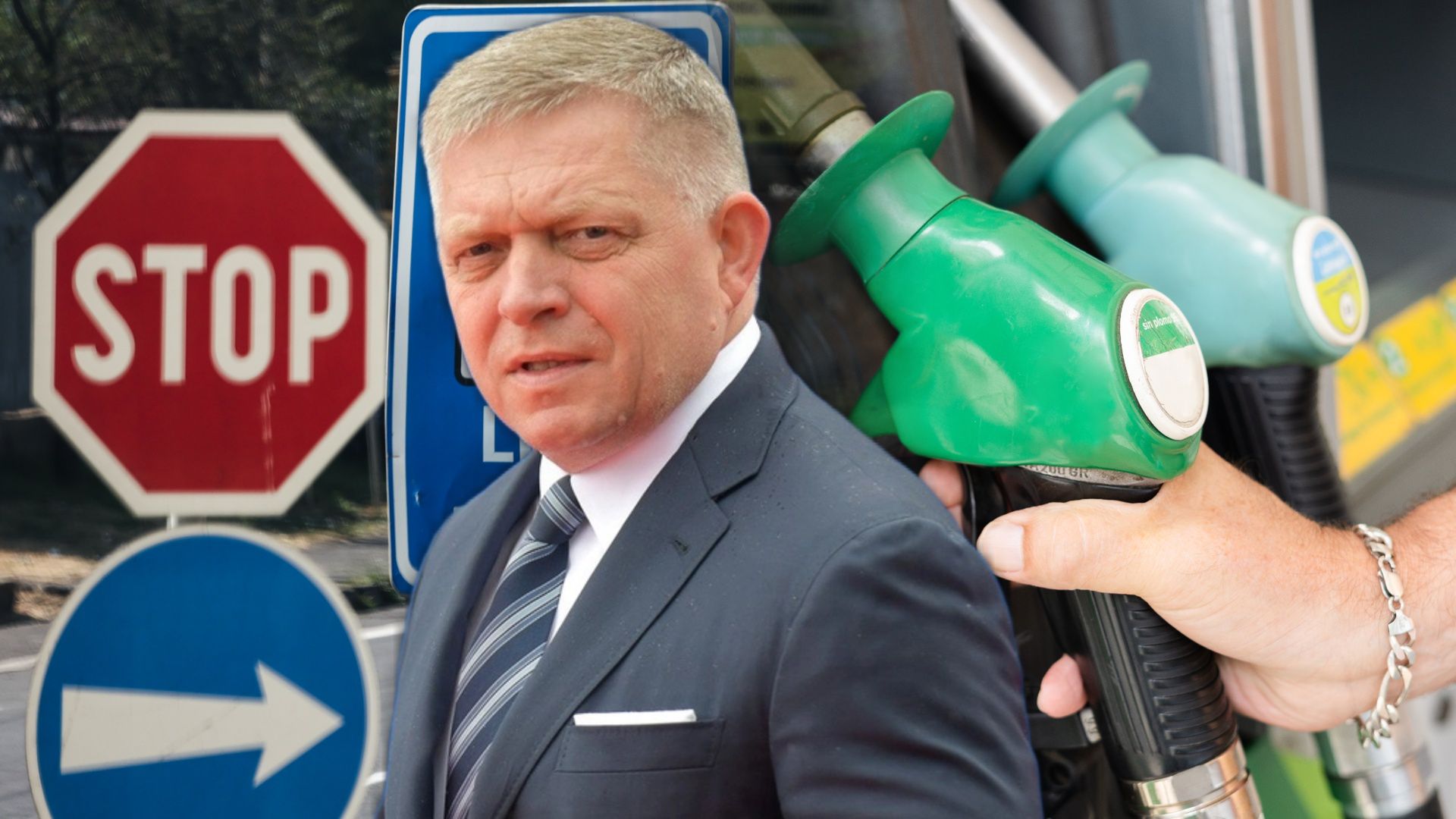
Bratislava, Slovakia – New regulations implemented by the Slovak government are causing disruption at fuel stations and raising concerns across borders, particularly in neighboring Poland. The measures, designed to address dwindling diesel supplies and what officials are calling “fuel tourism,” include restrictions on self-service stations and limitations on diesel exports. The situation stems from a confluence of factors, including rising global oil prices and, critically, the suspension of Russian oil transit via the Druzhba pipeline.
The Slovak government, led by Prime Minister Robert Fico, announced the temporary restrictions on Thursday, March 19, 2026, with the intention of stabilizing the domestic fuel market and preventing shortages. While the exact details of which stations will be forced to close remain fluid, those unable to comply with the new rules – which haven’t been fully detailed publicly – will be required to suspend operations. Simultaneously, a temporary restriction on diesel exports has been enacted, impacting both European Union member states and countries outside the bloc. Individuals are now limited to transporting diesel only within the fuel tank of their vehicle.
Fuel Shortages and Export Restrictions
The immediate impact of these measures has been felt in Poland, with reports of long queues forming at petrol stations near the Slovakian border. Polish drivers are reportedly crossing into Slovakia to purchase fuel, exacerbating the shortages within Slovakia and prompting the export restrictions. The situation mirrors a similar surge in demand at Polish fuel stations from German drivers in recent months, as reported by Flashscore, highlighting a regional trend of cross-border fuel purchasing.
According to the Slovak government, the export limitations are slated to remain in effect for 30 days, providing a temporary measure to address the immediate crisis. The regulations are expected to be formally published in the official gazette on Thursday, solidifying their legal standing. Premier Fico has publicly criticized what he terms “fuel tourism,” attributing it to the localized shortages experienced across the country. In February, the government had already declared a state of emergency in the oil sector and initiated the release of strategic reserves in response to the disruption of Russian oil supplies via the Druzhba pipeline, as reported by Money.pl.
The Druzhba Pipeline and Regional Impact
The root of the current crisis lies in the disruption of oil flow through the Druzhba pipeline, a critical artery for Russian crude oil destined for Central and Eastern Europe. Following an incident on January 27th involving damage to the pipeline in the Brody region of western Ukraine, transit was halted. This incident has disproportionately affected Slovakia and Hungary, both of which remain reliant on Russian oil despite European Union sanctions imposed on Russia following the invasion of Ukraine. These two nations were granted exemptions from the EU’s oil embargo due to their specific infrastructural limitations and dependence on Russian supplies.
The suspension of transit through Druzhba has forced Slovakia to rely more heavily on alternative sources of oil, a process that has proven challenging and contributed to the current supply constraints. The situation underscores the vulnerability of Central and Eastern European nations to disruptions in Russian energy supplies and the ongoing geopolitical ramifications of the conflict in Ukraine. The Slovak government’s decision to activate its strategic oil reserves in February was a direct response to this vulnerability, aiming to mitigate the immediate impact of the pipeline disruption.
Germany’s Recent Footballing Setback and Economic Context
While seemingly unrelated, Germany’s recent 2-0 defeat to Slovakia in a World Cup qualifying match on September 4, 2025, as reported by Sportowefakty, highlights a broader sense of unease within the country. The poor performance of the national football team, coupled with economic challenges including rising energy costs, reflects a period of uncertainty. The increased demand for fuel in Poland from German citizens, as evidenced by the queues at Polish petrol stations, is likely linked to the comparatively higher fuel prices in Germany and the desire to avoid potential shortages.
The situation in Slovakia is also impacting broader European energy markets. The restrictions on diesel exports, even if temporary, contribute to supply chain disruptions and potentially drive up prices across the region. The European Commission is monitoring the situation closely, assessing the potential impact on neighboring countries and exploring options to ensure energy security within the EU. The long-term implications of the Druzhba pipeline disruption remain uncertain, and the demand for diversification of energy sources is becoming increasingly apparent for countries reliant on Russian oil.
Impact on Polish Consumers and Cross-Border Trade
The immediate consequence of Slovakia’s export restrictions is a noticeable strain on Polish consumers, particularly those living near the border. The surge in demand at Polish petrol stations, as reported by local media, is leading to longer queues and, in some cases, localized fuel shortages. While Polish fuel supplies are currently adequate, the influx of vehicles from Slovakia is putting pressure on distribution networks and potentially driving up prices. The Polish government has not yet announced any specific measures to address the situation, but is closely monitoring developments.
The situation also raises questions about the future of cross-border trade in fuel within the EU. While the free movement of goods is a fundamental principle of the European Union, member states are permitted to impose temporary restrictions in exceptional circumstances, such as those related to national security or public health. Slovakia’s decision to limit diesel exports falls under this provision, but its long-term impact on regional trade relations remains to be seen. The European Commission will likely assess whether the restrictions are proportionate to the threat and comply with EU law.
The Slovak government’s actions are a clear indication of the growing energy challenges facing Europe. The combination of geopolitical instability, rising oil prices, and disruptions to critical infrastructure is creating a volatile and unpredictable energy landscape. The situation in Slovakia serves as a stark reminder of the need for greater energy independence and diversification, as well as enhanced cooperation among European nations to ensure energy security for all.
The next key development will be the official publication of the new regulations in the Slovak official gazette, expected on Thursday, March 19, 2026. This will solidify the legal basis for the restrictions and provide further clarity on their implementation. Readers are encouraged to share their experiences and perspectives on this developing situation in the comments below.
Keep reading
- SK Sturm Graz Women: Official Name Change
- Venezuela Records Over 1,331 Aftershocks Following Deadly June Earthquakes
- Iran War Updates: U.S. launches 7th straight day of strikes as traffic freezes up in Strait of Hormuz (archyworldys.com)
- Poland’s Food and Meat Export Boom: Growth, Records, and Challenges (archyde.com)