Slovakia Declares State of Emergency as Russian Oil Supply Disrupted, Accusations Fly
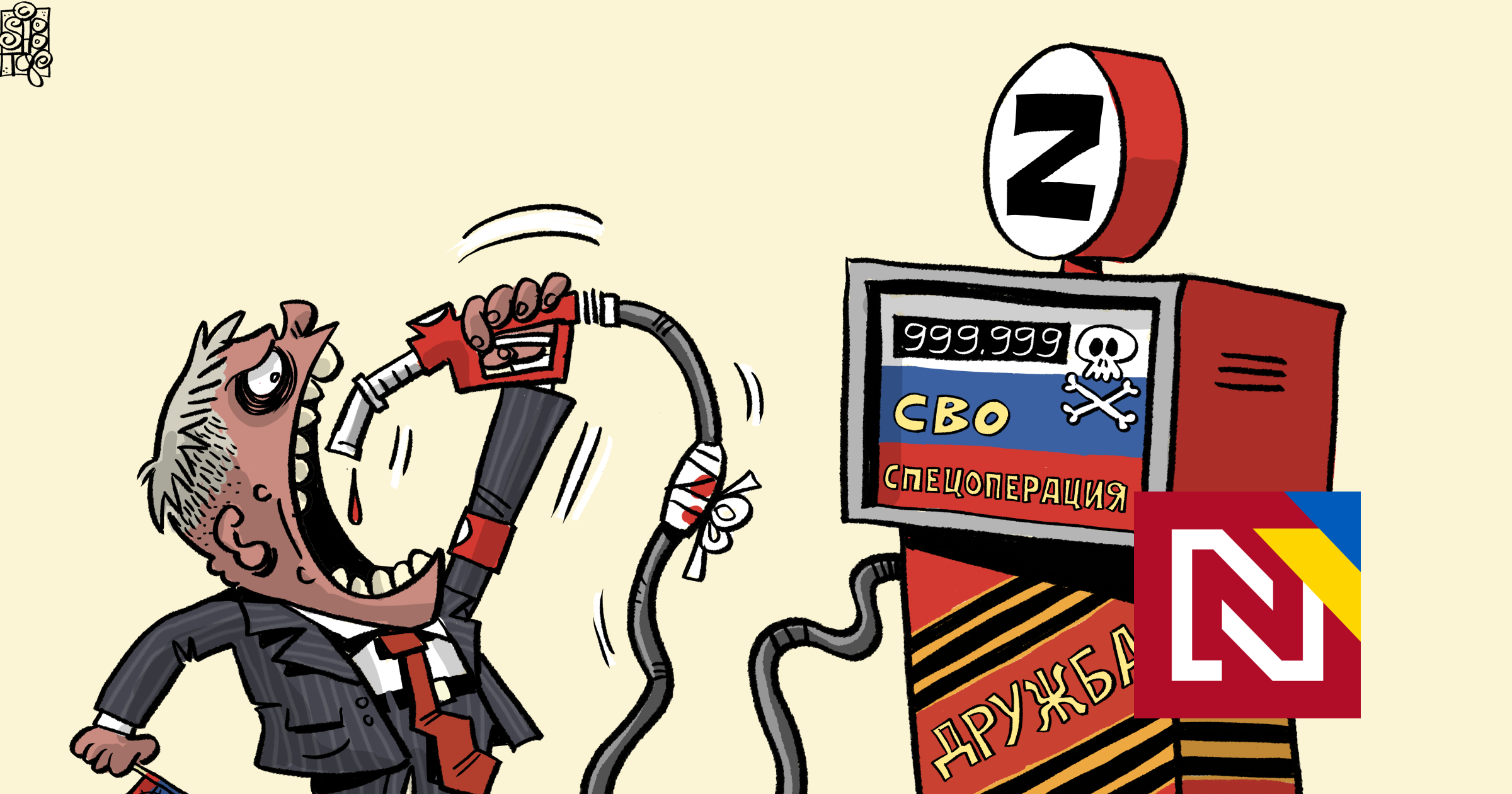
Bratislava, Slovakia – The Slovak government has declared a state of emergency due to disruptions in Russian oil supplies via the Druzhba pipeline, a situation exacerbated by accusations leveled by Prime Minister Robert Fico against Ukrainian President Volodymyr Zelenskyy. The move, announced on Wednesday and taking effect Thursday, February 20, 2026, allows the state to loan up to 250,000 tons of oil from its strategic reserves to the Slovnaft refinery in Bratislava, aiming to mitigate potential fuel shortages. The crisis stems from interruptions in the flow of Russian crude oil through Ukraine, a key transit route for supplies to both Slovakia and Hungary. The situation highlights the ongoing vulnerabilities in Central Europe’s energy security and the complex geopolitical dynamics surrounding the conflict in Ukraine.
The Slovak government’s decision to tap into its emergency reserves underscores the severity of the situation. According to Prime Minister Fico, the disruption isn’t simply a technical issue but is linked to deliberate actions hindering the resumption of oil transport. He has publicly blamed President Zelenskyy for blocking the restoration of oil flow through the Druzhba pipeline, despite claims that the damaged section within Ukrainian territory has been repaired. Fico went further, threatening to reconsider Slovakia’s support for Ukraine’s aspirations to join the European Union if the situation isn’t resolved. This rhetoric has raised concerns about potential shifts in Slovakia’s foreign policy and its commitment to supporting Ukraine.
Disrupted Supply Chain and Emergency Measures
Deliveries of Russian oil via the Druzhba pipeline to Slovakia and Hungary have been halted since January, following reported attacks on Ukrainian energy infrastructure. Although international media outlets attribute these attacks to Russia, Fico has refrained from assigning blame, stating that the source of the damage remains unclear. Aktuality.cz reports that Fico’s statements have sparked controversy, with critics accusing him of aligning with Russian narratives. The state’s loan of oil to Slovnaft is intended to provide a temporary solution, allowing the refinery to continue operations while seeking alternative supply routes, specifically through the Adria pipeline.
Slovnaft, a refinery owned by the Hungarian MOL Group, has already begun taking steps to secure alternative supplies, including ordering tankers of oil. According to Gabriel Szabó, Slovnaft’s General Director, the refinery anticipates returning to full production capacity by early April. Although, the immediate impact of the supply disruption has forced Slovnaft to curtail operations, shutting down one processing unit with a daily capacity of 8,500 tons and reducing output at another. The state’s oil loan is designed to bridge the gap until these alternative arrangements are fully in place. The loan will be available until the end of September 2026.
Slovakia Halts Oil Exports to Ukraine, Further Escalating Tensions
In a related development, Slovakia has suspended exports of oil products, specifically diesel, to Ukraine. Ekonomickydenik.cz reports that this decision is a direct response to the disruption of Russian oil deliveries via the Druzhba pipeline. Hungary has taken a similar step, halting its own diesel exports to Ukraine until the transit of Russian oil through Ukrainian territory is restored. While the impact on Ukraine’s overall diesel supply is estimated to be relatively limited – around 10%, according to energy expert Dmytro Ljouškin – the move represents a further escalation of tensions between Slovakia and Ukraine.
Fico has framed the halt in exports as a consequence of Ukraine’s actions, suggesting that Kyiv is attempting to leverage the energy situation for political gain in its bid for EU membership. He has warned that Slovakia may reconsider its support for Ukraine’s EU aspirations if the situation persists. This stance has drawn criticism from opposition parties and analysts, who argue that it undermines Slovakia’s commitment to European solidarity and its support for Ukraine’s sovereignty. The move too raises questions about the potential for further retaliatory measures and the broader implications for regional energy security.
Regional Implications and Alternative Supply Routes
The disruption to oil supplies via the Druzhba pipeline highlights the vulnerability of Central European nations to disruptions in Russian energy exports. Both Slovakia and Hungary are heavily reliant on Russian oil, and the current crisis underscores the demand for diversification of energy sources. The Adria pipeline, which connects to the Mediterranean Sea, represents a potential alternative route for Slovnaft, but it will require significant investment and logistical adjustments to fully replace the Druzhba pipeline. The Slovak government is reportedly working to facilitate these adjustments, but the process is expected to take time.
The situation also raises broader questions about the future of Russian energy exports to Europe. The ongoing conflict in Ukraine and the imposition of sanctions on Russia have already led to a significant reduction in Russian gas supplies to Europe. The disruption to oil supplies via the Druzhba pipeline could further accelerate the trend towards energy independence from Russia, prompting European nations to seek alternative suppliers and invest in renewable energy sources. However, the transition will likely be challenging and could lead to higher energy prices in the short term.
Fico’s Accusations and Diplomatic Fallout
Prime Minister Fico’s direct accusations against President Zelenskyy have further strained relations between Slovakia and Ukraine. SITA.sk reports that Fico has accused Zelenskyy of “political blackmail” and even threatened to halt electricity supplies to Ukraine. These statements have been met with condemnation from Ukrainian officials and have raised concerns about the potential for a further deterioration in bilateral relations. The accusations are based on what Fico claims are intelligence reports, but the details of these reports have not been publicly disclosed.
The situation also has implications for Slovakia’s standing within the European Union. Fico’s rhetoric and his willingness to challenge EU policy on Ukraine have raised questions about his commitment to European values and his alignment with the bloc’s foreign policy objectives. The EU has repeatedly expressed its support for Ukraine and has imposed sanctions on Russia in response to its aggression. Slovakia’s actions could potentially undermine these efforts and create divisions within the EU.
Key Takeaways
- Slovakia has declared a state of emergency due to disruptions in Russian oil supplies via the Druzhba pipeline.
- Prime Minister Robert Fico has accused Ukrainian President Volodymyr Zelenskyy of blocking the resumption of oil transport.
- Slovakia has suspended exports of oil products to Ukraine in response to the supply disruption.
- The crisis highlights the vulnerability of Central European nations to disruptions in Russian energy exports.
- The situation could have broader implications for regional energy security and Slovakia’s relations with the EU and Ukraine.
The Slovak government is expected to continue monitoring the situation closely and to take further steps as necessary to ensure the security of its energy supplies. The next key development will be the assessment of the effectiveness of the oil loan to Slovnaft and the progress made in securing alternative supply routes. Further diplomatic efforts will also be crucial to resolving the dispute with Ukraine and preventing a further escalation of tensions. Readers are encouraged to share their thoughts and perspectives on this developing situation in the comments below.
Related reading