Slovenia’s Controversial New Security Law Faces EU Scrutiny – A Deep Dive
A recently enacted Slovenian law granting extensive powers to police in designated “security zones” is drawing sharp criticism and prompting a formal review by the European commission. The legislation, passed just ahead of upcoming national elections, has ignited a debate about minority rights, civil liberties, and the very principles of the European Union.
This isn’t simply a domestic issue; it raises fundamental questions about the EU’s ability to uphold its own standards regarding democracy and the rule of law. Let’s break down what’s happening, why it matters, and what you need to know.
What Does the Law Do?
The core of the controversy lies in the law’s broad scope. It essentially allows authorities to establish security zones in specific neighborhoods, granting police increased authority over residents within those areas. Critics argue this effectively treats entire communities – specifically, Slovenia’s ethnic minority populations – as potential security threats.
Here’s a closer look at the key concerns:
* Collective Punishment: The law doesn’t target individuals based on suspected wrongdoing, but rather entire communities. This raises serious concerns about collective punishment and discrimination.
* Erosion of civil Liberties: increased police powers within security zones could lead to unwarranted surveillance, restrictions on movement, and limitations on freedom of assembly.
* Political Motivation: The timing of the law’s passage, just before national elections, fuels accusations that it’s a politically motivated attempt to appeal to nationalist sentiments.
Why the Outcry?
the concerns aren’t limited to opposition parties. Human rights organizations and legal experts have voiced strong objections, arguing the law violates fundamental principles of fairness and due process. As one prominent critic noted, Slovenia has essentially “passed a law that treats an entire minority as a security threat” – a situation rarely acknowledged within the EU.
This is particularly troubling as it undermines the EU’s credibility on the international stage. How can the Union effectively advocate for democracy and the rule of law elsewhere if it allows such practices within its own borders? As the critic pointed out, “A union that allows fear to become policy at home cannot lecture its neighbours.”
Public opinion & Political Context
Despite the criticism, public opinion in slovenia appears divided. A recent survey by Mediana for RTV Slovenia revealed that over 60% of respondents support the government’s response and,by extension,the law. This suggests a notable level of public concern about security and a willingness to accept potentially restrictive measures.
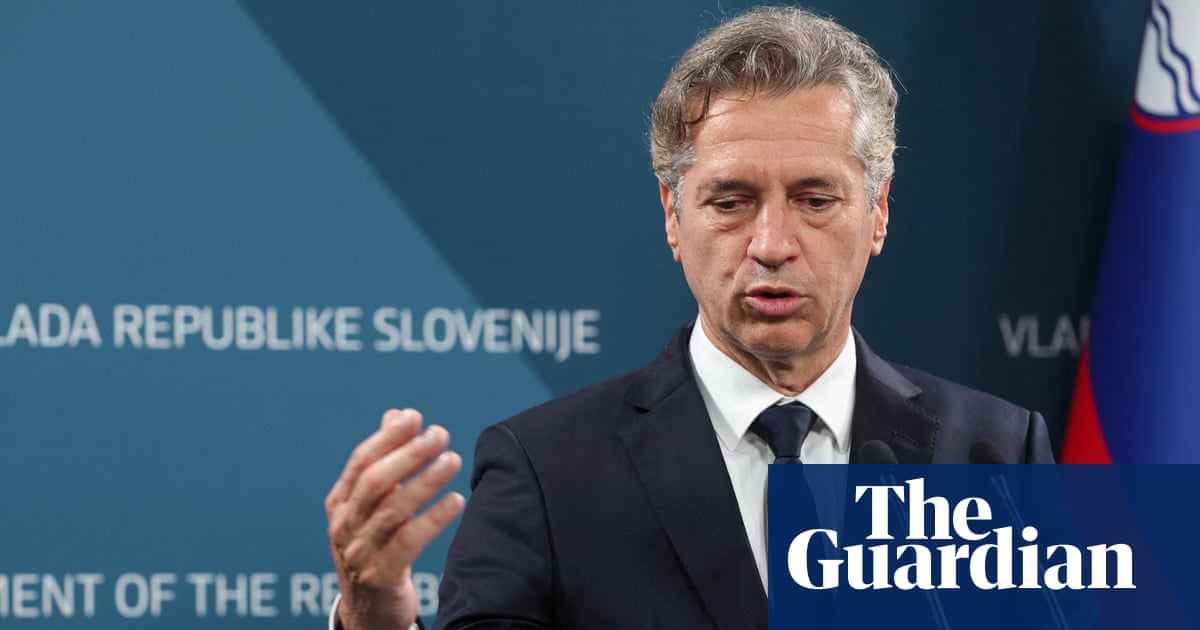
The law’s passage also occurs within a highly charged political habitat. Prime Minister Robert Golob‘s centre-left coalition is facing a strong challenge from the right-wing Slovenian Democratic Party (SDS), led by former Prime Minister Janez Janša, in the upcoming March elections. The SDS has consistently taken a hard line on immigration and security issues, and the new law may be an attempt by Golob’s government to counter that narrative.
What Happens Next?
The European Commission has announced it will examine the Slovenian law to determine if it complies with EU law and fundamental rights standards. this review could lead to several outcomes:
* No Action: The commission could determine the law is within Slovenia’s sovereign rights and doesn’t violate EU law.
* Formal Warning: The Commission could issue a formal warning to Slovenia, demanding changes to the law.
* Legal Action: In the most serious scenario, the Commission could take Slovenia to the European Court of justice.
Nonetheless of the outcome, this situation highlights a growing tension within the EU: the balance between national security concerns and the protection of fundamental rights.
What This Means for You
If you’re following European politics, this case serves as a crucial reminder that the principles of democracy and the rule of law are not always guaranteed, even within the EU. It’s a situation that demands vigilance and a commitment to upholding fundamental rights for all.
As the EU continues to grapple with issues of migration, security, and national identity, cases like this will likely become more frequent. Staying informed and engaging in constructive dialog are essential to ensuring a future where the values of freedom,fairness,and respect for human rights are upheld across the continent.
Resources:
* [The Guardian Article](https
Worth a look