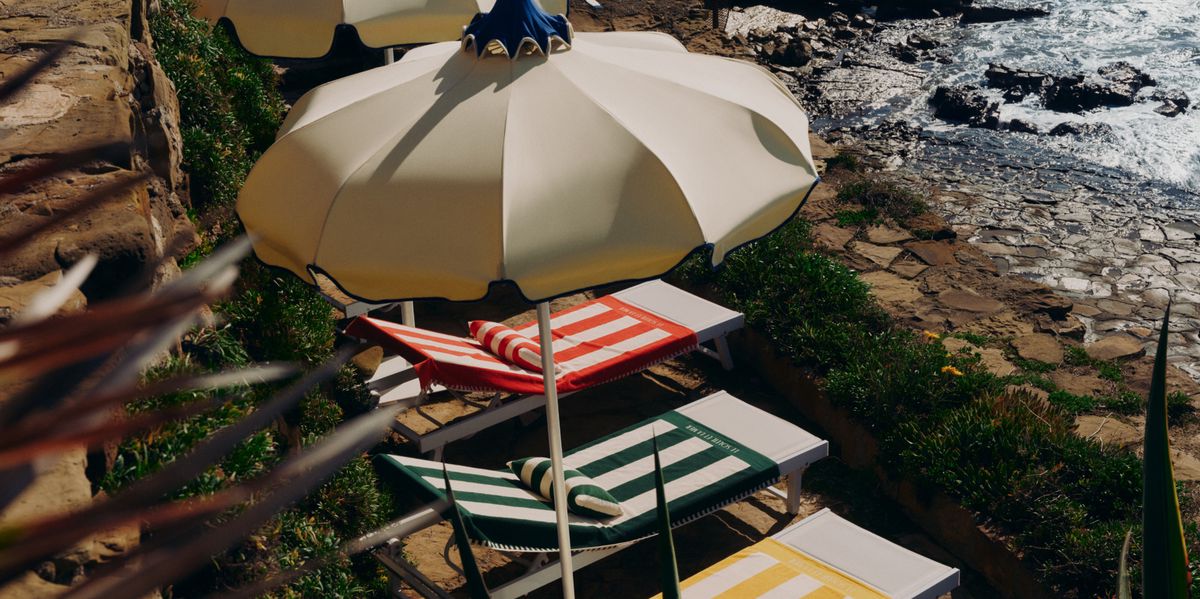
The “Slow Riviera” aesthetic has emerged as a prominent interior design trend, capturing the essence of the Mediterranean coast through a focus on natural materials, soft textures, and an unhurried approach to living. Rooted in the visual language of the French Riviera, this style prioritizes comfort and authenticity over fleeting trends, encouraging homeowners to create spaces that favor reflection and environmental sustainability. By integrating traditional craftsmanship with a minimalist, light-filled palette, the approach seeks to replicate the sensory experience of a leisurely seaside escape within the domestic sphere.
As an international journalist, I have observed how design philosophies that emphasize “slowness”—a term historically defined by a lack of speed or a deliberate, thorough process—are increasingly shaping residential architecture and decor. The movement toward slow interiors mirrors broader societal shifts in tourism and media, where the focus has moved away from superficial consumption and toward in-depth, meaningful engagement with one’s surroundings. This transition is not merely about visual preference; it represents a functional change in how living spaces are utilized to support mental well-being and long-term quality of life.
Defining the Slow Riviera Aesthetic
At its core, the Slow Riviera style is characterized by a “mode douceur,” or a gentle approach to interior design. This involves the use of warm, earth-toned materials such as terracotta, raw linen, and untreated wood, which evoke the rugged yet refined landscape of the Mediterranean coast. Unlike high-gloss contemporary designs that prioritize clinical precision, this aesthetic embraces the imperfections of natural finishes. According to foundational definitions of the term, “slow” in this context implies a process that is careful, thorough, and traditional, ensuring that the resulting environment is not only aesthetically pleasing but also sustainable and conducive to relaxation.
The philosophy rejects the “fast” nature of mass-produced furniture in favor of pieces that tell a story or reflect a specific craftsmanship. By focusing on quality over quantity, the Slow Riviera movement aligns with broader principles of sustainable living, where the longevity of an object is valued more than its immediate availability or low cost. This approach requires patience—a “slow” pace—to curate a space that feels personal and grounded rather than staged or temporary.
Why Slow Design Matters in Modern Living
The shift toward these softer, more intentional environments reflects a response to the “fast-paced” nature of modern life. In many urban centers, the environment is defined by noise and constant movement, leading to a desire for homes that act as a counterbalance. The Slow Riviera style provides a sanctuary, utilizing light and texture to “retard” the feeling of time passing, much like a quiet afternoon or a long, scenic journey. This is consistent with the general understanding that “slow” living involves deliberate actions that avoid the superficiality of modern headline culture.

For those looking to integrate these elements into their own homes, the focus should remain on three key pillars: materiality, light, and utility. By prioritizing natural light and choosing materials that age gracefully, homeowners can achieve an environment that feels less like a workspace and more like a retreat. This focus on “savoring local encounters” and soaking in natural elements is a hallmark of the broader “slow” movement, which encourages individuals to view their home as a space for mental reflection rather than just a place of residence.
Practical Application for Your Home
Implementing the Slow Riviera look does not require a complete renovation. Instead, it relies on small, thoughtful changes. Start by assessing your current environment for “sluggish” or cluttered areas that cause stress. Replacing synthetic fabrics with breathable, natural textiles like linen or cotton can instantly change the atmosphere of a room. Incorporating artisanal pottery or wood-based furniture can further ground the space in the Mediterranean tradition of quality and thorough, careful creation.
If you are considering a transition to this style, focus on the following:
- Materiality: Choose surfaces that feel organic to the touch, such as stone, wood, or unrefined clay.
- Lighting: Maximize natural light during the day and utilize warm, diffused lighting in the evening to maintain a sense of calm.
- Curation: Avoid the impulse to fill every space; leave room for silence and reflection, which are essential components of the “slow” philosophy.
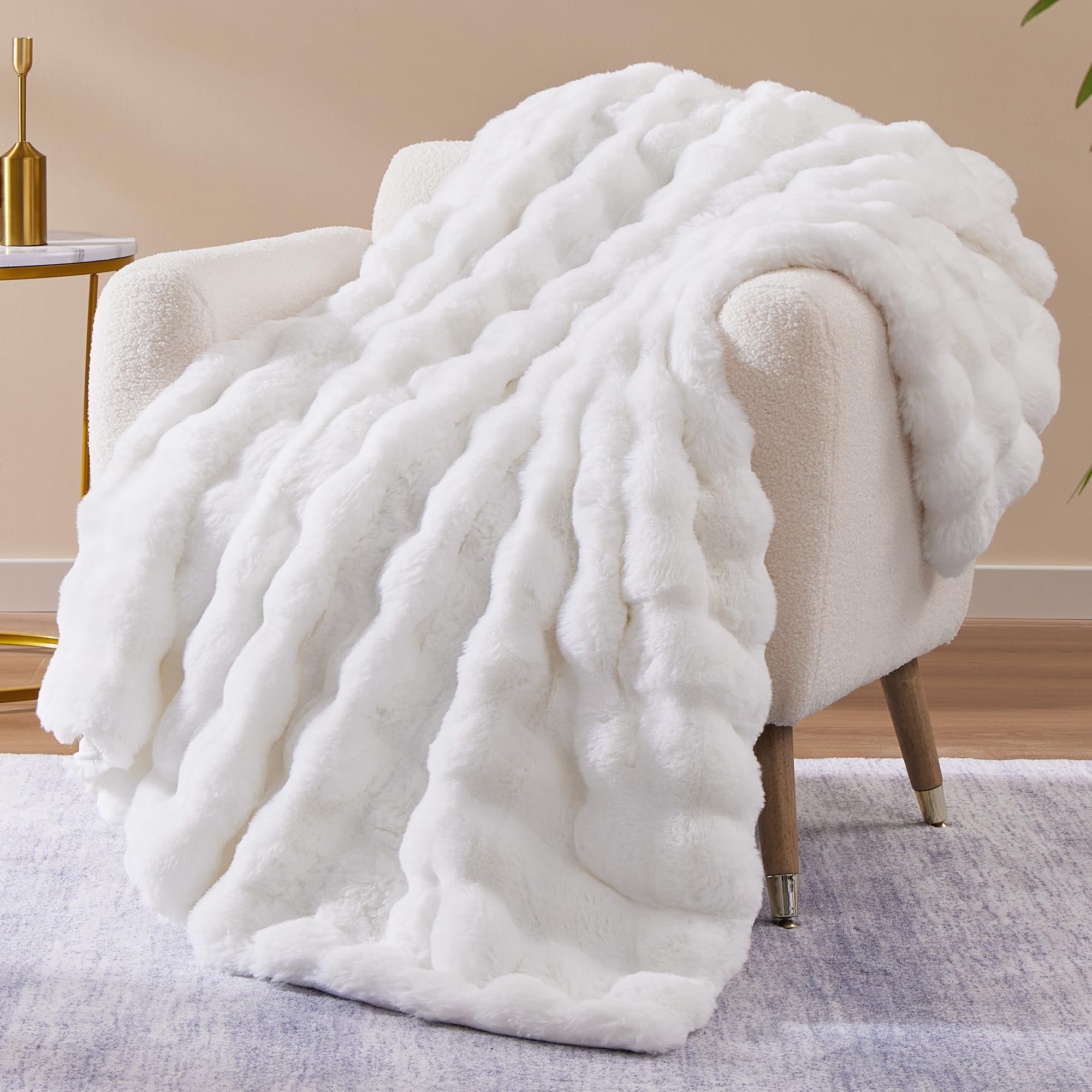
By shifting the focus from speed to quality, the Slow Riviera aesthetic offers a template for creating a home that supports a more considered pace of life. As we look toward future design seasons, it is clear that this movement toward intentional, sustainable, and gentle interiors will remain a significant influence on how we define comfort and home. I welcome your thoughts on how you integrate these principles into your own living spaces—please share your experiences in the comments below.