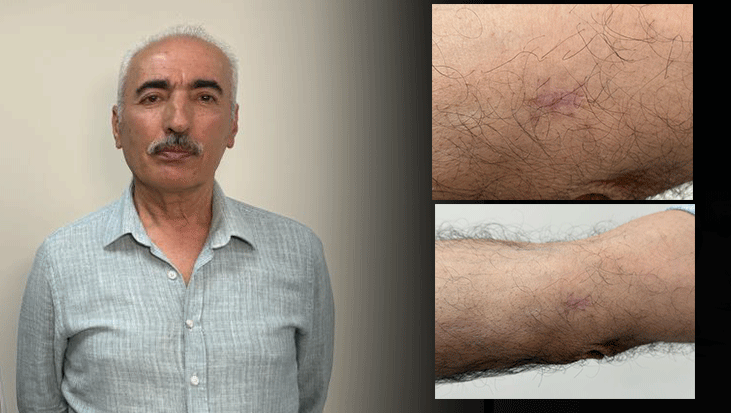
A small, persistent skin lesion that fails to heal over several months can be a significant health warning sign. While minor abrasions typically resolve within a few weeks, medical experts emphasize that skin changes—including sores, persistent bumps, or non-healing marks—require professional evaluation to rule out conditions such as skin cancer. Early diagnosis remains the most effective strategy for managing dermatological malignancies, which, when identified early, often have high success rates for treatment.
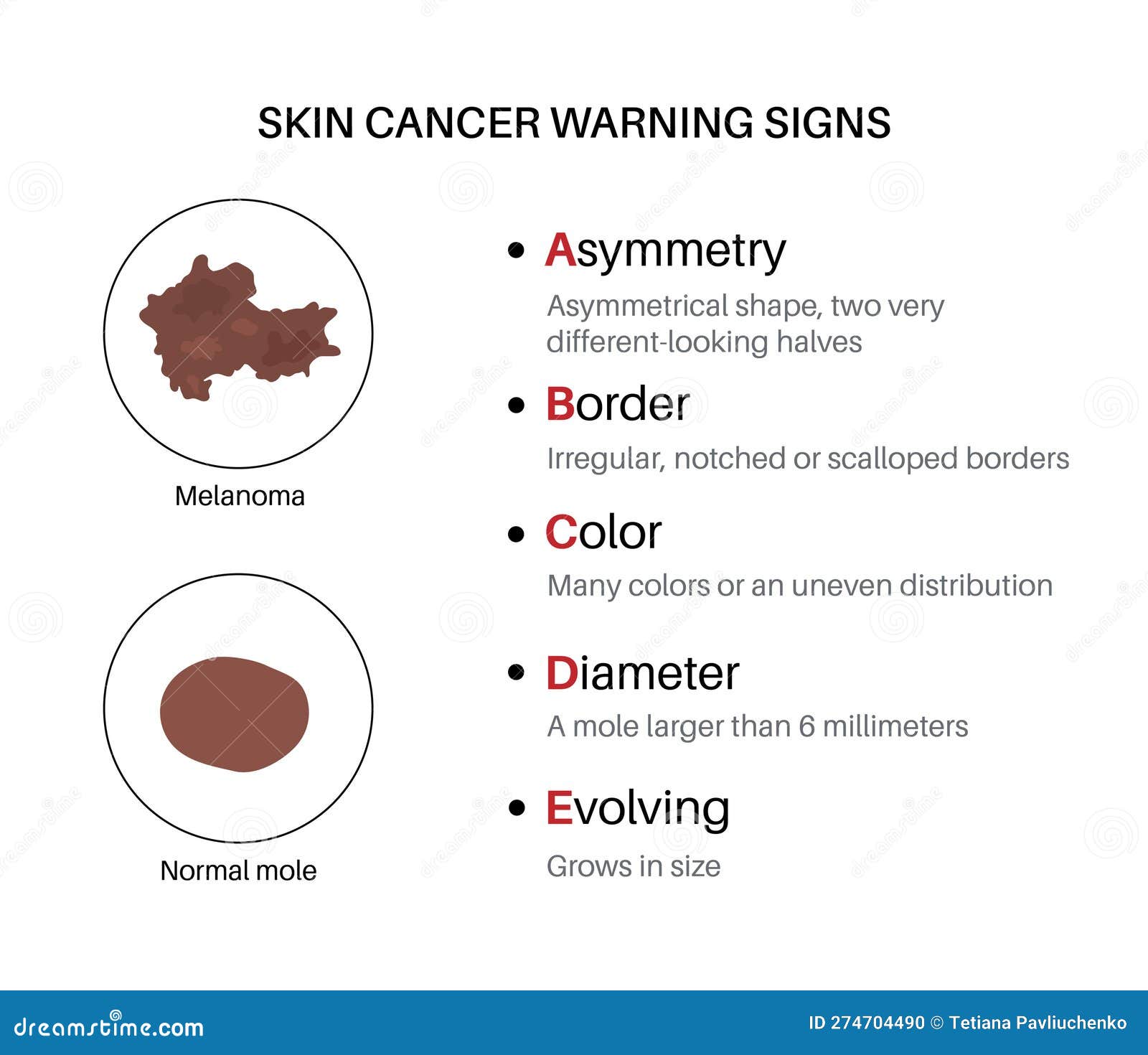
When a lesion does not follow the normal path of healing, it is essential to consult a dermatologist or a primary care physician. In clinical practice, any skin growth that changes in size, shape, or color, or one that bleeds and fails to form a lasting scab, should be considered a potential clinical indicator of concern. According to the American Academy of Dermatology, patients should perform regular skin self-exams to monitor for the “ABCDEs” of melanoma, which include asymmetry, border irregularity, color variation, diameter changes, and evolving characteristics.
Understanding Persistent Skin Lesions
Skin cancer, including basal cell carcinoma, squamous cell carcinoma, and melanoma, often presents in ways that mimic common, benign skin issues. A sore that does not heal is a classic warning sign of non-melanoma skin cancers. Because these conditions can develop slowly, they are frequently overlooked by patients who may mistake them for minor irritations or insect bites. However, medical professionals at institutions like the Mayo Clinic note that the skin’s inability to repair itself is a primary indicator that the tissue may be undergoing abnormal cellular growth.
The diagnostic process typically involves a physical examination followed by a biopsy, where a small tissue sample is removed and analyzed in a laboratory. This procedure is the gold standard for confirming whether a lesion is malignant or benign. Early detection allows for surgical excision or other localized treatments that can often remove the cancer entirely before it has the opportunity to spread to surrounding tissues or lymph nodes.
Risk Factors and Prevention
Exposure to ultraviolet (UV) radiation—from both the sun and tanning beds—is the most significant risk factor for developing most forms of skin cancer. Protecting the skin through the consistent use of broad-spectrum sunscreen, wearing protective clothing, and seeking shade during peak UV hours are widely recommended by public health authorities. The World Health Organization highlights that global rates of skin cancer are rising, largely due to lifestyle behaviors and environmental exposure, making awareness of one’s own skin health a critical preventative measure.
It is important to remember that skin cancer can affect individuals of all skin tones, though those with lighter skin, a history of sunburns, or a family history of the disease may face higher risks. Regardless of personal risk factors, any lesion that persists for more than four to eight weeks without clear signs of improvement warrants a clinical appointment. Seeking an opinion from a healthcare provider provides the necessary peace of mind and, if needed, immediate intervention.
Next Steps for Patient Health
If you have noticed a mark on your skin that has not healed, do not wait for it to disappear on its own. Schedule an appointment with a board-certified dermatologist for a clinical assessment. If you are uncertain about how to track changes on your skin, many health organizations provide digital tools and body maps to help you document the appearance of moles and lesions over time. By maintaining a record of these changes, you can provide your physician with valuable information that assists in the diagnostic process.

For ongoing health updates and information on dermatological screenings, readers are encouraged to consult official resources from national health departments or professional medical associations. Have you or someone you know experienced a skin concern that led to an unexpected diagnosis? Share your thoughts and experiences in the comments below, and consider sharing this article to help others recognize the importance of proactive skin health monitoring.
Keep reading