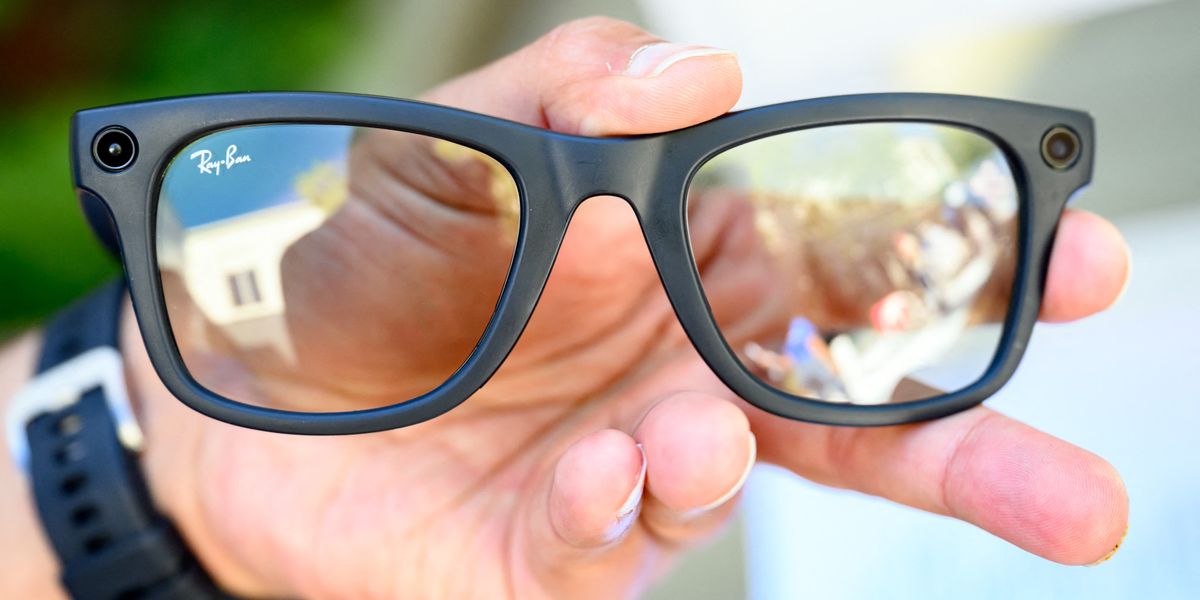
The rapid proliferation of smart glasses—wearable devices equipped with integrated cameras and microphones—is prompting a significant re-evaluation of privacy norms across Europe and beyond. From the bustling streets of San Francisco to the halls of government in Bern, the ease with which these devices can capture high-definition video and audio without alerting bystanders has sparked an urgent debate regarding surveillance, harassment and the fundamental right to personal privacy.
For many, the appeal of smart glasses lies in the promise of seamless connectivity and augmented reality experiences. However, the rise of “surreptitious recording” capabilities—where a small, often inconspicuous LED is the only indicator of an active camera—has led to documented instances of misuse. As these devices become more accessible to the general public, regulators and privacy advocates are increasingly concerned about the potential for non-consensual filming in sensitive environments, from private social gatherings to professional workspaces.
The legal framework surrounding these devices is currently struggling to keep pace with rapid innovation. In many jurisdictions, existing legislation, such as the European Union’s General Data Protection Regulation (GDPR), provides a baseline for data collection, but the enforcement of these rules against individual users of wearable technology remains complex and often reactive rather than proactive. As we look at the intersection of consumer electronics and civil liberties, the question is no longer just about what technology can do, but what it should be permitted to record.
The Privacy Paradox: When Convenience Meets Surveillance
At the heart of the controversy is the design of modern smart eyewear. Unlike traditional camcorders or smartphones, which require a deliberate physical action that is visible to others, smart glasses allow the wearer to capture footage through simple voice commands or subtle taps on the frame. This “always-on” potential creates a power imbalance, particularly in public or semi-private spaces where individuals have a reasonable expectation of not being recorded.
Privacy regulators, such as those overseeing the Federal Data Protection and Information Commissioner (FDPIC) in Switzerland, have begun emphasizing the importance of “privacy by design.” This concept requires manufacturers to integrate features—such as brighter, more visible recording indicators or software-level restrictions—that ensure bystanders are aware when they are being filmed. Without these safeguards, the risk of “voyeuristic” use cases, as reported by various European media outlets regarding illicit filming in private settings, becomes a significant societal concern.
The impact on victims of non-consensual recording is profound. Beyond the violation of personal space, the potential for digital harassment and the unauthorized distribution of footage on social media platforms presents a persistent threat. According to guidance provided by the Office of the Privacy Commissioner, users of wearable cameras have a moral and often legal obligation to respect the boundaries of others, yet the lack of standardized global protocols makes this adherence inconsistent at best.
Regulatory Challenges and the Path Forward
Governments are currently weighing how to address the “smart glasses surge” without stifling technological progress. In some regions, discussions are underway to mandate clearer notification systems or to restrict the use of recording devices in specific zones, such as changing rooms, restrooms, or medical facilities. However, enforcement remains a major hurdle. Because these devices are miniaturized and designed to look like standard eyewear, identifying a recording device in a crowd is nearly impossible for law enforcement without specialized equipment or prior knowledge.

The tech industry, for its part, maintains that smart glasses are tools for empowerment, offering hands-free access to information and accessibility features for those with visual impairments. Companies often point to their “community guidelines” and terms of service, which explicitly prohibit the use of their products for illegal surveillance. Yet, as the Electronic Frontier Foundation has noted, voluntary industry standards often fail to prevent bad actors from circumventing safety features or modifying hardware to disable recording lights.
Key Takeaways for Consumers and Bystanders
- Awareness: Be mindful of eyewear that appears bulkier than standard glasses, as this often indicates the presence of a battery, camera, or sensor array.
- Digital Rights: Familiarize yourself with local laws regarding the “reasonable expectation of privacy.” In many countries, capturing audio or video without consent in private spaces is a criminal offense.
- Proactive Privacy: If you suspect you are being recorded without consent, maintain your boundaries and, if in a public establishment, notify management or security personnel.
- Manufacturer Guidance: Review the official safety documentation provided by hardware manufacturers, which often outlines the intended use and legal responsibilities of the wearer.
What Happens Next?
The regulatory landscape is expected to evolve as more jurisdictions analyze the intersection of wearable tech and data privacy. We are likely to see increased pressure on manufacturers to adopt universal signaling standards, such as a standardized flashing light color or a persistent physical notification when a device is active. We may see an uptick in civil litigation as individuals seek to hold both users and manufacturers accountable for privacy breaches.

For now, the burden of protection remains largely with the individual. As we move into an era where our glasses can see as much as One can, the conversation around the ethics of “smart” devices will only intensify. We will continue to monitor legislative developments in the EU and North America, as well as any new Federal Trade Commission (FTC) guidance regarding the tracking and data collection practices of wearable tech companies.
Have you encountered smart glasses in public spaces, and did you feel comfortable with the interaction? Join the discussion in the comments section below to share your thoughts on where we should draw the line between innovation and intrusion.
Keep reading