
Modern smartphone displays have fundamentally shifted the standard for handheld computing, with today’s flagship devices offering significantly more usable screen surface area than the original “phablets” that defined the category over a decade ago. While early pioneers like the Samsung Galaxy Note, released in 2011, were once criticized for their massive 5.3-inch screens, current industry standards have pushed average display sizes well beyond 6.5 inches, often while maintaining a smaller overall device footprint due to reduced bezel sizes and advanced engineering.
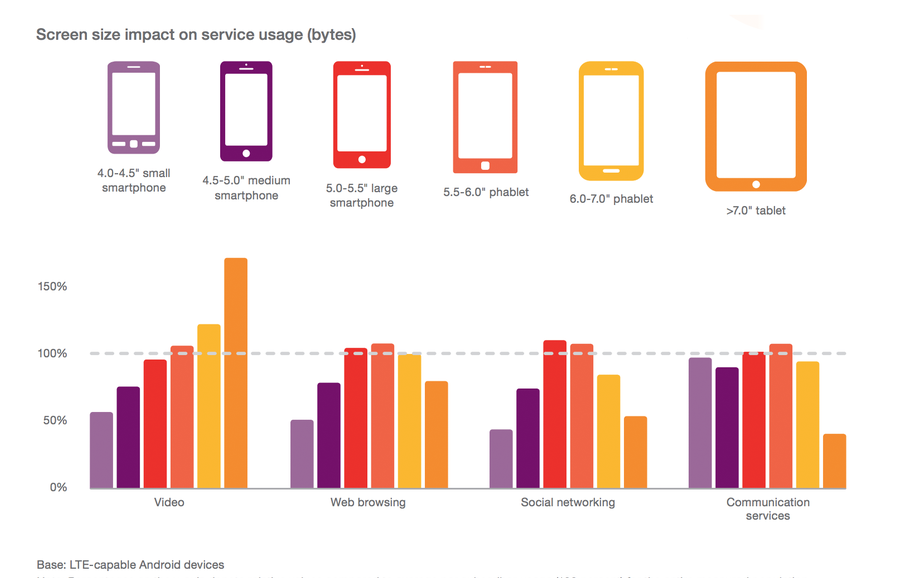
The evolution of the “phablet”—a portmanteau of phone and tablet—represents a decade-long transition where consumers shifted from prioritizing portability to demanding expansive, high-resolution screens for media consumption. According to data from GSMArena, which tracks mobile device specifications, the original Samsung Galaxy Note featured a 5.3-inch display with a resolution of 800 x 1280 pixels. By contrast, contemporary flagships like the Samsung Galaxy S24 Ultra now offer a 6.8-inch display, a shift that reflects both changes in manufacturing technology and a broader market trend toward immersive mobile interfaces.
The Shift in Screen-to-Body Ratios
The most significant technical development driving this change is the improvement in the screen-to-body ratio. In the early 2010s, smartphones were constrained by large physical home buttons, prominent earpieces, and thick plastic frames. As reported by The Verge, the industry-wide transition to “bezel-less” designs—facilitated by moving fingerprint sensors under the display and utilizing OLED panel flexibility—has allowed manufacturers to increase screen diagonal measurements without necessarily ballooning the physical dimensions of the phone chassis.

This engineering shift means that a modern device with a 6.7-inch display is often easier to hold and operate with one hand than a 5.5-inch device from 2013. The removal of the “chin” and “forehead” sections of the phone has effectively reclaimed space that was previously dead, allowing for a more efficient use of the device’s surface area. Current market analysis from Counterpoint Research indicates that the average screen size for premium smartphones has stabilized between 6.5 and 6.9 inches, a range that manufacturers now consider the “sweet spot” for productivity and video playback.
Comparing Early Phablets to Modern Flagships
To understand the scale of this change, it is helpful to look at the physical dimensions and screen metrics of iconic devices from different eras. While the early phablet was considered a niche, oversized device, the modern smartphone has normalized those dimensions as the baseline for all users.
| Device | Release Year | Display Size | Form Factor |
|---|---|---|---|
| Samsung Galaxy Note | 2011 | 5.3 inches | Large/Niche |
| iPhone 6 Plus | 2014 | 5.5 inches | Large |
| iPhone 15 Pro Max | 2023 | 6.7 inches | Standard/Flagship |
| Samsung Galaxy S24 Ultra | 2024 | 6.8 inches | Standard/Flagship |
The transition documented in the table above highlights that we have effectively entered an era where the “phablet” as a distinct category has disappeared. It has not disappeared because the phones got smaller; rather, the standard smartphone grew to encompass the size that once defined the phablet. This convergence is confirmed by official device specifications provided by Apple and Samsung, which show that the “Plus” or “Ultra” branding now refers to camera capabilities and internal hardware rather than a size that is considered “abnormally large” by the general public.
The Impact on User Experience
The increase in screen real estate has changed how software is designed. Early mobile operating systems were built for smaller, finger-based interactions on limited surfaces. Today, software developers at companies like Google and Apple design interfaces that take advantage of the extra vertical space, utilizing techniques like split-screen multitasking and high-refresh-rate panels that require more internal power and battery capacity. As noted by Android Authority, the increase in display area has required a corresponding increase in battery density to ensure that these larger, brighter screens do not result in shorter device lifespans.
While the physical screen size has increased, the weight and ergonomics of modern devices remain a point of contention for many users. The use of premium materials like titanium and glass, combined with larger battery cells, means that while the screen-to-body ratio has improved, the overall mass of the devices has remained significant. Future updates in mobile design are expected to focus on foldable display technology, which aims to provide even more screen surface area without increasing the pocketability of the device, according to industry reports from DisplayMate.
What Happens Next in Mobile Display Technology
The next frontier for smartphone displays is not necessarily larger dimensions, but rather the refinement of display technology itself. Manufacturers are currently moving toward under-display camera technology and higher peak brightness levels to improve outdoor visibility. Official product announcements from major manufacturers are expected throughout the remainder of 2024, as the industry looks to integrate more efficient LTPO (Low-Temperature Polycrystalline Oxide) backplane technology, which allows for variable refresh rates to save battery life.

As the market continues to evolve, the distinction between a phone and a tablet will likely continue to blur. Readers interested in the latest hardware specifications can monitor official support pages from major manufacturers or consult industry-standard databases for updated comparison metrics as new models hit the market. Please share your thoughts on whether you prefer the current large-screen standard or if you miss the more compact devices of the past in the comments section below.
Keep reading