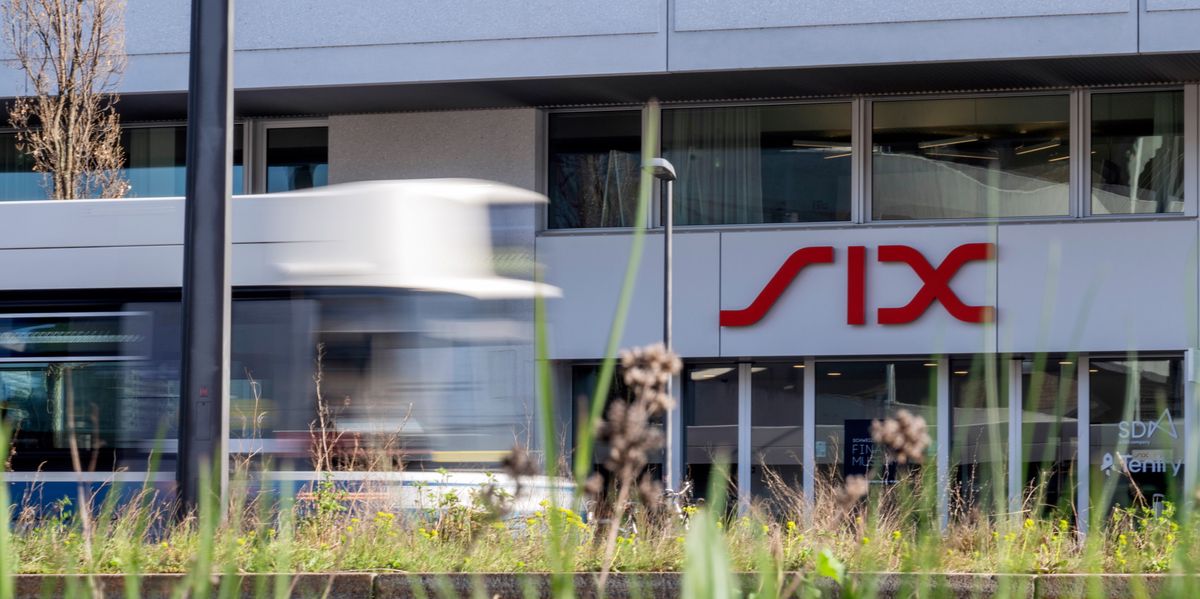
The Swiss Market Index (SMI), the blue-chip benchmark of the SIX Swiss Exchange, is undergoing a structural shift that further cements the dominance of the healthcare sector within the Swiss equity market. Effective September 23, 2024, the index composition will change as Galderma Group AG and Sandoz Group AG join the 20-member index, replacing Swisscom AG and Kuehne + Nagel International AG, according to the official announcement from the SIX Swiss Exchange.
Index Recomposition and Sector Concentration
The inclusion of Galderma and Sandoz reflects a broader trend of large-scale healthcare companies gaining prominence on the Swiss exchange. With these additions, the weight of the healthcare industry within the SMI increases significantly. This shift is notable because it reduces the representation of the telecommunications and logistics sectors, represented by the departing Swisscom and Kuehne + Nagel, respectively. The adjustments are part of the exchange’s regular review process, which ensures that index constituents meet specific liquidity and market capitalization requirements defined by the SIX Swiss Exchange index methodology.
Galderma, a pure-play dermatology company, and Sandoz, the generics and biosimilars division spun off from Novartis in 2023, have seen their market values rise sufficiently to qualify for the index. The criteria for inclusion are strictly quantitative, focusing on free-float market capitalization and trading volume. According to the official SIX press release issued on August 14, 2024, the changes will take effect at the start of trading on September 23.
What the SMI Shift Means for Investors
The increased concentration in healthcare—a sector already anchored by giants like Roche and Novartis—creates a distinct risk-reward profile for the index. Investors tracking the SMI will find their exposure to defensive, healthcare-oriented assets heightened. Historically, the Swiss market has been noted for its defensive characteristics, and this latest rebalancing reinforces that reputation.
For Swisscom and Kuehne + Nagel, the transition to the SMIM (SMI Mid) index—or other indices—does not change their fundamental business operations, but it does alter their visibility among passive investment funds that specifically track the SMI. Fund managers who utilize the SMI as a benchmark will be required to adjust their holdings to align with the new index composition, a process often referred to as “rebalancing” that can influence short-term share price volatility for the affected companies.
Market Dynamics and Regulatory Context
The SIX Swiss Exchange performs these index reviews semiannually to maintain the index’s relevance as a barometer of the Swiss economy. By replacing a logistics giant like Kuehne + Nagel and a utility-like incumbent such as Swisscom with two healthcare firms, the exchange is effectively signaling the current market capitalization hierarchy in Zurich. As noted by analysts, the index methodology remains the primary driver of these changes, prioritizing liquidity and size over sector diversification.
The transition underscores the ongoing evolution of the Swiss corporate landscape, where spin-offs—such as the Sandoz separation from Novartis—have created new, independent entities that eventually grow large enough to challenge established blue-chip firms for a spot in the primary index. This pattern highlights the efficiency of the Swiss capital markets in recycling corporate value into new, publicly traded entities.
Next Steps for Market Participants
Market participants should note that the index changes will be implemented following the close of trading on September 20, 2024, with the new composition active when the markets open on September 23, 2024. Investors and institutional funds are advised to review their portfolio allocations and index-tracking strategies to ensure alignment with the updated SMI constituent list. Further adjustments to the index methodology or constituent list are not expected until the next scheduled review cycle in early 2025.

We welcome your insights on how this shift in the Swiss Market Index might impact your investment strategy. Please share your thoughts in the comments section below.