
The Unexpected Link Between Smoking, Oral Bacteria, and Ulcerative Colitis: A New Path to Treatment
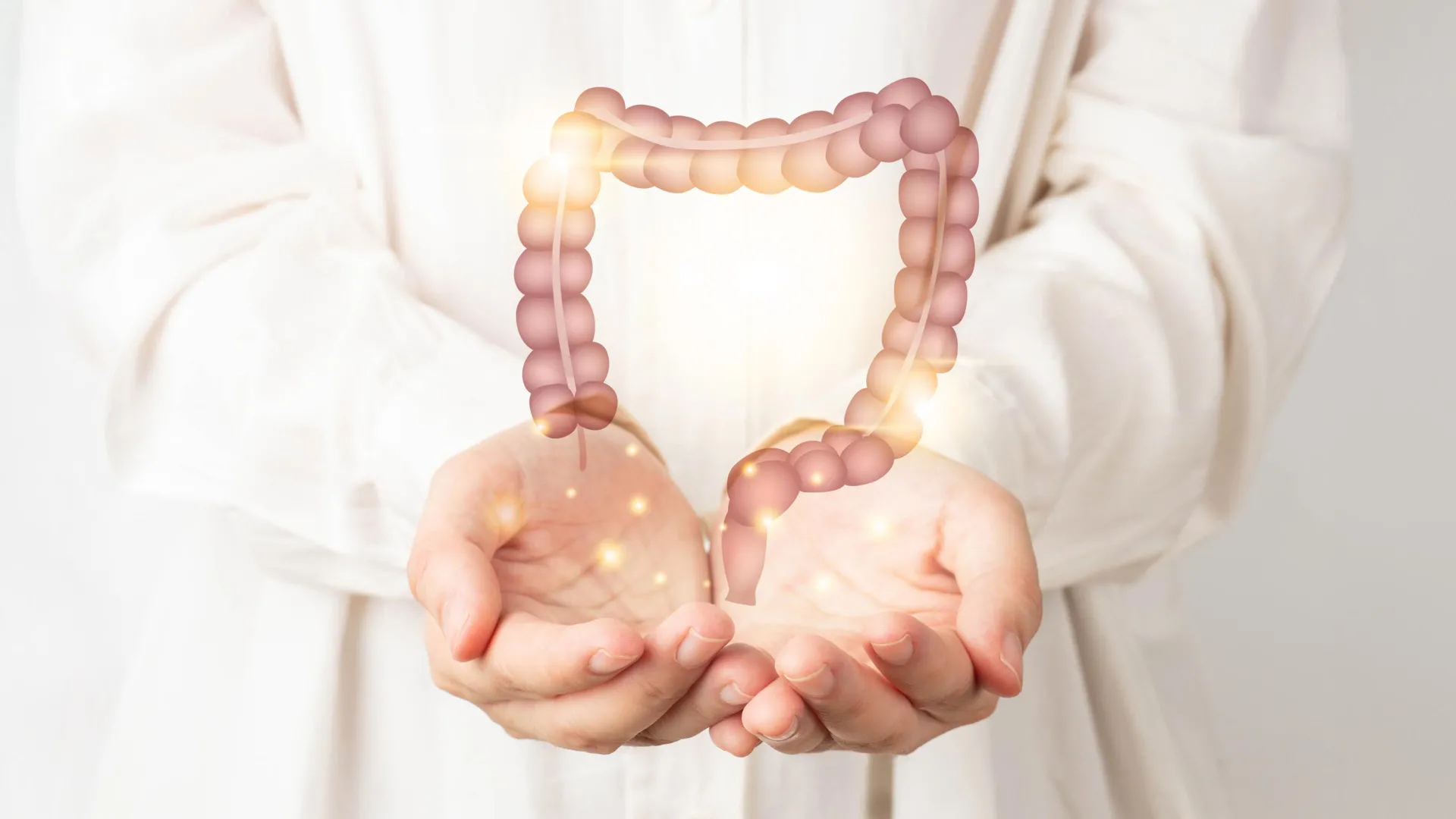
For decades, a perplexing paradox has baffled gastroenterologists: smoking, a known risk factor for Crohn’s disease, appears to protect against ulcerative colitis. this counterintuitive observation has fueled extensive research, and now, a groundbreaking study led by researchers at the RIKEN Center for Integrative Medical Sciences (IMS) in Japan, published in Gut, has illuminated a surprising mechanism behind this phenomenon. This finding opens the door to potential therapies that mimic the protective effects of smoking without the devastating health consequences.
understanding the Complexities of Inflammatory Bowel Disease
Inflammatory Bowel Disease (IBD) encompasses two primary conditions: Crohn’s disease and ulcerative colitis. Both are chronic inflammatory disorders of the gastrointestinal tract, characterized by debilitating symptoms like abdominal pain, diarrhea, fatigue, and weight loss. Though, the underlying causes and the location of inflammation differ significantly. While both involve a dysregulated immune response in the gut, the specific immune pathways and bacterial imbalances vary between the two diseases. This distinction is crucial, as treatments effective for one condition can sometimes exacerbate the other.
The Smoking Paradox Explained: A Shift in Gut Microbiome
The RIKEN IMS team, spearheaded by Hiroshi Ohno, hypothesized that the divergent effects of smoking on Crohn’s and ulcerative colitis stemmed from alterations in the gut microbiome – the complex community of bacteria residing in the digestive tract. Their investigation, combining meticulous analysis of human clinical data with controlled experiments in mice, revealed a compelling connection.
researchers discovered that individuals with ulcerative colitis who smoked exhibited a unique microbial profile: an increased presence of bacteria typically found in the mouth, particularly species of streptococcus, colonizing the gut’s colonic mucosa (the inner lining of the large intestine). This phenomenon was notably absent in former smokers, suggesting that smoking actively facilitates this microbial shift.
but how does smoking allow oral bacteria to take hold in the gut? The answer lies in changes to gut metabolites – the byproducts of food digestion and bacterial activity. The study identified elevated levels of specific metabolites, including hydroquinone, in the guts of smoking ulcerative colitis patients. Further experimentation in mice demonstrated that hydroquinone directly promotes the growth of Streptococcus within the gut mucosa.
The Role of Streptococcus mitis and Immune modulation
To pinpoint the specific bacterial species responsible for the protective effect, the researchers isolated ten strains of Streptococcus from the saliva of smokers. When administered to mouse models of both Crohn’s disease and ulcerative colitis,one strain – Streptococcus mitis – yielded remarkable results.
In mice with ulcerative colitis, S. mitis dramatically reduced inflammation, mirroring the effect of smoking itself. conversely, in mice with Crohn’s disease, S. mitis worsened inflammation. This seemingly contradictory outcome hinges on the distinct immune responses triggered by the bacteria.
The team found that S. mitis stimulates the activation of helper Th1 cells, a key component of the gut’s immune system. In ulcerative colitis, where the initial inflammation is driven by a different type of immune response (Th2), the Th1 activation induced by S. mitis effectively counteracts the inflammatory cascade, leading to symptom relief. However, in Crohn’s disease, where Th1 cells are already central to the inflammatory process, S. mitis exacerbates the condition.
A Future beyond Smoking: targeted Therapies for Ulcerative Colitis
The implications of this research are profound. Recognizing that smoking’s protective effect is mediated by a specific microbial shift and subsequent immune modulation, researchers can now explore safer, more targeted therapies.
“Our results indicate the relocation of bacteria from the mouth to the gut, particularly those of the Streptococcus genus, and the subsequent immune response in the gut, is the mechanism through which smoking helps protect against the disease,” explains Dr. Ohno. “Logically, direct treatment with this kind of bacteria, or indirect treatment with hydroquinone, is thus likely to mimic the beneficial effects of smoking but avoid all the negative effects.”
This opens up exciting possibilities for:
* Probiotic therapies: Developing probiotic formulations containing Streptococcus mitis specifically tailored for ulcerative colitis patients.
* Prebiotic Strategies: Utilizing prebiotics, such as hydroquinone, to selectively promote the growth of beneficial Streptococcus species in the gut.
* Personalized Medicine: Identifying individuals with ulcerative colitis who may benefit moast from these targeted therapies based on their gut microbiome profiles.
While further research is necessary to translate these findings into clinical practice,this study represents a notable leap forward in our understanding of ulcerative colitis and offers



![Boost Bone Density: Invest in Your Future Health [Podcast]](https://i0.wp.com/kevinmd.com/wp-content/uploads/Design-1-scaled.jpg?resize=330%2C220&ssl=1 "Boost Bone Density: Invest in Your Future Health [Podcast]")


![Boost Bone Density: Invest in Your Future Health [Podcast]](https://i0.wp.com/kevinmd.com/wp-content/uploads/Design-1-scaled.jpg?resize=150%2C100&ssl=1 "Boost Bone Density: Invest in Your Future Health [Podcast]")


