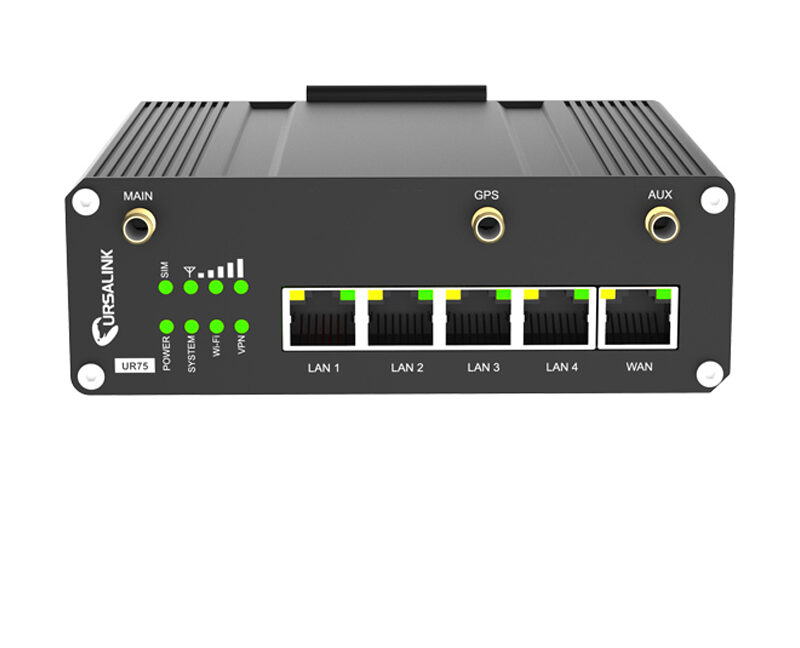
The Hidden Infrastructure Powering Billions of Smishing Attacks: Compromised Industrial Routers
Are you receiving a suspicious text message asking you too click a link? You’re not alone. Smishing - phishing via SMS – is skyrocketing,and a recent inquiry reveals a surprising source powering these massive campaigns: compromised industrial routers quietly operating within seemingly secure environments. But how are these routers being exploited, and what does this meen for your security?
The Scale of the Problem: Billions of Messages, Hidden Origins
The sheer volume of smishing attacks is staggering. Billions of messages are sent monthly, leaving individuals and organizations vulnerable to fraud, data theft, and malware. For years, the question has lingered: how do scammers achieve this scale without immediate detection and shutdown? Security researchers at Sekoia have uncovered a critical piece of the puzzle – readily available, easily compromised industrial routers.
These aren’t refined,custom-built servers. Thay’re frequently enough off-the-shelf devices found in factories, warehouses, and other industrial settings, tucked away in places like janitorial closets. Their accessibility and overlooked status make them ideal launching pads for large-scale smishing operations.
Milesight Routers: A Central Point of Compromise
The investigation specifically focused on milesight routers, identifying hundreds of unsecured devices actively participating in smishing campaigns. what makes these routers so vulnerable? A key factor appears to be the widespread use of outdated firmware.A notable majority – 572 out of those identified – were running firmware versions 32 or earlier, leaving them exposed to known vulnerabilities.
CVE-2023-43261: An Open Door for Attackers
One potential entry point for attackers is CVE-2023-43261, a vulnerability discovered in Milesight routers in 2023.Researcher Bipin jitiya detailed the flaw in a comprehensive post on Medium, explaining how a misconfiguration allowed public access to sensitive files via the router’s web interface. Crucially, these files contained encrypted passwords for administrative accounts, along with the encryption key and initialization vector (IV) needed to decrypt them. This effectively handed attackers the keys to full administrative control.
However, the investigation revealed complexities. While CVE-2023-43261 is a likely factor, it doesn’t fully explain all observed compromises. Authentication cookies found on some hacked routers couldn’t be decrypted using the methods described in Jitiya’s research, and some compromised routers were running firmware versions not susceptible to the vulnerability. This suggests other,potentially zero-day exploits,are also in play.
Sophisticated Tactics to Evade detection
The attackers aren’t simply relying on compromised hardware.They’re employing sophisticated tactics to hinder analysis and maximize the effectiveness of their campaigns:
* Mobile-Specific Delivery: The phishing websites used in these attacks run JavaScript that only delivers malicious content when accessed from a mobile device - the primary target of smishing.
* Anti-Debugging Measures: JavaScript is also used to disable right-click functionality and browser debugging tools,making it harder for security researchers to analyze the malicious code.
* Data logging via Telegram: Visitor interactions with the phishing sites are logged through a Telegram bot known as GroozaBot,operated by an actor nicknamed “Gro_oza” who communicates in both Arabic and French. This allows the attackers to track campaign performance and refine their tactics.
Why This Matters: The Implications for Security
This investigation highlights a critical shift in the threat landscape. Smishing campaigns are no longer solely reliant on large-scale botnets or compromised cloud infrastructure. Attackers are leveraging the often-overlooked security vulnerabilities within industrial environments to build a resilient and scalable platform for their malicious activities.
The strategic utility of this infrastructure is significant. The accessibility and low cost of these devices make them an attractive option for attackers, and it’s highly probable that similar devices are already being exploited in ongoing and future smishing campaigns.
Evergreen Insights: Protecting Yourself in a Smishing World
The core principles of phishing defense remain constant, nonetheless of the delivery method. here’s what you need to remember:
* Be Skeptical: Never click on links or download attachments from unknown senders.
* Verify requests: If a message asks you to take action (e.g., update account facts, verify a purchase), contact the organization directly through a known, trusted channel.
* Enable Multi-Factor Authentication (MFA): MFA adds an extra layer of security, even if your password is compromised
Keep reading