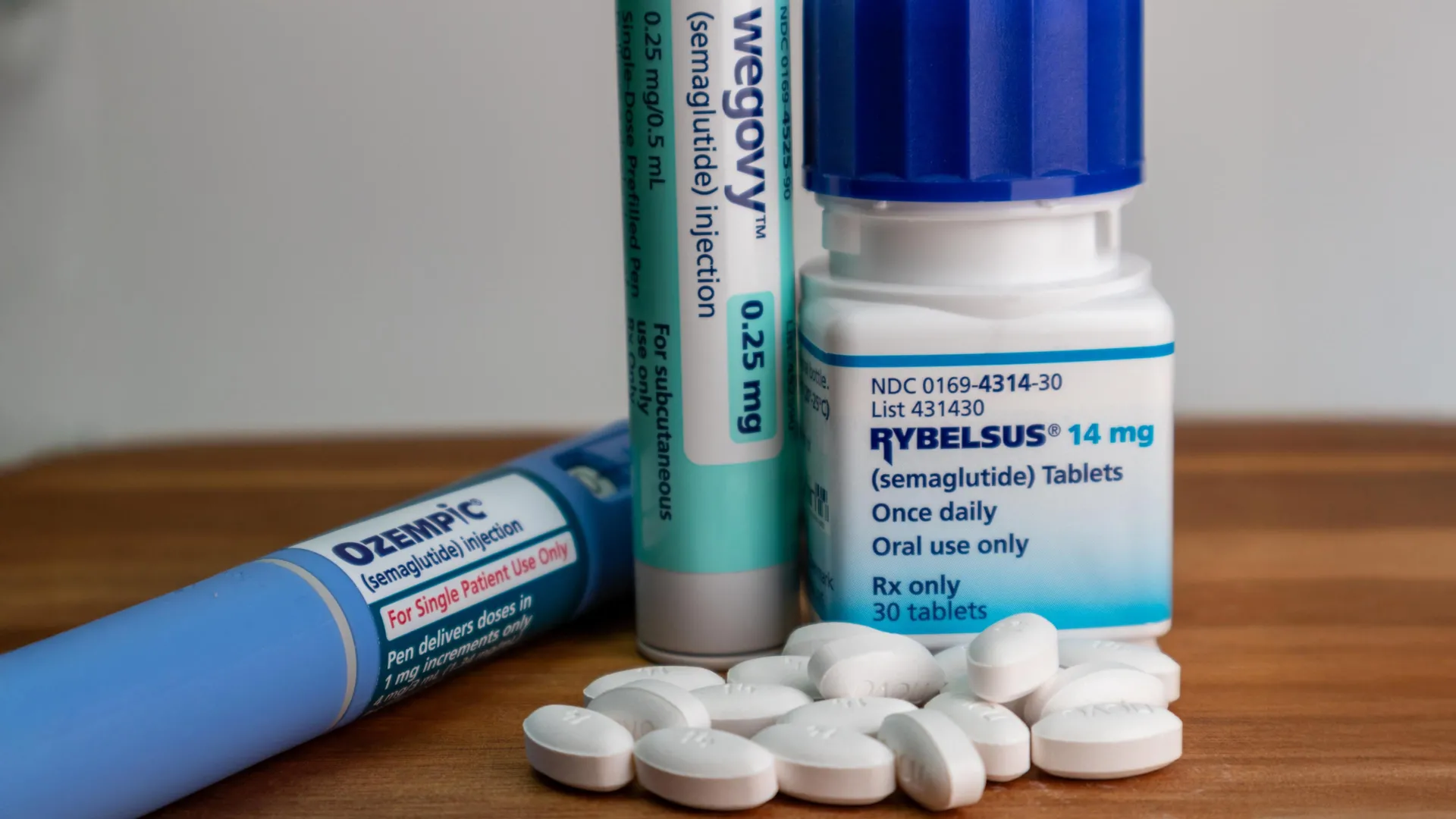
The soaring popularity of weight-loss medications like Ozempic and Wegovy has brought a new focus to the ingredients that create these drugs effective, and increasingly, to potential unintended consequences. While semaglutide is the active pharmaceutical ingredient driving weight loss, the oral formulations rely on an absorption enhancer called salcaprozate sodium (SNAC) to function. Now, emerging research suggests that SNAC, crucial for delivering the drug in pill form, may have broader biological effects, prompting scientists to call for further investigation into its long-term impact on gut health and beyond.
Obesity rates continue to climb globally, with approximately 890 million adults and 160 million children living with the condition, representing roughly one in eight people worldwide. According to the World Obesity Federation, the United States has the highest obesity rate among OECD countries, affecting 43% of individuals aged 15 and older, while Australia ranks sixth at 31%, exceeding the OECD average of 25%. The demand for effective treatments is undeniable, and the convenience of oral medications is expected to significantly increase access to these therapies.
A recent study conducted by researchers at the University of Adelaide has shed light on the potential effects of SNAC. Published in Gut Microbiota Perturbation and Systemic Inflammation are Associated with Semaglutide and SNAC Treatment in Rats, the research, appearing in February 2026, examined the impact of SNAC, both alone and in combination with semaglutide, on the gut microbiota and metabolic function of healthy rats over a 21-day period. The findings raise questions about whether the benefits of oral semaglutide might reach with previously unconsidered trade-offs.
SNAC’s Role in Oral Semaglutide Delivery
Semaglutide, a glucagon-like peptide-1 (GLP-1) receptor agonist, is highly effective in managing type 2 diabetes and promoting weight loss. When administered via injection, semaglutide enters the bloodstream directly, bypassing the digestive system. However, oral semaglutide faces a significant hurdle: the harsh environment of the stomach, where enzymes would break down the drug before it can be absorbed. Here’s where SNAC comes into play. Salcaprozate sodium acts as an absorption enhancer, protecting semaglutide from enzymatic degradation and facilitating its absorption into the bloodstream. Without SNAC, oral semaglutide would be ineffective.
The United States Food and Drug Administration (FDA) approved the Wegovy tablet, an oral formulation of semaglutide, in late 2023. The FDA’s approval marked a significant step in expanding access to this medication, as tablets are generally more convenient and potentially less expensive than injections. Long-term daily exposure to SNAC is anticipated to increase substantially as more individuals opt for the oral route.
Impact on Gut Microbiota and Metabolic Function in Animal Studies
The Adelaide University study revealed several notable changes in rats treated with SNAC. Researchers found that SNAC significantly altered the composition of the gut microbiota, specifically leading to a depletion of primary fermenters, including Muribaculaceae (-62%) and Bacteroidaceae (-77%) compared to the control group. These shifts in microbial communities correlated with reduced predicted saccharolytic enzyme abundance and lower fecal butyrate concentrations (-77% SNAC, -75% SEM-SNAC). Butyrate, a short-chain fatty acid (SCFA), is crucial for gut health, providing energy for colon cells and helping to regulate inflammation.
the study observed elevated levels of tumor necrosis factor-α (TNF-α, 70%) and suppressed brain-derived neurotrophic factor (BDNF, 85%) in the plasma of SNAC-treated animals. TNF-α is a pro-inflammatory cytokine, while BDNF plays a vital role in brain health and cognitive function. These changes in circulating markers suggest that SNAC exposure may contribute to systemic inflammation and potentially impact neurological health. Animals treated with SNAC also exhibited increased liver weight and reduced caecum mass, further indicating alterations in metabolic function and gut health.
Key Findings from the Adelaide University Study
- Significant alterations in gut microbiota composition, with depletion of beneficial bacteria.
- Reduced levels of short-chain fatty acids, impacting gut lining health and inflammation control.
- Increased inflammatory markers in the blood, suggesting systemic inflammation.
- Increased liver weight, potentially indicative of low-grade inflammation.
- Reduced caecum size, impacting fiber breakdown and protective compound production.
- Lower levels of brain-derived neurotrophic factor, linked to cognitive impairment.
The Need for Further Research
While the Adelaide University study provides valuable insights, it’s crucial to remember that the findings are based on animal research and cannot be directly extrapolated to humans. As Dr. Paul Joyce, a Senior Research Fellow involved in the study, emphasized, “Importantly, our findings do not prove that SNAC causes harm in humans. However, they do show that the ingredient enabling these tablets to work may have adverse biological effects beyond drug absorption.”
Lead author Amin Ariaee echoed this sentiment, stating that the rapid expansion of oral obesity treatments utilizing SNAC underscores the importance of fully understanding the long-term effects of all ingredients in these medications. “Obesity is a complex, chronic disease with serious health consequences. These medicines are highly effective and are helping many people,” Ariaee explained. “But as oral versions become more widely used, we need to understand what repeated, long-term exposure to all ingredients in the pill means for the body – not just the active drug.”
The researchers advocate for further investigation to determine whether similar effects occur in humans and to assess the potential long-term consequences of chronic SNAC exposure. This includes studies examining the impact of SNAC on human gut microbiota composition, metabolic function, and inflammatory markers. Understanding these effects is critical for optimizing the safety and efficacy of oral semaglutide and other medications that rely on SNAC for absorption.
The study highlights a growing awareness of the intricate relationship between the gut microbiota, systemic inflammation, and overall health. The gut microbiome, a complex community of microorganisms residing in the digestive tract, plays a crucial role in various physiological processes, including nutrient absorption, immune function, and brain health. Disruptions to the gut microbiota, known as dysbiosis, have been linked to a wide range of health conditions, including obesity, type 2 diabetes, inflammatory bowel disease, and even neurological disorders.
What are Short-Chain Fatty Acids (SCFAs)?
Short-chain fatty acids (SCFAs) are metabolic byproducts produced by the fermentation of dietary fiber in the gut. These compounds, including butyrate, acetate, and propionate, provide energy for colon cells, strengthen the gut barrier, regulate inflammation, and influence various metabolic processes. A diet rich in fiber promotes the production of SCFAs, contributing to a healthy gut microbiome and overall well-being.
As the use of oral semaglutide and other medications containing SNAC continues to rise, a comprehensive understanding of its potential effects on the gut microbiome and systemic health is paramount. Further research is needed to determine whether these effects are transient or long-lasting, and whether they can be mitigated through dietary interventions or other strategies. The findings from the Adelaide University study serve as a crucial reminder that even seemingly inert ingredients in medications can have complex and far-reaching biological effects.
The next step in this research will likely involve human clinical trials to assess the impact of SNAC on gut microbiota composition and metabolic function. Researchers will also need to investigate the potential for personalized interventions, such as dietary modifications or probiotic supplementation, to mitigate any adverse effects of SNAC exposure. Ongoing monitoring and evaluation will be essential to ensure the safe and effective use of these increasingly popular weight-loss medications.
Do you have thoughts on the potential impact of SNAC on gut health? Share your comments below, and let’s continue the conversation. Please also share this article with anyone who may be considering or currently using oral semaglutide or other medications containing SNAC.
Keep reading