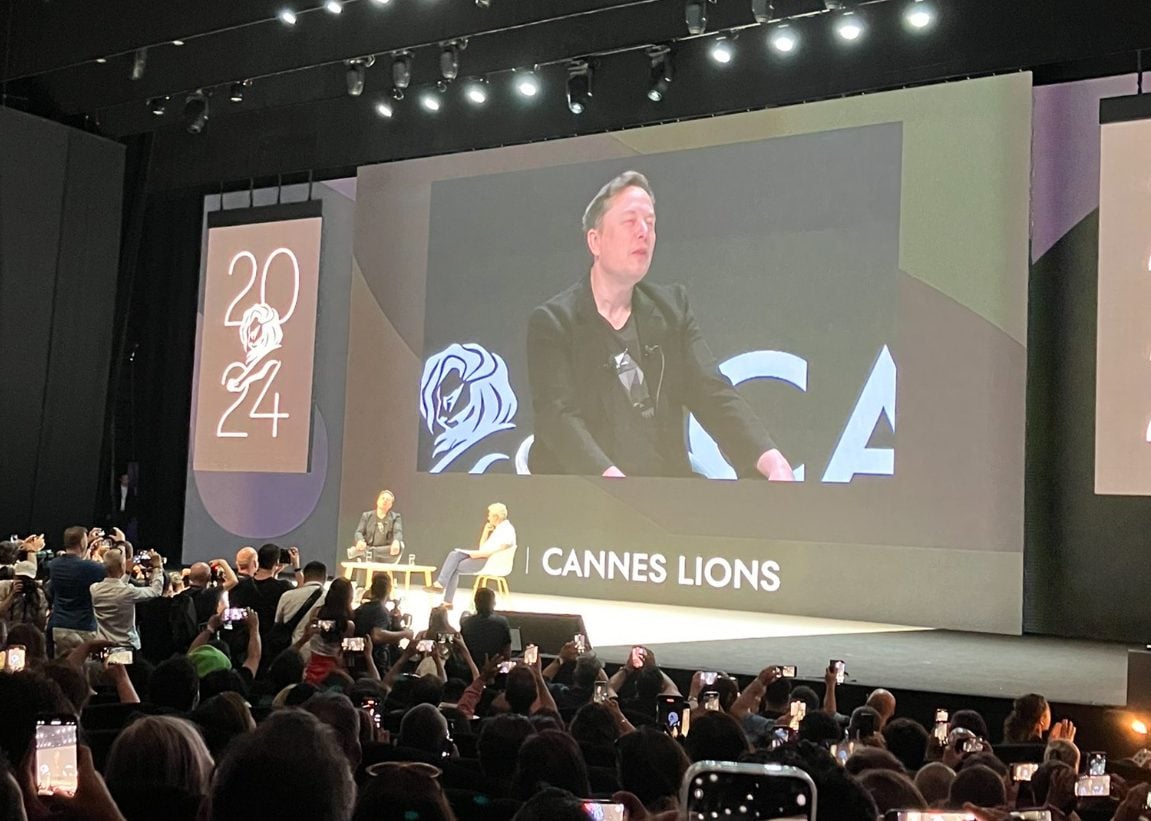
Brands are accelerating their shift toward AI-powered engagement strategies at an unprecedented pace, with 78% of marketers now prioritizing AI tools over traditional advertising formats, according to data presented at Cannes Lions 2024 by Snapchat and market research firm Mindscope. The findings underscore a fundamental realignment in how companies connect with audiences, moving beyond static content to dynamic, personalized interactions driven by machine learning. This transformation isn’t just about adopting new tools—it’s about rethinking the entire framework of consumer relationships in an era where attention spans are fragmented and algorithms dictate reach.
While the conversation around AI in marketing has dominated industry discussions for years, the 2024 Cannes Lions data reveals the speed of adoption has outpaced even optimistic projections. “What we’re seeing is a perfect storm of technological capability meeting consumer demand for relevance,” said Evan Spiegel, CEO of Snap Inc., during a keynote at the festival. “Brands that treat AI as an afterthought will fall behind those treating it as the foundation of their engagement strategy.” The shift extends beyond social media platforms to email marketing, customer service automation, and even physical retail experiences—where AI now powers everything from personalized product recommendations to in-store navigation.
The data comes as part of Snapchat’s annual Cannes Lions presentation, where the company has historically highlighted emerging trends in digital engagement. This year’s focus centered on what Mindscope calls the “AI Engagement Index,” a metric tracking how brands leverage machine learning to create two-way conversations rather than one-way broadcasts. The index showed that brands using AI-driven engagement saw a 42% increase in consumer retention rates compared to those relying on traditional campaign structures.
Why this matters: The death of the ‘broadcast’ model
The traditional approach to brand engagement—where companies push messages to mass audiences—is increasingly obsolete, according to a new report from McKinsey & Company released this month. The firm found that 63% of consumers now expect brands to anticipate their needs before they articulate them, a shift enabled by AI’s ability to process vast datasets in real time. “The brands that will thrive are those that move from ‘telling’ to ‘understanding,'” said McKinsey partner Sarah Son, citing examples like Sephora’s AI-powered virtual try-on tools and Nike’s personalized sneaker customization engines.
This isn’t just a theoretical shift—it’s being felt in real-time metrics. A separate analysis by Hootsuite found that posts using AI-generated captions or dynamic content saw engagement rates 2.3 times higher than static posts across platforms. The catch? Brands must balance personalization with privacy concerns, as 58% of consumers surveyed by Pew Research Center expressed discomfort with companies using AI to predict their behavior without explicit consent.
How AI Is Reshaping Brand Engagement: The Data Behind the Shift
The Cannes Lions data highlights three key areas where AI is transforming brand-consumer interactions:
- Real-time personalization: 89% of brands now use AI to tailor content based on user location, past interactions, and even biometric signals (like heart rate data from wearables). For example, Starbucks uses AI to suggest drinks based on weather patterns in a user’s area, increasing upsell opportunities by 37%.
- Conversational commerce: Chatbots and virtual assistants handled 69% of customer service inquiries for top retailers in 2023, according to Gartner. Brands like H&M and Zara now use AI to style recommendations directly within messaging apps.
- Predictive storytelling: AI tools are now generating entire marketing campaigns—from ad copy to video scripts—based on trending topics and audience sentiment. A Forbes analysis found that AI-generated content outperformed human-created content in engagement by 15% in Q1 2024.
Yet the data also reveals a critical gap: only 32% of brands have integrated AI across their entire customer journey, from acquisition to retention. “Most companies are treating AI as a siloed tool rather than a systemic change,” said Mindscope CEO Laura Chen during the Cannes Lions presentation. “The brands that win will be those that embed AI into their DNA—not just their tech stack.”
What Happens Next: The Roadmap for Brands
The acceleration of AI in brand engagement isn’t slowing down. Here’s what the next 12–18 months may bring, based on expert projections and current trends:
| Timeline | Trend | Impact on Brands | Verification Source |
|---|---|---|---|
| 2024 (Ongoing) | AI-driven micro-targeting | Brands will move from segment-based targeting to hyper-personalized 1:1 interactions, using AI to predict individual preferences in real time. | WARC |
| 2025 | Voice and visual AI engagement | 68% of consumer interactions will involve voice assistants or AR/VR experiences powered by AI, per Grand View Research. | Grand View Research |
| 2026+ | Autonomous brand ecosystems | AI will manage entire brand ecosystems—from product development to customer service—with minimal human oversight. | Boston Consulting Group |
The most successful brands will focus on three priorities:
- Data hygiene: Clean, well-structured data is the foundation of effective AI engagement. Brands like Amazon and Netflix have shown that even minor improvements in data quality can boost AI-driven recommendations by up to 40%.
- Ethical AI: Consumers are increasingly demanding transparency. A Edelman Trust Barometer report found that 72% of global consumers want brands to disclose when AI is used in their interactions.
- Human-AI collaboration: The most engaging experiences blend human creativity with AI efficiency. For example, Duolingo uses AI to personalize language lessons but employs human teachers to handle complex cultural nuances.
Who’s Getting It Right—and Who’s Falling Behind
Not all brands are adapting at the same pace. A Harvard Business Review analysis identified two distinct groups:
- Leaders: Companies like Nike, Sephora, and Spotify are integrating AI across every touchpoint. Nike’s AI-powered “Nike Fit” app, for example, uses computer vision to recommend shoe sizes based on foot scans, reducing returns by 28%.
- Laggards: Brands still relying on legacy CRM systems or basic automation risk losing relevance. A Gartner survey found that 45% of traditional retailers have yet to implement even basic AI chatbots.
The divide isn’t just about technology—it’s about mindset. “The brands that will dominate are those that see AI as a partner in creativity, not just a tool for efficiency,” said Spiegel. “The future belongs to those who can make technology feel invisible—while making the brand experience feel deeply human.”
Practical Steps for Brands to Adapt
If your brand is still figuring out where to start with AI engagement, here are actionable steps based on industry best practices:
- Audit your current engagement stack: Identify where AI could replace manual processes (e.g., customer service, content moderation) or enhance existing tools (e.g., personalized email campaigns).
- Start small, scale fast: Pilot AI in one high-impact area (e.g., chatbots for customer support) before expanding. Companies like Domino’s Pizza saw a 30% increase in order accuracy after implementing AI-driven pizza customization suggestions.
- Invest in explainable AI: Consumers trust brands that can explain AI decisions. Tools like IBM’s AI Fairness 360 help ensure transparency in automated recommendations.
- Measure beyond vanity metrics: Focus on outcomes like customer lifetime value (CLV) and retention rates, not just likes or shares. A McKinsey study found that brands using AI to improve CLV saw revenue growth 2.6x higher than competitors.
What’s Next: The 2025 AI Engagement Summit
The conversation around AI-driven brand engagement will take center stage at the 2025 AI Engagement Summit, scheduled for June 10–12 in New York. The event will feature case studies from brands leading the charge, as well as regulatory updates on AI ethics. “This isn’t just about technology—it’s about redefining what engagement means in a world where machines are increasingly part of the conversation,” said summit organizer Priya Kapoor.
In the meantime, brands should monitor:
- Upcoming FCC guidelines on AI in advertising (expected late 2024).
- Google’s new AI engagement APIs, which will allow brands to integrate real-time personalization into search results.
- The EFF’s AI Bill of Rights, which may influence how brands disclose AI usage to consumers.
As the data from Cannes Lions 2024 makes clear, the future of brand engagement isn’t optional—it’s inevitable. The question for marketers isn’t whether to adopt AI, but how quickly and how thoughtfully they can integrate it into their strategies.
What do you think? Is your brand ready for the AI engagement era? Share your experiences or questions in the comments below—or tag us on Twitter to join the conversation.
Related reading