Snapchat has expanded its hardware portfolio with the introduction of its fifth-generation Spectacles, marking a significant transition from social media software to augmented reality (AR) developer hardware. According to official company documentation released by Snap Inc., these new wearables are currently available exclusively to developers and creators who apply for access through the company’s dedicated portal, rather than as a mass-market consumer device. The fifth-generation Spectacles represent a departure from previous camera-centric designs, focusing instead on integrated AR displays powered by a custom operating system known as Snap OS.
The device is designed to project digital overlays onto the physical world, allowing users to interact with Lenses and digital objects through hand gestures and voice commands. Snap Inc. confirmed that the hardware integrates with its Lens Studio platform, enabling developers to build and test AR experiences in real-time. This iteration follows a history of wearable experimentation from the company, which began in 2016 with the launch of the original Spectacles, a pair of sunglasses capable of recording short video clips for the Snapchat app.
Snapchat ki goggles vachai enti ??
— S e e N u (@SrinivasFitness) September 21, 2024
Evolution of the Spectacles Hardware Line
The progression of Snap’s wearable technology has shifted from simple content capture to complex spatial computing. While the first-generation Spectacles functioned primarily as a peripheral for the Snapchat mobile application, the fifth-generation model is a standalone computing device. According to reporting by Reuters, the new glasses feature a standalone design, removing the need for a tethered smartphone connection to render AR graphics. This change addresses earlier industry critiques regarding latency and processing power limitations found in previous connected wearables.
The technical specifications include a custom processor and dual light-engine displays, which provide a 46-degree field of view. Snap Inc. reports that the device weighs approximately 226 grams, prioritizing a balance between battery longevity and ergonomic comfort for developers during extended testing sessions. Unlike the earlier iterations, which were sold at retail price points starting at $129, the fifth-generation Spectacles are provided through a subscription model for developers, priced at $99 per month with a minimum one-year commitment, as detailed in the official program terms.
Integration with Lens Studio and Snap OS
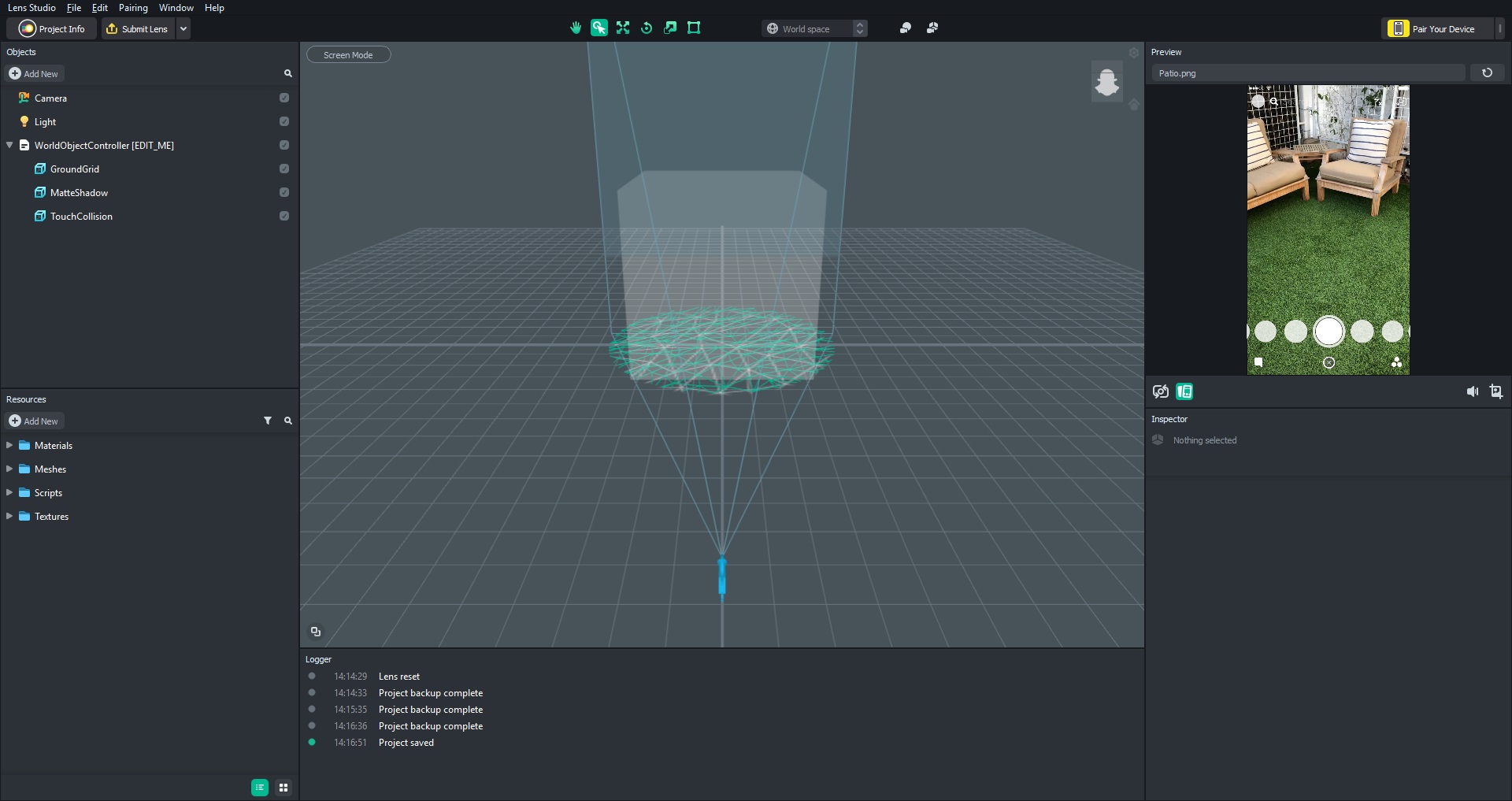
The core utility of the new Spectacles lies in the synergy between the hardware and the updated Lens Studio software. Developers use the software to create AR experiences that are then pushed directly to the glasses. The operating system, Snap OS, manages the spatial mapping of the environment, allowing digital objects to persist in physical space. This capability is intended to move AR from a smartphone-based “window” experience to an immersive, hands-free interface.
Industry analysts have noted that this move aligns with broader trends in the tech sector, where major platforms are increasingly investing in head-mounted displays as the next potential successor to the smartphone. By restricting the current release to developers, Snap Inc. is seeking to build a robust ecosystem of applications before considering a wider commercial rollout. The company has not provided a specific timeline for when a consumer-ready version might reach general retail markets.
Market Context and Industry Competition
Snapchat’s entry into the AR hardware space puts it in direct competition with other major technology firms currently developing spatial computing devices. Companies such as Meta, with its Orion prototype and Ray-Ban smart glasses, and Apple, with the Vision Pro, have established different approaches to wearable AR. According to financial analysis from Bloomberg, Snap’s strategy relies on the high engagement levels of its existing user base and the popularity of its Lenses, which already serve as a foundation for AR content creation.

The focus on developer-first distribution is a common tactic for early-stage hardware, intended to minimize the risks associated with mass production and to ensure that a library of content exists when the product reaches the general public. As of the latest update in September 2024, the primary focus for Snap Inc. remains the refinement of the Snap OS interface and the expansion of developer tools within Lens Studio. Interested creators can monitor the Snap AR developer portal for future updates regarding program availability and hardware support.
The company is expected to provide further performance data and developer case studies at its upcoming partner summits. Readers interested in the evolution of this technology are encouraged to join the conversation on social media or subscribe to the official Snap developer newsletter for real-time notifications on hardware availability.
Related reading