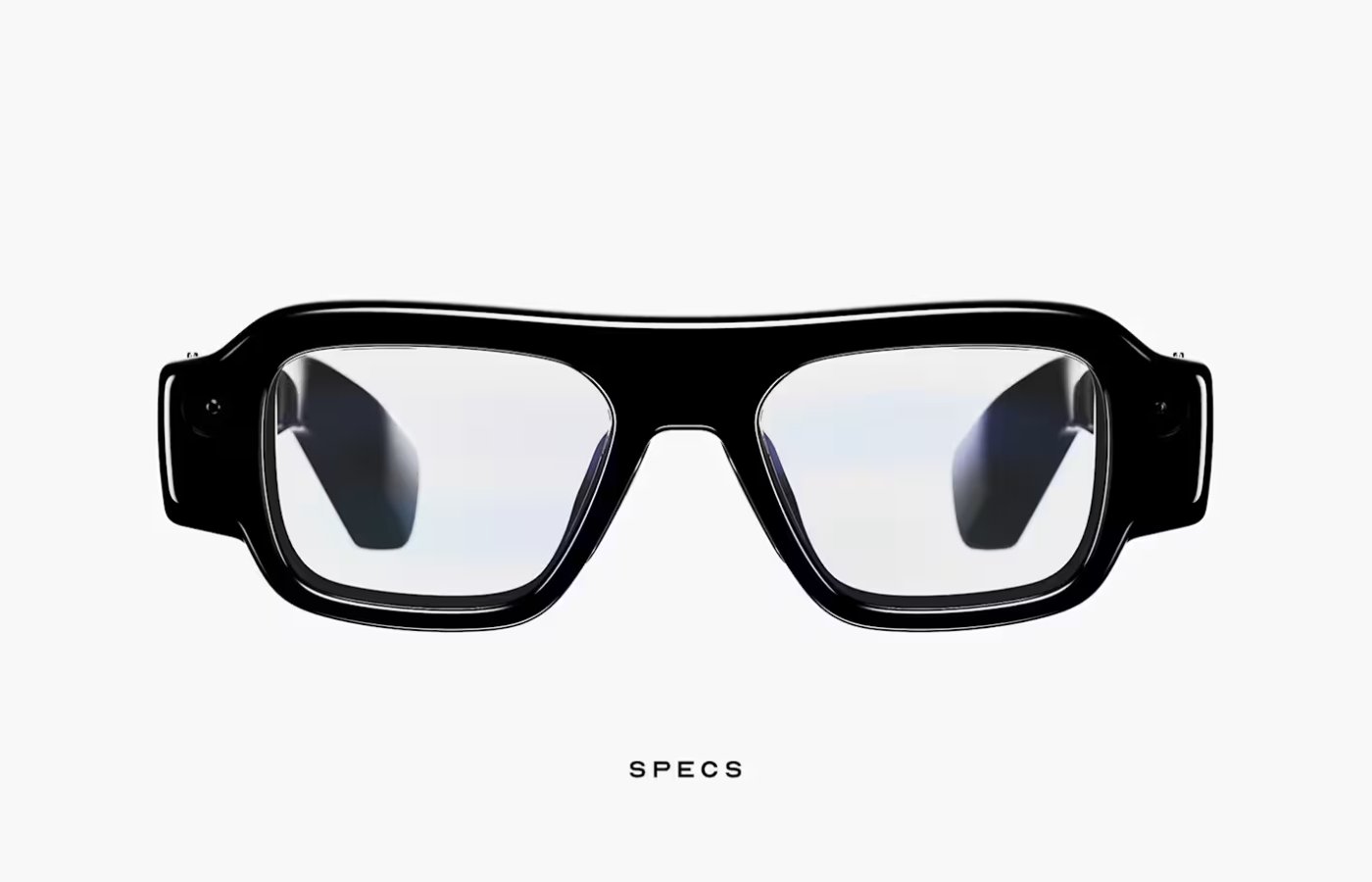
Snap Inc. is reportedly developing high-end augmented reality (AR) glasses with a target price of $2,195 to compete with Apple’s Vision Pro and Meta’s smart glasses. These devices aim to provide full AR displays and AI assistance in a wearable form factor, bridging the gap between consumer smart glasses and heavy spatial computing headsets.
The rumored hardware represents Snap’s attempt to move beyond its current developer-focused Spectacles and into the high-end consumer market. While current smart glasses from companies like Meta focus primarily on audio and camera capabilities, Snap’s reported direction involves integrating visual overlays directly into the user’s field of vision. This strategy places the company in direct competition with Apple’s premium spatial computing ecosystem and Meta’s expanding wearable AI lineup.
How Snap’s AR glasses compare to Apple and Meta
The wearable technology market is currently divided into three distinct categories: spatial computing headsets, smart glasses, and full augmented reality eyewear. Snap’s reported $2,195 device occupies the middle ground between these segments. While Apple’s Vision Pro functions as a high-performance spatial computer, it requires a bulky headset design. Conversely, Meta’s Ray-Ban smart glasses offer a lightweight, fashionable experience but lack a visual display, relying instead on audio and AI-driven camera responses.

Industry analysts suggest that Snap is targeting users who want more visual utility than Meta’s current offerings provide, but who find the Apple Vision Pro too cumbersome for all-day use. By focusing on a glasses-like form factor that includes a functional AR display, Snap aims to capture the segment of the market looking for “ambient computing”—technology that assists the user without requiring them to be completely isolated from their physical surroundings.
The price discrepancy highlights the different technological goals of each company. Apple’s entry-level pricing for the Vision Pro starts at $3,499, targeting professionals and enthusiasts. Meta’s Ray-Ban smart glasses are positioned as a mass-market lifestyle accessory, retailing at approximately $299. Snap’s reported $2,195 price point suggests a premium consumer product that is significantly more expensive than standard smart glasses but more accessible than high-end spatial computers.
| Feature | Apple Vision Pro | Snap AR Glasses (Reported) | Meta Ray-Ban |
|---|---|---|---|
| Primary Function | Spatial Computing | Augmented Reality | AI/Audio/Camera |
| Visual Display | High-Resolution Micro-OLED | Full AR Display | None |
| Estimated Price | $3,499 | ~$2,195 | $299 |
| Form Factor | Headset | Glasses | Standard Frames |
Technical capabilities and AI integration
The core differentiator for Snap’s upcoming hardware is the integration of full AR displays. Unlike “smart glasses” that merely provide a heads-up display for notifications, true AR glasses project digital objects into the real world that appear to interact with the physical environment. This requires sophisticated optical engines and sensors to manage light projection and spatial mapping.
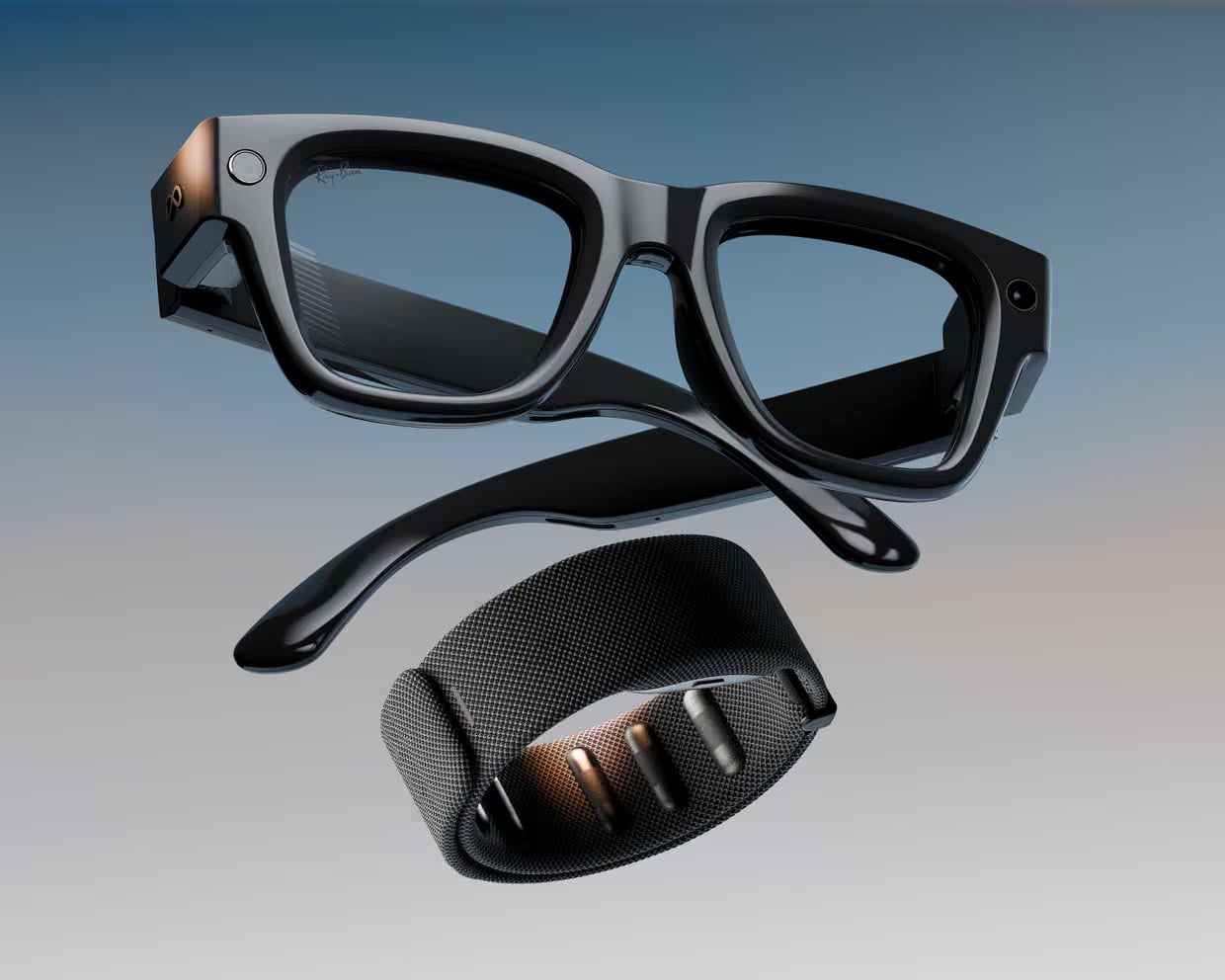
Artificial Intelligence serves as the software backbone for these devices. Snap has already integrated its “My AI” assistant into its core mobile application, and the transition to wearable hardware would allow this AI to become more proactive. Instead of a user typing a query, the AI could use the glasses’ cameras to identify objects, read text in the user’s field of vision, or provide real-time navigation cues through visual overlays.
The technical challenge for Snap involves balancing processing power with battery life and heat management. Running complex AI models and driving an AR display requires significant energy, which is difficult to provide in a lightweight frame. This engineering hurdle is why many competitors, including Meta, have focused on audio-only AI glasses as an intermediate step toward full AR capabilities.
The evolution of Snap’s hardware strategy
Snap’s move into high-end wearables is the result of a decade-long experimentation with augmented reality hardware. The company first entered the market in 2016 with the original Spectacles, which were essentially camera-equipped glasses designed to capture short video clips. These devices were not intended for AR interaction but rather for content creation within the Snapchat ecosystem.
Since then, Snap has released several iterations of developer-focused hardware. In recent years, the company has showcased advanced AR Spectacles that demonstrate high-fidelity digital overlays. These developer kits have allowed software engineers to build apps specifically for the Snap ecosystem, preparing the ground for a consumer launch. The reported $2,195 device would mark the transition from these experimental tools to a polished, retail-ready product aimed at the general public.
Privacy and the challenges of wearable AI
The deployment of glasses equipped with both cameras and AI presents significant privacy concerns. As users move through public spaces, “always-on” cameras can capture the likeness and activities of bystanders without their explicit consent. This has led to increased scrutiny from privacy advocates and regulators globally.
To address these concerns, manufacturers typically implement physical or digital indicators, such as an LED light that signals when a camera is recording. However, the effectiveness of these indicators remains a point of debate. Furthermore, the data processed by wearable AI—including facial recognition data and environmental mapping—raises questions about how much information is stored in the cloud and who has access to it.
Regulatory bodies in the European Union and the United States are increasingly looking at the implications of ambient computing. Laws such as the EU’s AI Act may impose strict requirements on how wearable devices collect and process biometric and environmental data. For Snap, successfully navigating this regulatory landscape will be as critical to the product’s success as the hardware itself.
Frequently Asked Questions
How do Snap’s AR glasses differ from Meta’s smart glasses?
The primary difference is the display. Meta’s current smart glasses focus on audio, AI voice interaction, and photography, but they do not project images into your field of vision. Snap’s reported device includes a full augmented reality display to show digital objects in the real world.
Why is the price point so high?
The $2,195 price reflects the advanced technology required to create an AR display in a lightweight glasses frame. This includes specialized optical components, sensors for spatial mapping, and the processing power needed to run AI and AR software simultaneously.
Will these glasses replace my smartphone?
Most industry experts view AR glasses as a companion to the smartphone rather than a total replacement. While they can handle many tasks like navigation and messaging, the smartphone remains the primary hub for high-intensity computing and cellular connectivity.
Snap has not yet announced an official release date or technical specification sheet for the consumer version of these glasses. Further details are expected to emerge following upcoming developer conferences or official company earnings calls.
What do you think about the move toward high-end AR glasses? Share your thoughts in the comments below and share this article with your network.
Worth a look