
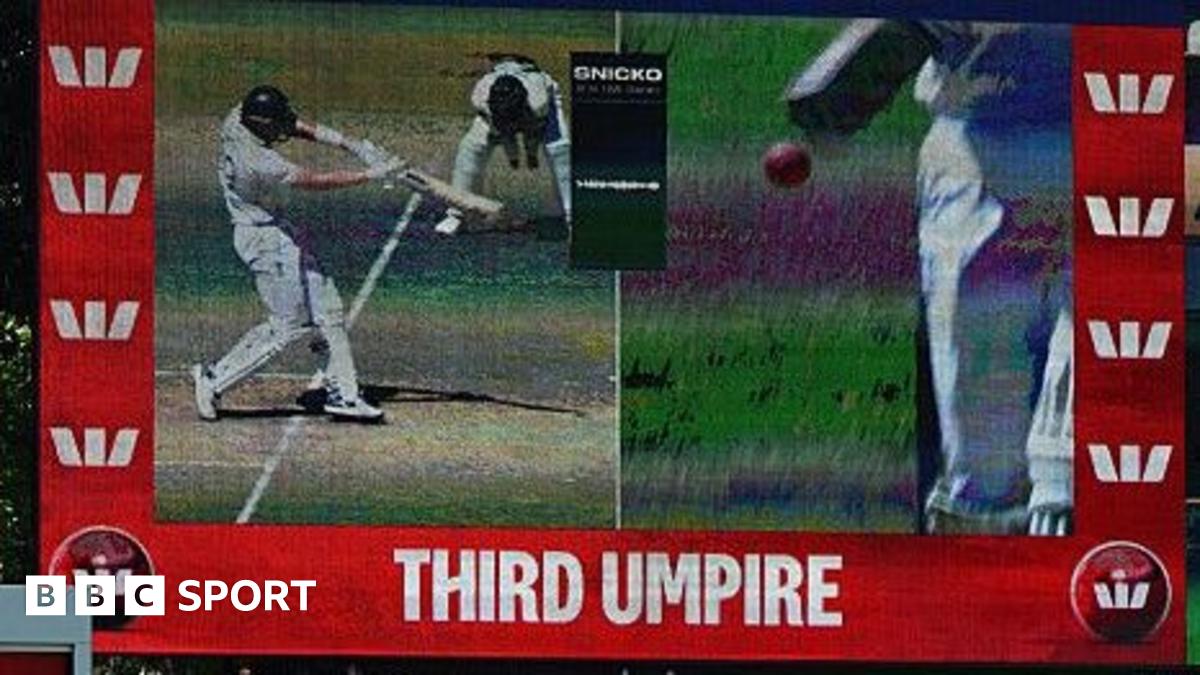
the Snicko Controversy in Cricket: A Deep Dive into DRS Errors and Future Implications
Have you ever questioned a cricket umpire’s decision, only to have technology seemingly confirm it, yet still feel something isn’t right? The recent Ashes series has brought this feeling to the forefront, sparking intense debate around the reliability of Snicko technology within the Decision Review System (DRS). From questionable dismissals to calls for it’s removal, the incidents involving snicko have shaken confidence in one of cricket’s most trusted tools. This article will dissect the controversies, explain the technology, and explore what the future holds for DRS.
Understanding Snicko and its Role in DRS
Snicko, officially known as Real-Time Edge Detection (RTED), is an audio-visual tool used in cricket to detect edges off the bat. developed by BBG Sports, it utilizes highly sensitive stump microphones to pick up the faintest sounds of contact between bat and ball. This audio is then synchronized with ultra-slow-motion video replay,providing umpires with crucial evidence when reviewing on-field decisions. It’s a key component of DRS,alongside ball-tracking technology (Hawk-Eye) and umpire’s call.
however, recent events have highlighted critical flaws. The system isn’t foolproof, and its accuracy hinges on precise calibration and interpretation. Let’s examine the specific incidents that have fueled the current controversy.
The Ashes 2023/24: A Series of Snicko Errors
The 2023/24 Ashes series has been marred by several contentious Snicko decisions. The most prominent involved Australia’s Alex Carey during the third Test in Adelaide. Despite Carey admitting to edging the ball, he was given not out on review because the Snicko technology showed a discrepancy. Investigations revealed the system was using audio from the non-striker’s end stump microphone – a significant error.
This wasn’t an isolated incident. England’s Jamie Smith faced two controversial dismissals, both relying on questionable Snicko spikes. In the second Test in Brisbane, a spike appeared after the ball passed his bat, leading to his dismissal. A similar situation unfolded with Marnus Labuschagne in the first Test, though he was ultimately spared due to a lack of conclusive evidence. These errors prompted audible frustration from Australian fielders, with comments like “Snicko needs to be sacked” being picked up by the stump microphone.
Why Did Snicko Fail? Identifying the Root Causes
BBG Sports has taken responsibility for the Adelaide error, attributing it to a technical malfunction.But the issues run deeper than a single mistake. Several factors contribute to Snicko’s potential for inaccuracy:
* Microphone Placement: As demonstrated in the Carey incident, incorrect microphone placement can drastically alter the audio signal.
* Ambient Noise: Ground noise, crowd chatter, and even the movement of players can interfere with the detection of subtle edges.
* Bat Material: Modern bat designs, particularly those with thicker edges, can sometimes dampen the sound of an edge, making it harder to detect.
* Interpretation: The interpretation of the audio and visual evidence remains subjective, leaving room for human error.
* Latency Issues: Slight delays in synchronization between audio and video can lead to misinterpretations.
The Impact on DRS and Player Trust
These errors have understandably eroded trust in DRS. Players are now openly questioning Snicko’s reliability, leading to calls for increased scrutiny and potential modifications. According to a recent report by Cricinfo (December 2023), player confidence in DRS has dropped by 15% as the start of the Ashes series, directly correlating with the Snicko controversies. This lack of faith can significantly impact the spirit of the game, as players may be less inclined to accept umpire decisions.
what’s Being Done? Addressing the Issues and Potential Solutions
Cricket authorities are actively addressing the concerns. The ICC has launched a full review of the Snicko technology and its implementation. Potential solutions being considered include:
* Enhanced Calibration Protocols: Implementing stricter calibration procedures to ensure accurate microphone placement and signal quality.
* Improved Noise Filtering: Developing more sophisticated algorithms to filter out ambient noise and isolate the sound of edges.
* Autonomous Verification: introducing an independent body to oversee the operation and accuracy of DRS technology.
* Hybrid systems:





