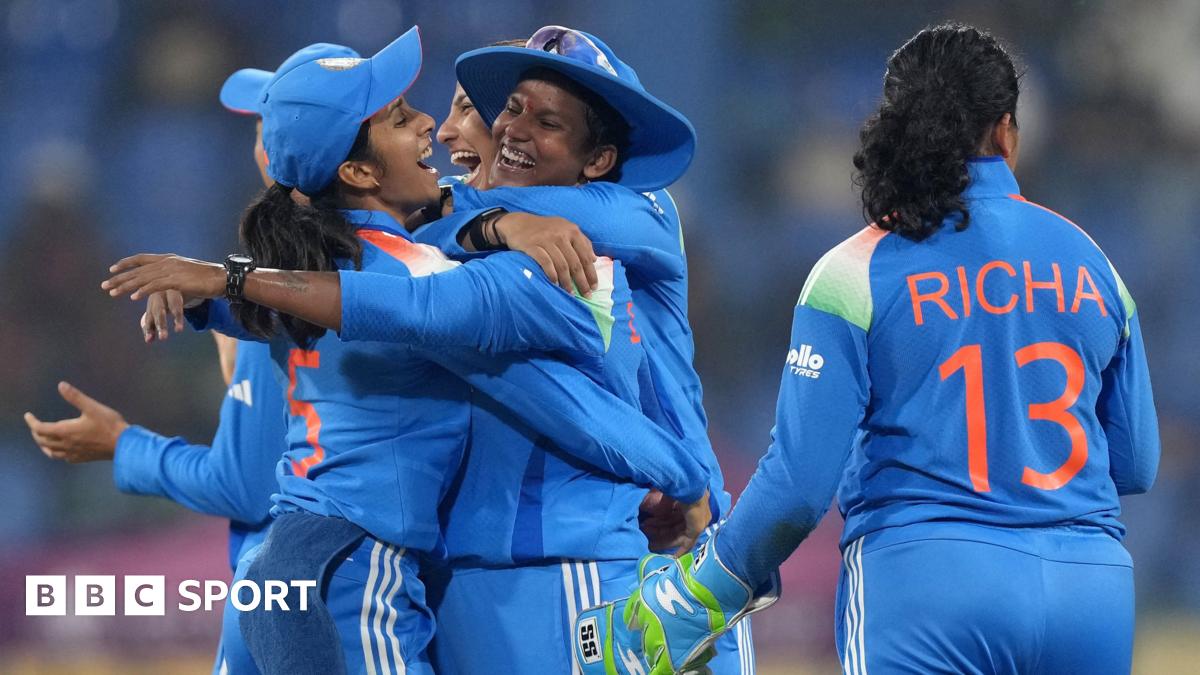
The Controversial Run Out: Decoding the Muneeba Ali Incident in India vs. Pakistan
The recent India versus Pakistan women’s cricket match wasn’t just a display of athletic prowess; it was also a masterclass in the complexities of cricket’s rules and the scrutiny of modern umpiring. A pivotal moment,the run out of Pakistan opener Muneeba Ali,sparked intense debate and highlighted the evolving interpretations of the game’s laws. This incident, occurring early in Pakistan’s innings, wasn’t a simple dismissal – it was a confluence of missed opportunities, technological intervention, and ultimately, a controversial decision. Understanding the nuances of this event requires a deep dive into the rules surrounding run outs, the role of the third umpire, and the potential impact of strategic reviews.This article will dissect the incident, providing a thorough analysis for cricket enthusiasts and casual viewers alike.
Understanding the Run Out Rule: A Foundation for Controversy
At its core, a run out occurs when a batter is out of their crease and the stumps are broken with the ball in hand by a fielder. Though, the devil is in the details. The key elements are:
* Batter’s Grounding: A batter is considered ‘grounded’ when any part of their bat or body is touching the ground within the crease.
* Ball Release: The act of dislodging the bails must occur after the batter is out of their crease.
* The Umpire’s View: The on-field umpire’s initial decision is crucial, but subject to review by the third umpire.
The muneeba Ali Incident: A Step-by-Step Breakdown
The incident unfolded as follows: Muneeba Ali was struck on the pads by Indian bowler Renuka Singh Goud, prompting an unsuccessful LBW appeal. As the appeal faded, Deepti Sharma swiftly collected the ball and executed a direct hit on the stumps. Initially, replays suggested Muneeba had grounded her bat before the ball made contact, seemingly securing her stay. The on-field umpire signaled ‘not out,’ and the big screen confirmed the decision.
However, the drama didn’t end there. A second review, initiated by the third umpire Kerrin Klaaste, revealed a crucial detail: while Muneeba had grounded her bat, she momentarily lifted it after the ball hit the stumps, leaving her out of her crease at the moment of impact. This lead to a reversal of the original decision, declaring Muneeba out.
The Missed Possibility: Why an LBW Review Could Have Changed Everything
A captivating aspect of this incident is the potential for it to have been avoided altogether. Had India opted to review the initial LBW appeal, ball-tracking technology would have revealed Muneeba was, in fact, plumb LBW. This would have bypassed the run-out controversy entirely. This highlights the strategic importance of reviews in modern cricket – a single review can alter the course of a match. The decision not to review the LBW appeal is now a point of discussion among cricket analysts.
The Role of the Third Umpire and Technological Intervention
The third umpire plays a vital role in ensuring fair play, utilizing technology like slow-motion replays, Hawk-Eye, and Snickometer to assist in crucial decisions. In the Muneeba Ali case, the third umpire’s meticulous review was instrumental in uncovering the subtle detail that changed the outcome. However, the incident also raises questions about the timing of reviews and the potential for over-analysis. Is there a point where excessive scrutiny detracts from the flow of the game?
- MLB trade deadline tracker: Following every move of the 2026 deadline
- Sport – Anthony Joshuát kétszer leütötte egy albán minden idők legbizarrabb bokszmeccsén – Index.hu
- Kokoro Nakazawa’s Stunning Goal: Japan vs. Czechia | World Lacrosse Women’s Championship (archyde.com)
- India Faces Steep Medal Decline at Glasgow 2026 Commonwealth Games (archyworldys.com)