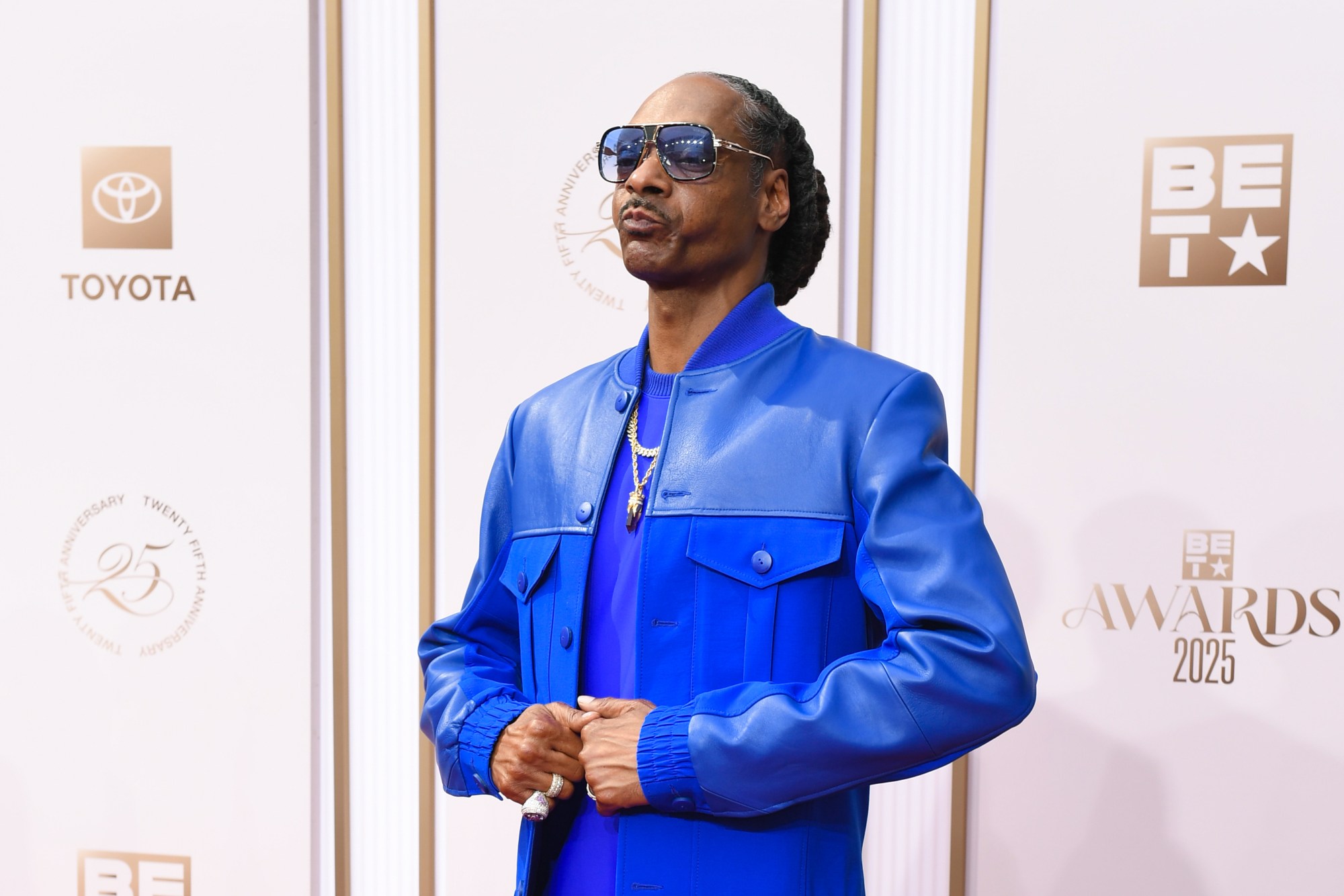
A limited liability company associated with rapper and entrepreneur Snoop Dogg has formally requested that a Los Angeles court dismiss it from a wrongful death lawsuit regarding the 2021 death of Darrell Caldwell, professionally known as Drakeo the Ruler. The motion for summary judgment, filed in the ongoing legal proceedings, seeks to remove the entity from the case, asserting that it bears no legal responsibility for the events that transpired during the “Once Upon a Time in L.A.” music festival.
The legal challenge centers on the tragic stabbing of Caldwell, which occurred on December 18, 2021, at the festival held at Exposition Park in Los Angeles. The incident, which led to the cancellation of the event, has since prompted significant litigation regarding security protocols and the liability of various stakeholders involved in the production of large-scale public performances. According to records of the Superior Court of California, County of Los Angeles, the litigation continues to examine the duties of care owed by organizers and venue operators.
Arguments for Dismissal and Operational Scope
In its recent motion, the legal team representing the company associated with Snoop Dogg contends that the entity maintained no operational control over the “Once Upon a Time in L.A.” festival. The filing emphasizes that the company was not a signatory to any leasing or licensing agreements concerning the use of Exposition Park. The defense argues that Snoop Dogg’s role at the festival was strictly limited to his scheduled performance on stage, precluding him or his company from having any oversight regarding production, site logistics, or the implementation of security measures.
The court filing asserts that representatives of the company were neither present for the specific incidents leading to Caldwell’s death nor were they aware of the chain of events as they unfolded. The declaration further maintains that the entity had no involvement in the recruitment or management of security personnel, nor did it engage in communication with any individuals identified as being involved in the altercation. This argument seeks to establish a lack of proximate cause or duty, which are essential elements in the wrongful death complaint filed by the decedent’s family.
Context of the Broader Litigation
The wrongful death lawsuit, initiated in 2022 by the brother of the late rapper, alleges that the festival organizers failed to provide adequate security, thereby creating an environment that allowed for the fatal attack. The complaint names several high-profile entities, including Live Nation and the Los Angeles Football Club (LAFC), which operates the BMO Stadium (formerly Banc of California Stadium) where portions of the event were staged. The core of the plaintiffs’ argument rests on the assertion that the security planning was insufficient given the nature of the event and the potential for crowd-related risks.

Recent developments in the case have seen the court evaluate the specific liabilities of these stakeholders. Earlier this month, a judge granted a motion for summary judgment in favor of LAFC, effectively dismissing the club from the lawsuit. This ruling serves as a significant milestone in the complex litigation, signaling that the court is actively scrutinizing the contractual and operational boundaries of each defendant named in the complaint. The determination of whether other entities, including those linked to the performers, share in this liability remains the subject of ongoing judicial review.
Understanding the Legal Landscape
For observers of the music and entertainment industry, this case highlights the intricate web of responsibilities that define large-scale event production. When a festival involves multiple stakeholders—ranging from venue operators and promoters to independent contractors and performers—the legal determination of “who is responsible” for safety often hinges on the specific language of contracts and the degree of control exercised on the ground.

Key takeaways from the current state of the case include:
- Operational Control: The defense is focusing on the lack of contractual ties to the venue and the absence of authority over security logistics.
- Scope of Work: The distinction between a “performer” and an “event organizer” is a critical factor in determining liability in public safety litigation.
- Judicial Precedent: The recent dismissal of the Los Angeles Football Club provides a reference point for how the court may view the liability of other entities with limited operational roles.
As the legal process moves forward, the court will continue to weigh the arguments presented by the plaintiffs against the evidence submitted by the various defendants. The complexity of the case, involving multiple corporate entities and intricate security arrangements, ensures that proceedings will likely remain focused on the specific duties assigned to each party under their respective agreements.
Next Steps in the Judicial Process
The legal teams involved are currently awaiting further scheduling from the Superior Court regarding upcoming motions and potential trial dates. As the court continues to parse the evidentiary record, public interest remains high regarding the accountability of event organizers in the wake of such tragedies. Any future updates regarding the motion for summary judgment or subsequent filings will be managed through the official Los Angeles Superior Court case portal, where the public can monitor the docket for the latest procedural developments.
We will continue to monitor these court filings closely as the litigation evolves. Readers are encouraged to share their thoughts on the balance between artist performance and event safety in the comments below.
Related reading