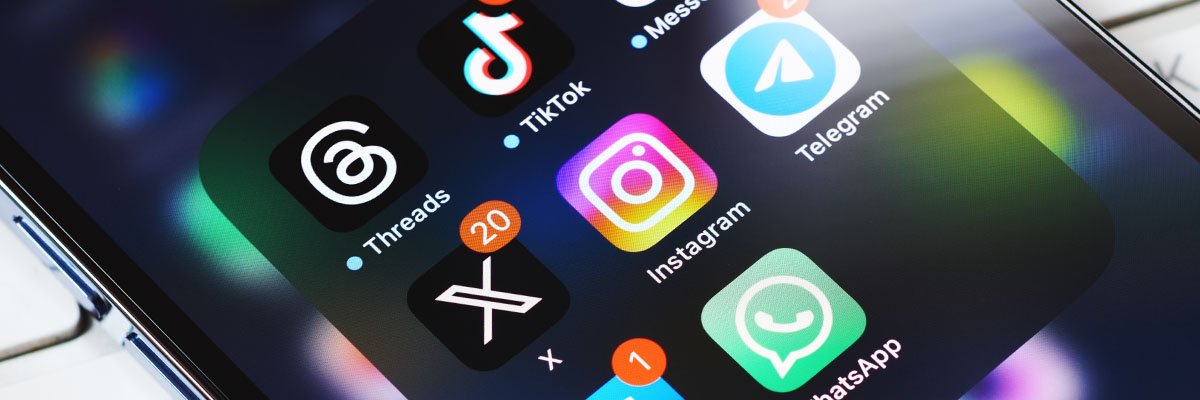
As the digital landscape evolves, the conversation surrounding social media addiction by design has shifted from a concern focused primarily on minors to a critical workplace challenge. While global regulators increasingly scrutinize the algorithmic mechanisms that keep younger users tethered to platforms, the professional sector is grappling with a parallel reality: how to foster a productive, healthy environment when the tools of business are often the same ones engineered for compulsive engagement.
The ubiquity of constant connectivity has blurred the lines between essential communication and digital distraction. For employers, the challenge is not merely about blocking websites or monitoring screen time; it is about recognizing that “addiction by design”—a term often used to describe the psychological triggers embedded in notification systems, infinite scrolls and variable reward loops—can significantly impact employee focus, mental well-being, and long-term retention. As we navigate this transition, organizations are finding that the solution requires a fundamental rethink of digital hygiene in the corporate sphere.
The Mechanics of Digital Distraction in the Workplace
Technology is designed to capture attention, and in the modern office, this often works against the goals of deep, focused work. According to the Federal Trade Commission, the business models of many digital platforms rely on maximizing user engagement, often employing features that are intentionally tough to disengage from. When these platforms are integrated into professional workflows—or are simply accessible on company-issued devices—the potential for constant task-switching increases, leading to a phenomenon often described by productivity researchers as “attention residue.”
This is not a matter of personal willpower; it is a structural issue. When software is engineered to trigger dopamine responses through persistent alerts, the burden of managing that distraction falls unfairly on the individual. Employers who ignore this dynamic risk fostering a culture of burnout, where the “always-on” expectation is fueled by the very design of the tools employees are required to use. Addressing this requires an acknowledgment that digital well-being is now a core component of occupational health and safety.
Establishing Boundaries for Professional Digital Health
How can leadership teams balance the necessity of modern communication tools with the need for employee well-being? The most successful strategies appear to be those that emphasize autonomy rather than surveillance. By establishing “digital-first” policies that prioritize asynchronous communication, companies can reduce the pressure to respond instantly to notifications that may not be urgent.

Institutional policies are beginning to reflect this shift. For instance, the U.S. Department of Labor has long emphasized the importance of workplace safety, which, in the modern era, must extend to the cognitive demands placed on workers by the technology they utilize. Forward-thinking companies are now implementing “no-meeting” days or designated blocks for deep work, effectively creating systemic “off-ramps” from the constant stream of digital notifications. These initiatives help shift the organizational culture from one of constant responsiveness to one of intentional output.
Moving Toward a Sustainable Digital Future
The path forward involves more than just policy; it requires a cultural shift in how we perceive technology in the workplace. Leaders must model the behavior they wish to see. If managers are sending non-urgent messages at all hours, they reinforce the very design flaws that contribute to digital fatigue. By setting clear expectations regarding availability and encouraging the use of “Do Not Disturb” functions during deep-work sessions, employers can mitigate the negative effects of addictive design patterns.
providing employees with the resources to understand their own digital habits can be an effective preventative measure. This might include training on how to configure platform notifications, understanding the psychological impact of infinite scrolls, and encouraging regular breaks that are entirely free from digital devices. The goal is to reclaim agency over our attention, ensuring that technology serves as a tool for innovation rather than a drain on cognitive resources.
Key Takeaways for Organizational Leaders
- Prioritize Asynchronous Communication: Encourage teams to use platforms that allow for thoughtful, scheduled responses rather than demanding immediate engagement.
- Model Digital Boundaries: Leadership should clearly communicate that off-hours responsiveness is not an expected standard of performance.
- Implement “Deep Work” Windows: Create organizational norms that protect specific hours of the day from all internal and external notifications.
- Focus on Outcomes, Not Presence: Evaluate employee performance based on high-quality output rather than the speed at which they respond to digital pings.
As the conversation continues to evolve, People can expect further guidance from regulatory bodies regarding the transparency of algorithmic design. The next scheduled policy discussions regarding platform transparency and user safety are expected to take place in late 2026, as international committees continue their review of digital consumer protections. We will provide updates on these developments as they occur. How is your organization managing the balance between digital connectivity and employee focus? Share your thoughts in the comments below.
