
The global debate over social media age restrictions has reached a critical juncture in Belgium, exposing a deep ideological rift between government administrations and children’s rights advocates. Although some policymakers argue for strict age limits to shield minors from online harms, others warn that blanket bans may infringe upon fundamental human rights and push vulnerable youth into less regulated, more dangerous corners of the internet.
At the heart of this tension is the struggle to balance the duty of care with the right to digital autonomy. In the Fédération Wallonie-Bruxelles, the conversation has shifted from whether to regulate to how to protect children within the digital ecosystem, rather than simply excluding them from it. This approach emphasizes the responsibility of tech giants over the restriction of the user.
The friction is most evident when comparing the strategies of different regional governments. Reports indicate that the Flemish government has moved to establish a minimum age of 13 for social media employ, a move that has sparked intense political disagreement. Critics of such mandates argue that restrictive systems can be counterproductive, potentially creating a “dangerous system” by isolating youth from supervised digital literacy and the support networks they find online.
The Rights-Based Approach to Digital Safety
Solayman Laqdim, the General Delegate for Children’s Rights in the Fédération Wallonie-Bruxelles, has emerged as a prominent voice against simplistic bans. Serving a six-year term as the defender of the rights of children and youth up to the age of 18, Laqdim advocates for a framework rooted in international law Solayman Laqdim – Délégué général aux droits de l’enfant.
Laqdim points to the Convention on the Rights of the Child as the essential guiding document for modern digital policy. He argues that the internet is not merely a source of risk but a vital tool for exercising fundamental rights. According to Laqdim, the digital sphere enables the right to participate, the right to express oneself, and the right to be informed Protéger les ados DANS le numérique.
Rather than implementing social media age restrictions that act as walls, Laqdim suggests that the goal should be to “grab what is positive in the digital world and denounce what poses a problem.” This philosophy suggests that the solution to online danger is not the removal of the child from the platform, but the removal of the danger from the platform.
Platform Responsibility and ‘Secure by Design’
A central pillar of the current debate is the shift of accountability from the parent and the child to the service provider. Laqdim asserts that social media platforms possess the financial and human resources necessary to ensure their environments are safe for minors. The argument is that safety should not be an optional setting or a parental burden, but a fundamental requirement of the software’s architecture.
The concept of “secure by design” implies that platforms should be engineered from the ground up with the safety of children as a primary consideration. This includes:
- Enhanced Filtering: Implementing more robust and intelligent filtering systems to prevent exposure to harmful content.
- Safe Spaces: Organizing digital environments that are specifically thought through for the developmental needs of children.
- Proactive Moderation: Utilizing the significant financial means of tech companies to employ more effective human and AI moderation.
By demanding that platforms take full responsibility for the health of their digital spaces, advocates hope to move away from “alarmist” political slogans and toward tangible, technical solutions that protect users without stripping them of their agency Protéger les ados DANS le numérique.
Health Alerts and the 2024-2025 Activity Report
The urgency of this debate was highlighted on February 11, 2026, when Solayman Laqdim presented his activity report for the 2024-2025 period before the parliament of the Fédération Wallonie-Bruxelles L’alerte de Solayman Laqdim.
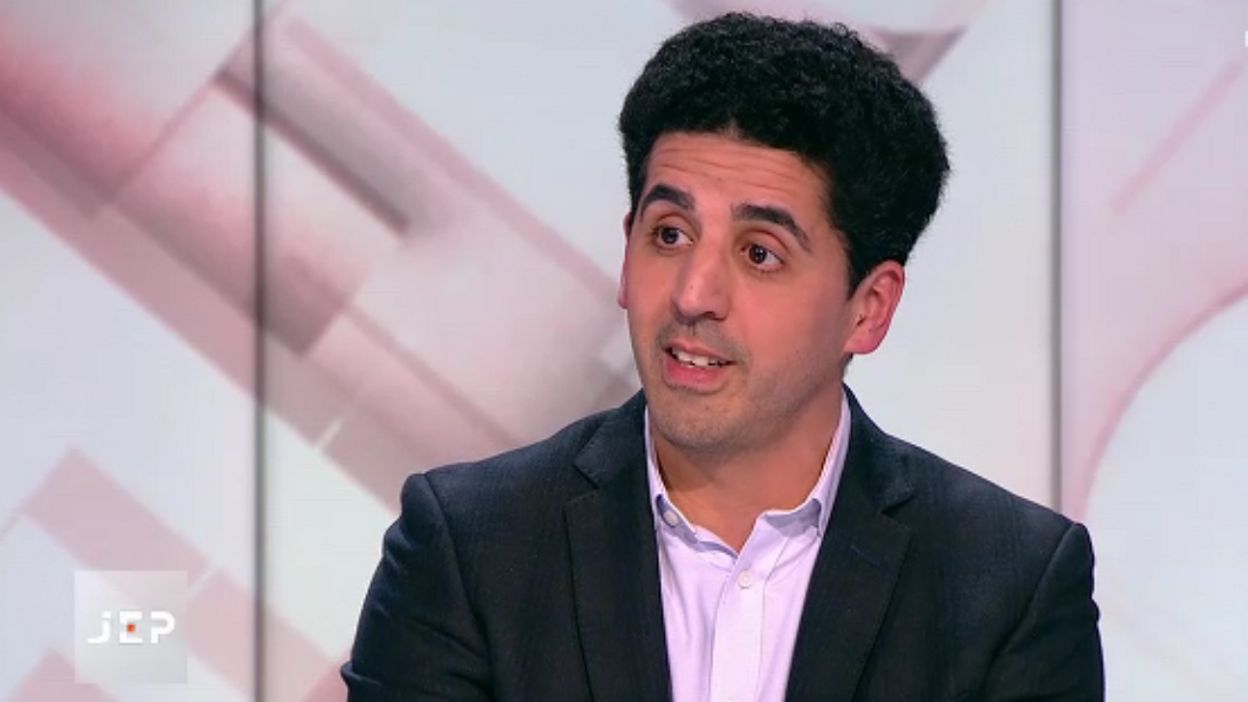
During this session, the General Delegate issued a stark warning centered on the theme of “prevention, prevention, prevention.” While the digital rights debate continues, Laqdim’s primary alert to deputies focused on the broader health of children and youth. This intersection of mental health and digital consumption underscores why a nuanced approach is required; a ban may stop a child from using a specific app, but it does not address the underlying health vulnerabilities or provide the tools needed to navigate a digital world that exists regardless of official restrictions.
Key Perspectives on Digital Regulation
| Approach | Primary Mechanism | Core Philosophy | Potential Risk |
|---|---|---|---|
| Restrictive | Age limits/Bans | Protection through exclusion | Loss of rights; unregulated use |
| Integrative | Secure by Design | Protection through architecture | Reliance on corporate compliance |
| Rights-Based | Digital Literacy | Empowerment through education | Slower implementation of safety |
The Political Divide: Flanders vs. Wallonia-Brussels
The divergence in approach between the Flemish government and the advocates in Wallonia-Brussels reflects a wider European struggle. The reported Flemish push for a 13-year-old minimum age is seen by some as a necessary safeguard against the predatory nature of algorithms and the mental health crisis affecting adolescents. However, others view this as a “Big Brother” approach to governance—one that prioritizes surveillance and control over education and empowerment.
The conflict is not merely about a number—whether it be 13 or 16—but about the role of the state in the private lives of families. Those opposing strict mandates argue that the government should support parents in guiding their children through the digital world rather than imposing a one-size-fits-all legal barrier that is often easily bypassed by tech-savvy minors.
This political division highlights a critical question for the future of global internet governance: Should the internet be treated as a public utility with universal access rights, or as a high-risk environment that requires strict age-gating? For advocates like Laqdim, the answer lies in the Convention on the Rights of the Child, which suggests that the digital world is an extension of the physical world, and children’s rights must be upheld in both.
As the debate evolves, the focus is expected to remain on the implementation of the findings from the 2024-2025 activity report and the subsequent legislative responses within the Fédération Wallonie-Bruxelles. The next critical checkpoint will be the parliamentary review of the prevention strategies proposed by the General Delegate to address the health alerts issued in February.
We wish to hear from you. Should governments set hard age limits for social media, or is the responsibility solely on the platforms to create safer environments? Share your thoughts in the comments below.